
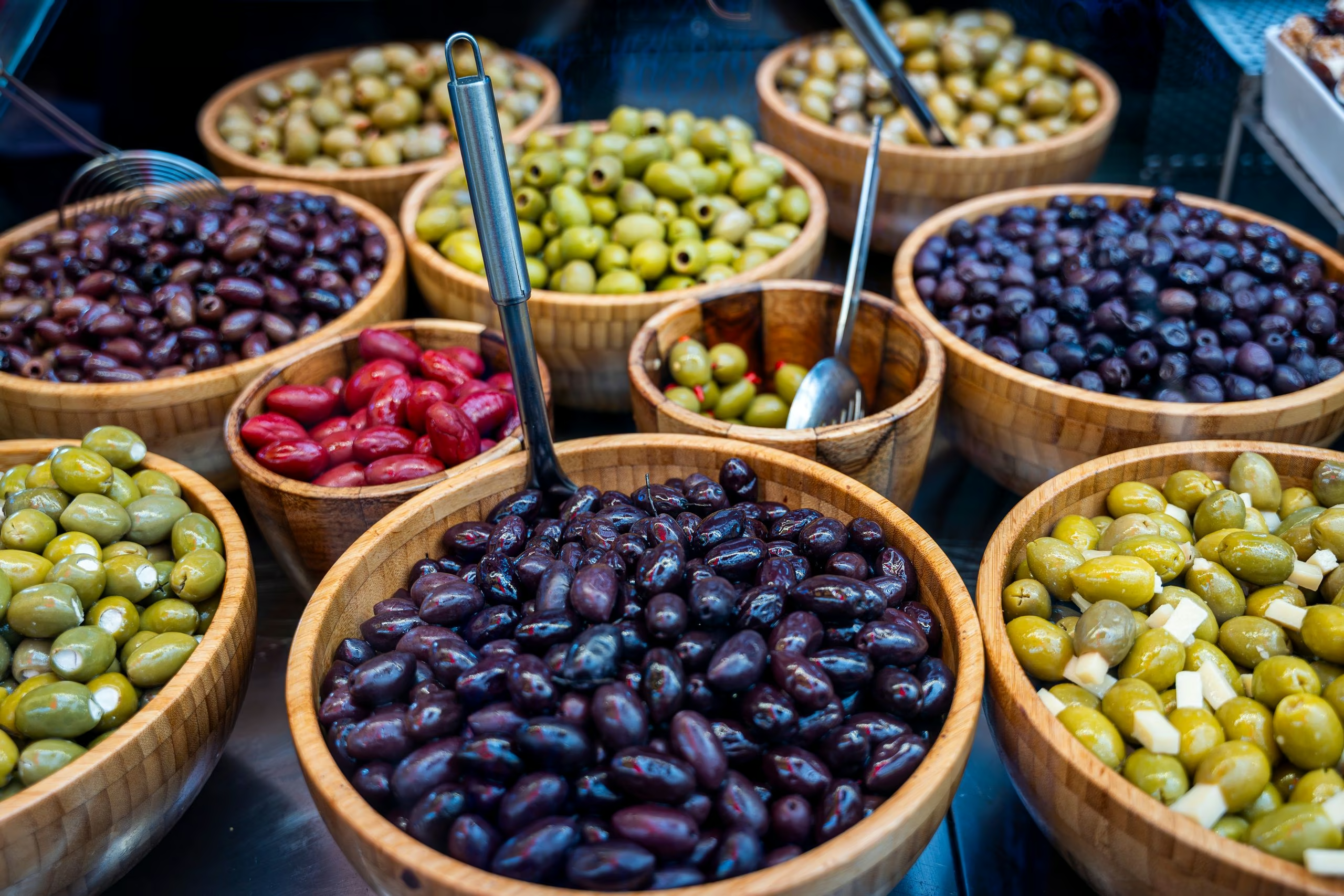
How to Ferment Olives at Home: A Simple Brine Method for Flavorful, Crisp Results
Key Points
- Fermenting olives reduces bitterness and develops complex flavors as microbes convert oleuropein into gentler compounds, especially when combined with aromatics like garlic and herbs. Start with fresh, crisp olives and choose types based on your desired texture, saltiness, and curing time.
- Brine strength, temperature, and cleanliness support safe, reliable fermentation by feeding lactic acid bacteria like Lactobacillus plantarum. Use a 3 to 10 percent salt brine, keep the olives submerged, and ferment in a cool space at 16 to 24 degrees Celsius for consistent results.
- Fermentation enhances health benefits by increasing probiotics, polyphenols, and vitamin E, while preserving heart-healthy fats. Taste frequently to balance flavor with health, and stop fermentation once bitterness disappears and the texture is satisfyingly firm.
- Choice of method defines results. Brine, water, and dry-salt curing each provide different salt levels, textures, and pace. Match olive size to cure times, pack like sizes together, and tweak times as small olives ferment and cure much faster and taste more intense.
- Monitoring keeps quality in check by checking brine clearness, smell, bubbles, and texture, and vigorously scraping off any surface yeast or mold as soon as it appears. Keep a simple record of temperature, brine ratio, and tasting notes to dial in future batches and replicate successes.
- Troubleshooting is easy. If the brine turns slimy, increase salt, toss soft or spoiled fruit, and re-sterilize equipment to reset the microbial balance. When in doubt, refresh the brine, re-immerse, and add time at consistent temperatures for recuperation.
Fermenting olives means curing fresh olives in brine in such a way that lactic acid bacteria drop the pH and debitter the fruit. Basic home setups utilize 5 to 10 percent salt brine, clean jars, and airlocks to vent CO2. Safe batches monitor pH below 4.6, maintain consistent salinity, and avoid mold.
Green olives ferment more quickly than their ripe black counterparts. To pick a method — lye cure, water cure, or natural brine — ferment olives by flavor, time, and attention requirements.
Next, concrete actions, benchmarks, and debugging advice.

- 【Secure Leak-Proof Design】When the lid is closed properly, the silicone seal creates a tight barrier to prevent leaks and spills. No more messy accidents in the fridge or pantry.
- 【Convenient Dual-Opening Functionality】Grab pickles easily from the top without pouring out brine. Perfect for kids and adults who love pickles, making daily use simple and clean.
- 【Premium Glass for Safe Food Storage】High-quality glass feels clean and durable, with no unwanted tastes or odors. Great for both homemade and store-bought pickled foods.
- 【Large Capacity – Please Verify Dimensions】Ideal for storing bulk quantities of pickles, but please measure your shelf space first – this jar is taller and larger than standard sizes.
- 【Versatile Kitchen Storage Helper】Not just for pickles! Use it for olives, peppers, or other brined foods. The clear glass lets you see what’s inside at a glance.

Last update on 2026-10-31 / Affiliate links / Images from Amazon Product Advertising API
Why Ferment Olives?
Fermentation transforms raw, bitter olives into safer, more flavorful, and more convenient olives. Microbes degrade bitter compounds, increase acidity, and develop flavor profiles in layers while the fruit sits in a brine recipe for months with no artificial chemicals.
Flavor Transformation
Raw olives are loaded with oleuropein, which creates intense bitterness. In brine, lactic acid bacteria hydrolyze and leach oleuropein, so the bitter compound content decreases, and the fruit tastes mild.
This same transformation mellows astringency and conjures round, savory aromas.
Adding aromatics to the jar changes the flavor profile. Garlic, lemon peel, bay, thyme, or chilies infuse volatile oils that bind with olive fat, so flavor travels beyond mere salt and acid.
The sea salt brine maintains steady diffusion, helping the seasoning even out.
Texture and salt level vary by cure. Lye-cured fruit is firmer and faster but simpler. Natural brine cures result in slower acid development and more complete complexity.
Whole green olives hold a snap. Cracked or slit olives soften faster and taste saltier.
Time matters: a few months gives bright, grassy tones. Over a year can verge on nutty, umami, and subtle cocoa in certain black ones. Bada bing, bada boom – once it’s ready, fermented olives just fit the plate.
Stir them into grain salads, stuff them in flatbreads, or serve them alongside fresh cheese and veggies on a mini board. Their salt-acid equilibrium makes easy dishes pop without extra effort.
Health Benefits
Live brine often contains L. plantarum and L. Pentosus, which love the 5 to 8 percent salt brines impart, reducing pH and nourishing gut-friendly microbiomes. Some producers pasteurize, which reduces live counts. Raw-style brines may preserve them if stored cold.
Fermented olives are carriers of polyphenols and vitamin E. As oleuropein declines, antioxidant capacity can dip in some lots. However, other phenolics remain, and bioavailability may improve due to enzymatic change.
Olives provide oleic acid, a monounsaturated fat associated with cardiometabolic support when used as a substitute for saturated fat. They add fiber that slows digestion and aids satiety.
With low carbs and modest calories, fermented olives fit into vegan, Mediterranean, and most low-carb plans. A small handful (25 to 30 grams) makes a neat snack.
The Connection
Fermented table olives represent a unique intersection of an ancient craft and a contemporary functional food. The process of sea-salt brine, controlled oxygen, and slow time preserves them naturally, which some prefer over direct pickling.
They form the foundation of the Mediterranean diet, where frequent consumption of olives and olive oil is linked to healthier cardiac markers and more varied diets. It refines taste and transforms nutrients.
Microbes transform phenolics and acids. Salt and time adjust texture and shelf stability.
The microbe–polyphenol synergy is the engine. Bacteria modulate bitterness and pH, while olive compounds steer which strains thrive. Longer ferments, even years, can provide deeper profiles and stable storage.
Choosing Your Olives
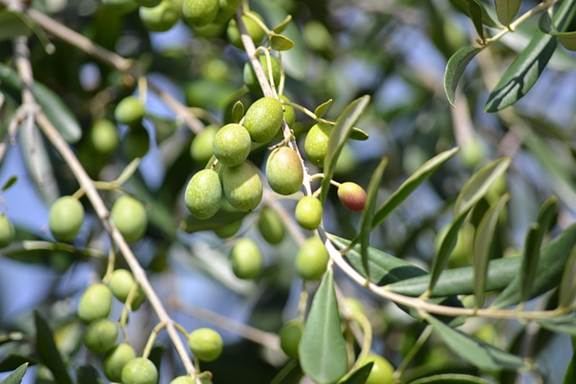
Smart decisions ahead of time determine how your ferment moves, tastes, and feels.
Selecting your fresh olives—variety, freshness, and size—guides the olive curing process, while reliable sources minimize risk and loss.
Olive Varieties
With more than 1,000 olive varieties around the world, they act differently in a ferment. Kalamata brings bold, briny depth and stands up in cooked meals.
Manzanilla comes out classic and balanced, with a clean pit cavity if you intend to stuff.
Sevillano is enormous, meaty, and mild when young but can have a distinct, somewhat fruity flavor. Cerignola is very large, sweet-leaning, and showy, and is wonderful for whole-fruit jars.
Castelvetrano is crisp with a mild, buttery finish and is adored for quick brines.
Picholine is firm, with a delicately tart, briny profile, and stays snappy. Match method to the fruit. Brine cures suit most types and protect texture over long ferments. Water cures can strip bitterness faster but risk softness in thin-skinned olives.
Dry salt cures fit small, oil-rich, fully ripe fruit, yielding dense, wrinkled olives with concentrated flavor. The brine itself shapes taste and shelf life.
Higher salinity slows fermentation but improves safety, while a small vinegar addition can sharpen acidity and extend shelf life.
- Kalamata: 4–8 weeks brine; bold, winey, saline
- Manzanilla: 3–6 weeks brine; balanced, lightly nutty
- Sevillano: 6–10 weeks brine; mild, fleshy, fruity
- Cerignola: 6–10 weeks brine; sweet-lean, firm, buttery
- Castelvetrano: 2–4 weeks brine; mild, crisp, buttery
- Picholine: 3–6 weeks brine; firm, tart-briny
Green versus black indicates ripeness, not a different type of olive. Green, which is unripe, runs firmer, brighter, and more bitter. Black, which is ripe, tends to be softer, richer, and fruitier.
For curing, shoot for the ‘milk stage’ when cut flesh displays a milky sap. Bitterness is at its peak, but texture is perfect.

- SAFE FOR FERMENTATION: FastRack 6.5 gallon beer fermenter made from food grade HDPE with a 6.5 Gallon Capacity 100% BPA free; Comes complete with drilled lid grommet for an airlock.
- HEAVY DUTY PLASTIC: This heavy-duty plastic fermenting bucket is our standard fermenting bucket that comes in most of our kits; This is a low cost quality food grade beer fermenter for your beer; wine; mead; cider or any other fermented beverage
- LIGHTWEIGHT & EASY TO HANDLE: Lightweight and easy to carry; the FastRack Plastic fermenting bucket is much easier to get rid of sediment from the bottom; Just open the lid to pull your hydrometer samples
- SATISFACTION GUARANTEE: At FastRack we pride ourselves on creating products that can be trusted by our customers; Buyer satisfaction is our top priority; maybe sometimes accidents happen during shipping
Last update on 2026-10-31 / Affiliate links / Images from Amazon Product Advertising API
Freshness Check
Check before you purchase or harvest. Fruit should be firm with tight, unbruised skin and bright, even color. Avoid bruised, marred, or overripe olives.
Bruised olives attract mushiness, surface yeasts, and aromatics that diffuse into the jar. Rinse in cool water to remove dust, leaves, and any field microbes. Drain well.
Spare free water can water down your intended salinity. Whenever you can, use freshly harvested fruit for texture and nutrients. Buy from a trusted grower or a local market that moves their products quickly.
Size Matters
Select by size for a uniform cure. Mixed sizes ferment at varying speeds, leading to soft spots or overly bitter holdouts in the same batch. Time it right.
Small olives tend to cure up faster and taste more concentrated. Giant olives require extended brines to quite literally get all the way to the pit without getting mushy.
Try to pack like sizes together in each jar so the entire batch reaches readiness at the same time.
The Fermentation Process
A snapshot of a carefully managed, slow transformation that makes fresh olives into safe, tangy olives. Use the curing process to work clean, keep oxygen out, and measure salt, time, and temperature for flavorful olive results.
1. Preparation
Discard soft, pierced, or moldy fruit. Rinse the others in cool water to remove field dust. Score large green olives along two sides. Small black olives crack well with a solid tap. Either step accelerates brine flow and de-bittering.
Place glass jars, lids, and any weights in boiling water for 10 minutes to sterilize. Use non-reactive containers: glass or food-grade plastic only.
Collect sea salt, purified water, optional 5% vinegar, and flavor agents such as garlic, lemon, bay, chilies, and hearty herbs.
2. De-bittering
Fresh water soak: Cover olives with water and change daily for 3 to 10 days for ripe fruit, and often 10 to 14 days for firm green cultivars. Lye (0.5 to 2% NaOH) works faster but must be rinsed until the pH approaches neutral. A gentle 5-8% salt soak is slower but easy.
Taste one every day. Observe for a less sharp sting as oleuropein subsides. Expect some browning and a slight drop in antioxidant capacity as phenolics decrease. Record time by varietal.
Simple de-bittering log (typical ranges):
- Manzanilla (green): 10–14 days water changes
- Kalamata (ripe): 3–7 days water changes
- Sevillano (green, large): 14–21 days water changes
3. Brining
Use a 3-10 percent salt brine. A handy rule of thumb is 1/4 cup salt per 1 quart, about 60 grams per 0.95 liters, or about 6 percent weight/volume. Use more salt for big, hard green olives and less salt for ripe, tender fruit.
Pack olives, cover completely with brine, and keep weighed down under liquid to prevent mold. Add lemon slices, garlic, bay, rosemary, or chili for early infusion. Seal with lids or airlocks. Headspace little, not zero.
4. Fermenting
We maintain our jars between 16–24°C (60–75°F). Active lactobacilli will cloud brine and release bubbles. This peak typically subsides after about a month.
Full fermentation can last weeks to months. As kahm yeast appears, skim it off and toss out fuzzy mold.
Track progress:
| Checkpoint | Brine Clarity | Aroma | Olive Texture |
| Day 7-14 | Cloudy | Sharp, yeasty | Firmer, slightly squeaky |
| Day 30 | Less cloudy | Briny, lactic | Firm yet yielding |
| 2-3 months | Clear to slight haze | Clean, complex | Even, not mealy |
Keep completed jars in a cool, dark place. Room temperature is often suitable for the first month, then move to a cooler environment. Phenolics, which are nine key compounds studied, and perceived bitterness often plateau a few months prior to completion.
5. Flavoring
Layer flavor with rosemary, oregano, citrus peels, garlic, or chilies. Add at the beginning for deep permeation or halfway through for fresher top notes.
Popular blends:
- Lemon-garlic-bay: clean, savory, classic
- Orange-peel-fennel-chili: warm, citrus, mild heat
- Rosemary-thyme-black pepper: herbal, resinous
- Smoked paprika-coriander: sweet-smoky, round
Equilibrate salt for table use at 5 to 7 percent and acid. A splash of 5 percent vinegar preserves and enhances flavor without halting fermentation when it’s done.
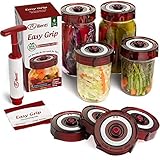
- Hassle free fermenting lid valve: No manual burping is needed; our easy to use no burp waterless airlock lids for wide mouth mason jars automatically vent gases
- Comfortable easy grip tabs: No more sore hands as the four ergonomically designed tabs allow easy opening when your fermented vegetable is done
- Fermentation lid kit with oxygen extractor pump: Our fermentation jar lids are made of high quality durable BPA free plastic with automatic valve; giving you a perfect lacto ferment every time; perfect starter fermenting pickler kit
- Simple date tracker: Date setter ring is easy to set and remembers the date for you so no need for date stickers; get a probiotic rich culture with sauerkraut, cabbage or any fermented food or vegetable; fill your wide mouth mason jar then set the date
- Low profile waterless airlock fermentation lids: No Bulky water filled airlock so the jars fit easily into cupboards; fill a widemouth mason jar with vegetables and brine and screw on the lid; it’s that easy
Last update on 2026-10-31 / Affiliate links / Images from Amazon Product Advertising API
Beyond the Basic Brine
Brine’s reliable, but alternative curing methods like olive curing can nuance flavor, texture, and rhythm. Method selection influences nutrition, shelf life, and the spot those olives, especially Sicilian-style olives, radiate in the culinary cosmos.
Water Curing
Water curing extracts oleuropein (the primary bitter) with regular water. Score or crack big fruit, submerge in cool water, and turn it daily. This purge stage lasts 1 to 3 weeks for small or green olives and longer for large black ones. It’s a subtle route that maintains crispness if watched.
This technique typically absorbs more quickly with young, small fruit given the surface area is high and cell walls are less lignified. Imagine softer, less salty olives with bright, fresh grassy notes. Plain water offers no salt barrier or acid.
Finish with preservation: a light brine at about 100 grams of salt per liter of water, a 50:50 vinegar-water mix, or a fresh marinade with herbs, garlic, and citrus zest.
One water-cured batch deserves an acid boost. Some producers add vinegar to the finishing brine because it preserves olives better than lactic acid.
After a month of finishing in brine or marinade, move to storage: olive oil, a 50 percent vinegar-and-water mixture, or a new 10 percent brine can sit in the cupboard for up to 6 months.
Refrigerate to prolong life, but consume within a few weeks to a month after opening.
Dry Salt Curing
Dry salt curing dries out and concentrates the olives. For mature black olives, store in layers of coarse salt, approximately equal parts by volume of olives and salt, in an aerated container.
Turn or shake every few days to keep curing even and to vent brine.
Allow 3 to 6 weeks for small fruit and up to 3 months for large, oil-rich types; the usual range is 3 weeks to 3 months. This process yields shriveled, chewy, salty deliciousness, perfect for munching, sprinkled on salads, or baked into breads. The taste is sun-dried fruit with a nice bitter finish.
Rinse briefly to remove the salt, then dry well and jar in olive oil to add richness and keep out the air. For added security or a brighter note, splash in some wine vinegar before oiling.
Unlike brined olives, dry-cured ones have less water, more chew, and a more concentrated umami character.
Brined fruit, especially when fermented for about a month and left to rest in the jar for at least 3 months, usually comes out juicier, with lactic tang and a broader aromatic spectrum.
Nutrition shifts too: dry-cured olives lose more water-soluble components while brined ones keep more but absorb sodium.
You can mix strategies; begin with water changes, then transition to a 100 g/L brine, or alternate fresh water and brining over a few months to calibrate salt, acid, and velocity to your palate and equipment.
The Art of Patience
To ferment olives is, by definition, to do it slowly. Time transforms bitter phenolics into mild acids, develops fragrance, and nurtures lactic acid bacteria that render olives edible and teeming with probiotics.
Various cultivars advance at varying rates, so patience, not the calendar, dictates the rhythm.
Curing in 5 to 10 percent brine for months is normal, and opening the jar before three months usually provides flat flavor and lingering bitterness.
These long-term makers go decades without a single jar bursting when they wait, check with calm, and treat their jars with respect.
Harvest timing matters too: picking at the milk stage—when the pit is firm and the flesh exudes milky sap—improves texture and final taste.
Temperature Control
To ensure successful olive curing, maintain fermentation temperatures between 15 and 20 degrees Celsius, which favors lactic acid bacteria over spoilage microbes.
If temperatures drop below 12 degrees Celsius, acidification slows; above 24 degrees Celsius, olives can become mushy.
This mushiness often indicates excessive heat or enzyme activity, which can mar the finished olives.
A cellar, pantry, or even a shaded kitchen corner can provide a stable environment for curing olives. If your home tends to be warm, consider using a water bath or insulated box to buffer temperature fluctuations.
Daily monitoring with a probe thermometer is essential to record high and low temperatures during curing.
When temperatures drift, move your olive container to a more suitable location before adjusting the salt concentration. Many makers store jars at room temperature for the first month, then transfer them to a cool, dark cupboard for the rest of the curing process, ensuring flavorful olives.
Visual Cues
Color drifts from bright green to muted olive, straw, or brown. That shift indicates phenolic transformations and surface oxidation, both of which are typical. Sevillano, Manzanilla, and Kalamata all drift towards their own unique hues, so learn your cultivar’s colors.
Good brine appears clear to slightly cloudy with suspended lactic cultures. A thin, matte, white film (kahm yeast) can develop on top. Simply lift it off, rinse the rim, and top up the brine.
Fuzzy, colored mold requires elimination and scrupulous cleaning. Press olives under. Texture says timing. At first, fruit seems unripe and tart. Half-fermented, it becomes plump and springy.
Overheating or too little salt can produce hollow, soft flesh. Stop, cool the jar, and adjust brine strength.
Experienced curers inspect weekly: skim scum, wipe lids, and keep headspace modest. These small rituals keep jars clean without excessive shaking.
Taste Testing
Begin tasting around 8 to 10 weeks to monitor bitterness decreasing and acidity increasing. Most hold 3 months until the first genuine call because taste requires time to mellow.
For Sevillano, “pretty quality” appears at 6 months, with jars still superb at 3 years.
Take notes on salt level on the tongue, skin snap, aroma (herbal, lactic, nutty), and finish length. Mark date, variety, brine percentage, and temperature. These logs steer next batches better than memory alone.
When it tastes balanced—less bitter, with bright acidity and a fresh aroma—move the jars to the refrigerator. Consume within a couple of weeks to a month for optimal texture.
Share a small plate with your friends and inquire about salt, sour, and bite. Fresh palates pick up what you might miss.

- FOOD-SAFE GLASS – Our weights are composed of the same food-safe soda lime glass as mason jars. They’re non-porous and lead-free. No need to worry about flavor or odor transfer, and they won’t stain
- THE KEY TO GREAT FERMENTATION – Our 6-Pack of weights will keep your fermenting vegetables submerged to prevent spoiling caused by excess oxygen. Make kimchi, sauerkraut or kraut, pickles and more
- SUITABLE FOR WIDE MOUTH MASON JARS – 2.7″ diameter compatible Ball Jars and other brand of wide-mouth mason jars. With our mason jar fermentation kit, fermenting is easy and fun for small batch fermentation. Also great for pickling
- EASY GRIP HANDLE – Fermentation weights can be slippery. That’s why we use an easy grip handle. If that fails, or if the weights are too deep in the jar, the weights are easily retrievable with a fork from your fermentation jar.
- DURABLE AND DISHWASHER SAFE – Suitable for top rack dishwashing or handwashing. Our weights are thick and heavy so they’ll keep your food submerged and they’ll last for years to come
Last update on 2026-10-31 / Affiliate links / Images from Amazon Product Advertising API
Troubleshooting Your Ferment
With an emphasis on rapid diagnosis and surgical fixes, this section helps you salvage a batch of salted olives and maintain flavor.
Address common issues like mold, soft olives, or off odors by adjusting brine strength or cleaning jars.
Surface fuzz or colored spots mean mold or film yeasts that oxygen has nourished. Skim them, wipe the rim, and top up with fresh 5–8% salt brine (50–80 g salt per liter).
Keep olives submerged with weights, or seal the surface from air using a 2.5 cm layer of paraffin, microcrystalline wax, or “vaspar” (1:1 paraffin and vaseline).
Off odors such as ‘rotten egg’ or ‘fishy’ notes indicate protein degradation or sulfur producers.
Replace 30–50% of the brine, clean lids and gaskets with hot water, and increase salt to the high end of the range. Soft olives result from low salt, high heat, or overexposure to lye.
Check texture post-lye debittering; for green olives, typical lye is 0.9–1.25%. Rinse uniformly, then brine quickly. If heat is your problem, keep the crock at 15–22°C, and use block ice or a heat exchanger to chill lye early in the season.
Blistering is common in fruit treated from September 15 to October 15 when gaseous fermentation starts, so increase salt, keep oxygen out, and avoid warm spikes.
Increase salt concentration if spoilage organisms appear or brine becomes slimy.
Slimy brine means exopolysaccharide-producing microbes are at work. Remove 25 to 50 percent of the brine right away, scrub the jar shoulder, and replace it with 8 to 10 percent brine. Stir the surface layer to break biofilms before resealing from air.
Keep total titratable acidity growing with constant temperature. Olives brined in late September and early October are often more acidic because of the ideal ambient warmth.
Track pH once per week and get below 4.3 by week 3 to 4, knowing fermenting yeasts are present in the first 1 to 2 weeks and remain, while L. Mesenteroides may thrive during late primary and early secondary and disappear within 3 to 4 weeks.
Remove affected olives promptly to save the rest of the batch.
Any olive with soft spots, hollow centers, or deep pitting can seed the rest. Lift them with clean tongs, discard them, and backfill the headspace so the fruit stays submerged.
If over 10 percent are damaged, decant healthy olives into a sterilized jar with new 6 to 8 percent brine.
Reduce oxygen exposure with a wax-seal layer. Expect longer timelines in cool rooms and with firm types.
Some finish in 4 to 5 months, while others take up to 18.
Create a checklist with clear descriptions to provide quick solutions to fermentation challenges.
- Air barrier: Weights plus a 2.5 cm wax/vaspar layer.
- Salt: Start at 5 to 8 percent; raise to 8 to 10 percent if slime or off odors occur.
- Temperature: Hold 15 to 22°C. Cool lye quickly with block ice or a heat exchanger.
- Microbes: Yeasts early, L. mesenteroides transient; track pH to less than 4.3.
- Season: Early-fall fruit may blister; control salt and oxygen.
- Brine care: Replace 30 to 50 percent if dirty. Clean rims, lids, and weights.
Our Conclusion
To conclude, fermenting olives simply feels simple, steady, and real. You select healthy fruit. You concoct a pure brine. You establish a relaxed rhythm. You sample, record, and discover.
You notice little changes quickly. You correct minor errors quickly. You get crisp, briny olives with punch and dimension.
To organize your next batch, experiment with two jars side by side. Ferment one with 5% salt and the other with 7%. Throw some lemon peel into one jar.
Add garlic and bay to the other. Monitor pH and salt. Observe color, aroma, and taste. Split a meager plate with friends.
Ask what should pop.
To maintain your rhythm, store your prime notes. Label your stuff. Put a pin in it, then start a new run next month. Are you ready to get your first jar underway today?

- SMART DATE-TRACKING FERMENTATION LIDS: Mfacoy’s innovative silicone pickle caps feature an easy-to-set date tracker, so you can monitor fermentation time at a glance—no guessing or forgotten batches! Perfect for sauerkraut, kimchi, pickles, and more.
- AUTOMATIC GAS RELEASE, NO BURPING NEEDED: Our patented one-way valve design vents excess CO2 effortlessly during fermentation, eliminating manual burping or messy water airlocks. Just seal and let the lid work its magic!
- PREMIUM FOOD-GRADE SILICONE: Made from 100% BPA-free silicone, Mfacoy lids are durable, dishwasher-safe, and won’t crack or warp. Safe for fermenting veggies like cucumbers, carrots, and garlic.
- PERFECT FIT FOR WIDE-MOUTH MASON JARS: Designed specifically for standard wide-mouth jars, these low-profile lids seal tightly and spoilage while saving space in cabinets or drawers.
- FOOLPROOF FERMENTATION EVERY TIME: Avoid exploded jars or failed ferments! Mfacoy’s airtight silicone seal and auto-venting valve keep oxygen out and pressure balanced for probiotic-rich, perfectly fermented foods.
Last update on 2026-10-31 / Affiliate links / Images from Amazon Product Advertising API
Frequently Asked Questions
How long does it take to ferment olives?
Most olives, especially green olives, require 4 to 12 weeks to cure. Start tasting weekly after week 4 to achieve flavorful olives. Warmer rooms speed up the brining process, while cooler rooms slow it down.
What salt-to-water ratio should I use for brine?
Add 5% salt by weight: 50 grams of non-iodized salt per 1 liter of water. This brine recipe encourages safe fermentation and pure taste when preparing flavorful olives.
Do I need a fermentation weight or airlock?
Yes, a weight keeps those fresh olives fully submerged during curing. An airlock is handy but not necessary; if you don’t use one, burp the mason jars every few days.
How do I know if my olives are safely fermenting?
Watch for little bubbles, a sour scent, and cloudy brine during the olive curing process. These are common symptoms of active fermentation. If you’re unsure about the finished olives, toss them and begin again.
Can I add flavors to the brine?
Yes. Spice it up with garlic cloves, citrus peel, bay leaf, chili, or herbs. These additions should be clean and fully submerged in the brine. Spices can slow the curing process a bit. Begin easy, then tweak on subsequent batches.
What temperature is best for fermenting olives?
Ferment at 18 to 22 degrees Celsius to create a flavorful olive brine. This range supports lactic acid bacteria, which are essential for the olive curing process, and helps prevent spoilage.
Why are my olives still bitter after weeks?
Certain types of olives, like Kalamata olives, require additional time or a lye or water-cure pre-step. Keep fermenting and taste once a week; if bitterness stalls after a few weeks, switch to fresh 5% brine.


One Comment