Discover the Amazing Health Benefits of Fermented Honey – Nature’s Sweet Probiotic Powerhouse
Our Observations
- We ferment with raw, unpasteurized honey to bring to life wild yeasts and lactic acid bacteria, the creators of probiotics, organic acids, and complex flavors. Steer clear of pasteurized honey, as it lacks the enzymes required for authentic fermentation.
- Add moisture-rich ingredients such as berries, citrus, ginger, or garlic to promote fermentation and create tangy, umami undertones. Keep ingredients submerged in the honey and burp the jar daily to release CO2 and prevent overflow.
- Anticipate improved digestion from live cultures and enzymes that help break down sugars and fibers. Pair fermenting in honey with meals to support nutrient absorption and gut balance.
- Boost nutrition by enhancing bioavailable vitamins, antioxidants, and minerals from fruits, herbs, and vegetables. Pick functional add-ins like thyme, elderberry, turmeric, or chili to infuse additional benefits and flavor complexity.
- Fermenting in honey: Preserve seasonal ingredients naturally, with honey’s acidity and antimicrobial properties. Ferments should be stored at room temperature for one to two weeks and then refrigerated for months to slow activity and stabilize flavor.
- Be safe. Clean tools and fresh produce are a must. Throw away any batch with mold or off smells, and refrigerate finished ferments. Begin with a small batch. Taste often and take notes to dial in sweetness, acidity, and timing.

- Food pH Meter for Canning: When canning season arrives, use Food pH tester to test the pH value of meat, fruits, and vegetables to help you identify which foods are suitable for water bath canning (high acid <4.6 pH) and which are suitable for pressure canning (low acid >4.6 pH). It is especially important to measure the pH of canned foods such as tomato sauce and hot sauce salsa again before canning for food safety
- Food pH Meter for Sourdough Starter: For home bakers and chefs who like to make sourdough bread, this digital pH meter with Bluetooth function can help you monitor and record whether the pH value of yeast is within the optimal range (3.5 to 5 pH) at any time. Whether baking sourdough bread, making regular bread and pizza dough, use this pH tester you can easily measure the pH value
- Water pH Meter for Brewing and Fermentation: This pH meter has a wide range of applications, such as fermenting foods, making homemade yogurt, craft beer, kombucha, cider brewing, homemade wine, canning pickles, making mozzarella cheese, jams, jellies, chutneys, sausages, sauces, and skin care products. It is a Essential Tool for food processing
- Smart Food pH Tester: This pH meter can be connected to the YINMIK app via Bluetooth. The pH date can be saved on the app while measuring and you can view historical data at any time. At the same time, the pH reader can be set to automatically save data, and can automatically store up to 1,000 data. This pH Test kit is a very convenient tool for people who need to record data
- Easy to Use pH Meter: Smart pH Meter is calibrated before shipment, ready to use out of box, also coming with pH 7.00 and pH4.00 calibration solution, help you easily calibrate the pH level at any time; With backlight display, even in the dim, you also can get the pH readings; With 30ml pH probe protective solution, Always keep probe moist, extend the service lifer of pH meter, With automatic shutdown function
Last update on 2026-10-02 / Affiliate links / Images from Amazon Product Advertising API
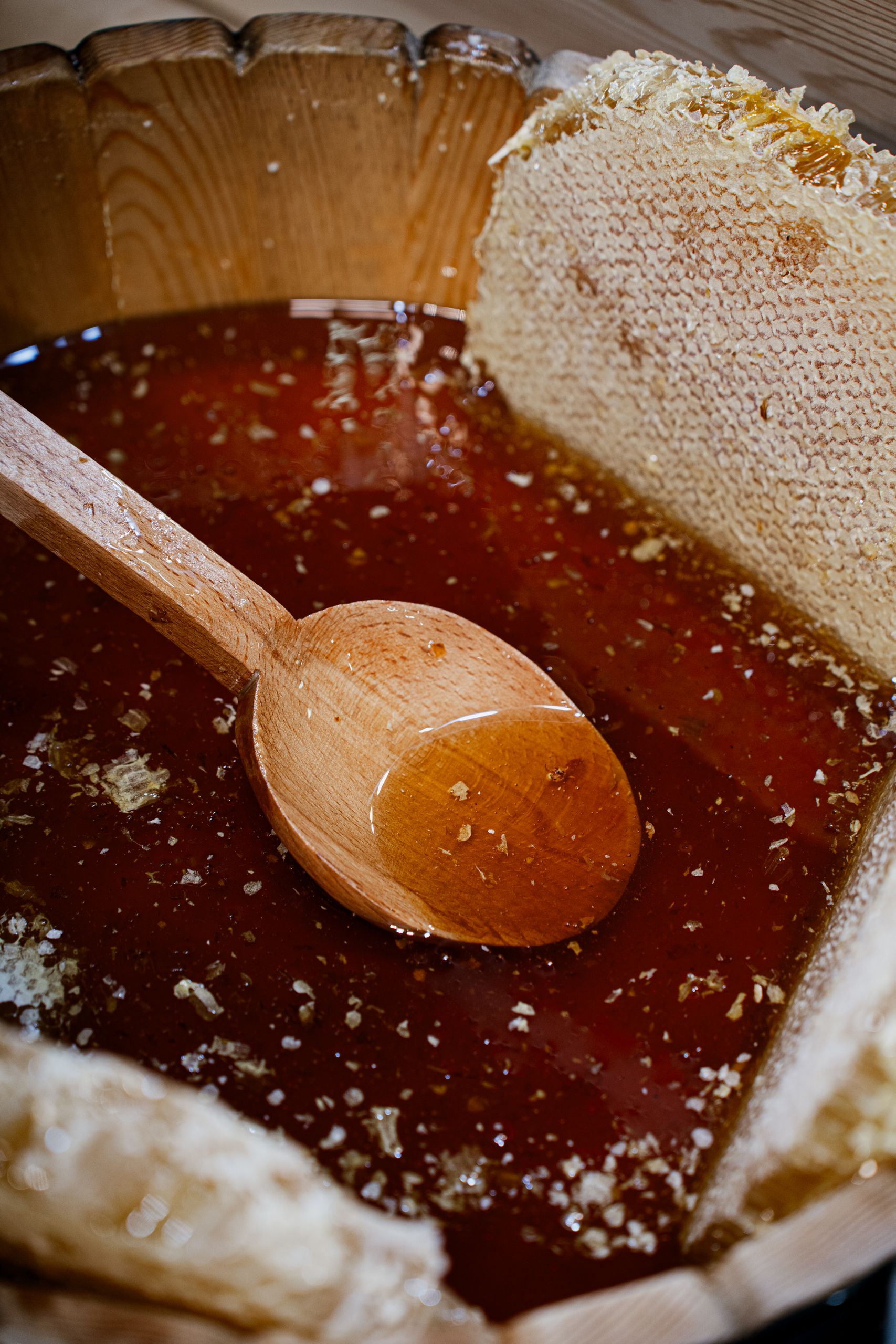
Fermenting in honey is the idea of using raw honey as a medium to culture fruits, herbs, or garlic, where wild organisms can generate fermentation. The water present in add-ins reduces honey’s osmotic pressure, allowing microbes to get busy and produce lactic acid, a trace of alcohol, and carbon dioxide.
The outcome demonstrates luminous flavor, gentle effervescence, and extended shelf life. Common ratios use a 1:1 fruit-to-honey ratio by mass, with headspace and daily burping.
Coming up next, the how-tos, safety notes, and flavor guides.
The Benefits of Fermenting in Honey
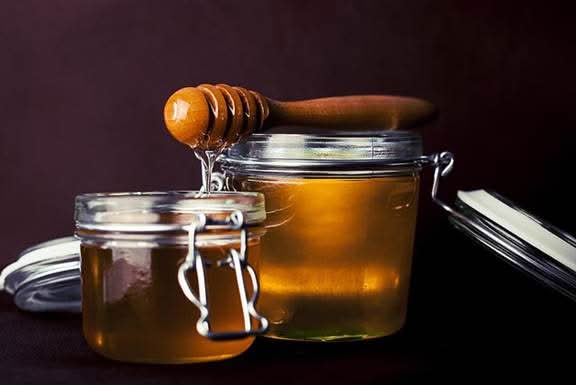
Fermenting in honey not only grows live microbes but also amplifies nutrients and develops complex flavors, making it a great way to preserve seasonal fruits like fresh strawberries.
This primal technique, once employed by Egyptians for medicinal use, now fits perfectly into local kitchens everywhere.
1. Enhanced Digestion
Fermented honey recipes contain a living colony of lactic acid bacteria and wild yeasts that can positively influence your gut balance. These beneficial microbes, along with prebiotic sugars from seasonal fruits or herbs, nurture a healthier microbiome when consumed in small, regular doses alongside meals.
Incorporating honey recipes into your diet can be a great way to enhance your overall wellness.
Active enzymes produced during fermentation, such as invertase and amylase, help break down complex sugars, resulting in less bloating from fruit-heavy blends. This leads to smoother digestion, especially when you combine savory honey ferments with your grains or yogurt.
Honey ferments start to pre-digest fibers and plant cell walls. This can alleviate inflammation for certain people who are sensitive to raw garlic, ginger, or berries. When the gut works less to unpack food, minerals and vitamins from the meal are often absorbed better.
2. Increased Nutrients
Vitamin C, B vitamins, and antioxidant capacity can be measurably enhanced by fermentation in fruit-in-honey mixes, while the bioavailability of iron and zinc can be increased by the mild acidification accompanying fermentation.
Herbs such as thyme, ginger, and garlic retain more of their volatile oils and phenolics when submerged rather than when boiled or aggressively dried. A spoon of mixed-berry honey ferment brings you a wealth of different polyphenols.
A garlic-honey ferment introduces allicin-based compounds that act as antioxidants and anti-inflammatory agents. Most users seem to stir a teaspoon into water or tea at room temperature.
3. Unique Flavors
Microbial metabolism constructs tang, subtle umami, and subtle esters in a way that raw honey cannot achieve on its own. Certain batches take on a supple, almost winey note.
Go lemon-ginger for bright heat, raspberry for jammy depth, or hot peppers for sweet-fire. Nuts provide nuttiness, and herbs give savory lift.
Aged garlic honey acquires a powerful umami that some swear a year produces ‘the real deal.’ Drizzle over roasted vegetables, shake into a three-to-one oil-to-ferment dressing, or swirl into yogurt and sorbet.
4. Natural Preservation
While raw honey’s low water activity, acidity, and antibacterial properties inhibit spoilage, fermentation provides an additional level of protection against mold.
Submerge fruit or herbs and turn the jar over to coat, leaving headspace for carbon dioxide. Our fridge-fermented items can last for months without canning, a gentler option than heavy salt or strong vinegar.
It has kept food good for thousands of years and is having a moment again.
5. Immune Support
Fermenting in honey magnifies antimicrobial and antioxidant actions and can support seasonal wellness. Garlic has natural antibacterial properties and may even help lower cholesterol.
Honey-garlic is delicious and useful. Ginger and elderberry ferments are winter staples. A spoonful of honey-lemon or honey-garlic can help a sore throat.
True fermentation produces prebiotics and probiotics that positively impact whole-body health. It is delicious straight or can be used in dressings, smoothies, and savory sauces.

- Airtight Seal: Silicone rubber seal prevents leaks and keeps out dust, ensuring your honey stays fresh. The honey pot provides easy access to fresh honey while also serving as an elegant display on your kitchen countertop
- Multiple Accessories: 2 extra dipper and built-in dipper lid, convenient 2-in-1 design for serving honey effortlessly, with a spiral dipper that prevents dripping. Crafted from thick glass and 100% natural wood, ensuring safety and longevity
- Transparent Design: Crystal-clear glass allows easy monitoring of honey levels. Its capacity of 18 ounces ensures you have an ample supply of honey readily available for sweetening your favorite beverages and dishes
- Wide-Mouthed Jar: The wide mouth of the jar prevents honey from dripping onto the surface while you pour, making it easier to fill and use without creating a mess. The design also allows the honey spoon to catch honey easily, facilitating a smooth and convenient serving experience for drizzling on your favorite foods
- Versatile Gift Option: Suitable for gifting on various occasions, such as Christmas, Mother’s Day, weddings, or as party favors. The honey jar and dipper set make for a thoughtful and practical present with its classic and stylish appearance along with its functionality to enhance kitchen experiences
Last update on 2026-10-02 / Affiliate links / Images from Amazon Product Advertising API
The Science Behind the Magic
Fermenting in honey, particularly with fresh strawberries or seasonal fruits, relies on living microbes, sufficient water, and appropriate sugars.
Raw, unpasteurized honey contains wild yeasts that become active when moisture rises above about 18%, creating a delightful sweet, summery ferment over weeks.
Key Microbes
Raw honey contains osmophilic yeasts such as Zygosaccharomyces and a blend of LAB, including Lactobacillus and Leuconostoc. They are sugar-tolerant and exhibit low water activity.
Once hydrated, yeasts convert glucose and fructose into ethanol and CO2, whereas LAB produce lactic acid and small metabolites that influence flavor and lower pH.
Many of these ferments wind up with more than one strain, which contributes to gut microbiome variety.
The cast is eclectic. You could even get some acetic acid bacteria to form vinegar notes as ethanol oxidizes to acetic acid in the presence of oxygen. Enzyme activity from the hive, such as glucose oxidase and diastase, pushes the process.
Commercial yeasts are unnecessary with raw honey. Pasteurized or ultra-filtered honey eliminates or diminishes these homegrown participants, which decelerates or halts fermentation.
Chemical Changes
Glucose and fructose go first; yeasts convert glucose to ethanol. In the presence of air, acetic acid bacteria can convert some ethanol to acetic acid. LAB contributes lactic acid and trace compounds, such as esters and aldehydes, that create a layered aroma.
As acids rise, pH falls, both of which help preserve the ferment and sharpen flavor. That acidity combined with honey’s phenolics provides a protective, flavorful matrix.
CO2 creates bubbles and a light foam. Soft fizz in the jar is living proof that sugar is being eaten. A suspended clove or slice of fruit might bounce from entrapped air.
Viscous transitions: As water content increases and sugars are cleaved, honey thins from a molasses-thick syrup to a pourable liquid. Warmer rooms (20–24°C) accelerate the transition.
Honey’s Influence
Honey provides antimicrobial and antifungal power, which favors tough, beneficial microbes over their dangerous cousins. Raw honey’s antioxidants and enzymes provide additional reinforcement.
Too much sugar starves yeasts and bacteria, but just the right amount dilutes it and feeds them. Target moisture over 18 percent. Garlic, ginger, or fruit bleed water and ignite action.
Enzymes count. Glucose oxidase produces a bit of hydrogen peroxide, and invertase helps with sugar. This enzyme complex can increase the bioavailability of certain compounds.
Select raw honey for live microbes and nutrients. With garlic, fermentation can increase allicin-related compounds and their impacts, even if some experience initial digestive irritation. It can improve the assimilation of some nutrients from honey.
A Taste of History
Fermenting in honey lies at the intersection of food, medicine, and ritual, making it a great way to explore various honey recipes. Humans have been using honey for millennia, not just to sweeten, but also to preserve food and create intricate flavor profiles that seem both ancient and fresh.
Ancient Medicine
Ancient healers relied on honey ferments for wound care, digestion, and immune support. Honey’s low water activity and acidity helped protect tissue and discourage microbial growth on wounds and burns. Combined with plants and fermented, it became enzyme-rich syrups that calmed coughs and stomachs.
Texts from Greece, Egypt, China, and South Asia mention honey poultices and herbal honeys for sore throats, queasy stomachs, and seasonal illness.
People noticed telltale signs of live activity: small bubbles after a few days, a scent like turned orange juice, and a shift to a tangy, sweet, thick taste—sometimes jammy, sometimes like Marshmallow Fluff.
Water powered it. Honey begins to ferment when water reaches about 19%. That can come from moist air, soggy spoons, or moist herbs. The outcome earned faith for centuries. It preserved well, it packed well, and it served as both nourishment and medicine.
Many still use fermented honey as a sugar substitute in recipes, embracing its complex flavor rather than resisting it.
Common historical herbal pairings
| Herb/Plant | Traditional use case | Notes in honey ferments |
| Garlic | Immune, respiratory | Whole cloves mellow, produce gentle fizz |
| Ginger | Nausea, cold relief | Spicy heat softens, syrup turns jammy |
| Turmeric | Inflammation | Golden color, earthy bitterness rounds |
| Thyme | Coughs | Aromatic oils persist in an acidic medium |
| Cinnamon | Warming tonic | Adds sweet spice to mead-like syrups |
| Lemon | Sore throat | Zest and juice raise moisture to start fermentation |
| Black radish | Liver, coughs | Sharp bite tames, creates robust brine |
Cultural Beverages
Mead—the original honey wine—probably originated anywhere wild honey came into contact with water and natural yeast from the environment.
Ancient brewers watered down honey, listened for the fizz, and figured out how to steer the ferment. Today, various honey recipes, including savory honey ferments, showcase the diverse uses of honey in modern times.
From burial jars in ancient Egypt to Norse sagas and Vedic hymns, honey drinks punctuated rites, treaties, and seasonal feasts. Techniques spread; some went dry and tart, while others became sweet and thick. Spices, fruits like fresh strawberries, and herbs skewed the profile toward local tastes, creating a sweet, summery ferment that many enjoy today.
Mead corresponds neatly to location. Nordic brewers relied on smoke, heather, and cool cellars. East African tej used gesho leaves for bitterness and body.
In Eastern Europe, medovukha traveled quickly, occasionally spiked with berries, showcasing the herbal properties that enhance the flavor and health benefits.
As we saw with mead, herbal honeys across Asia blurred the lines between libation and medicine. Today’s honey ferments—from hot pepper honeys to berry-studded oxymels—reflect those trends but are made with modern equipment and standardized measurements.
Regional variations in honey drinks highlight the creativity of honey makers, who incorporate local ingredients and flavors to create unique recipes that celebrate the rich tradition of fermentation and the wellness benefits of honey.
| Region/Culture | Beverage | Key additions | Flavor profile |
| Horn of Africa | Tej | Gesho (Rhamnus prinoides) | Floral, lightly bitter, soft acidity |
| Northern Europe | Traditional mead | Heather, smoke, spices | Dry to semi‑sweet, herbal, crisp |
| Eastern Europe | Medovukha | Berries, cloves | Quick, tangy, jammy sweetness |
| South Asia | Herbal honey tonics | Turmeric, ginger, lemon | Bright, spicy, thick mouthfeel |
How to Ferment with Honey
Fermenting in honey uses the honey’s native yeasts and acids to transform seasonal fruits like strawberries and lemons into complex, shelf-stable condiments. This method slightly dilutes honey, submerges fresh ingredients, and controls oxygen and pressure as flavors develop.

- MAKE YOUR OWN SAUERKRAUT, KIMCHI, AND PICKLES – The Kenley fermentation crock is a natural and easy way to make sauerkraut, kimchi, pickles, and more at home. With a 1/2-gallon capacity, it can hold up to 3.2lb of vegetables, making it perfect for small batches.
- HIGH-GRADE CERAMIC AND FOOD-SAFE COATING – Crafted from the finest natural stoneware, this authentic fermentation jar ensures that the flavors you taste come only from your vegetables. A carefully designed, food-safe coating prevents oxidation and improves temperature stability, resulting in well-preserved and delicious fermented vegetables.
- GAME-CHANGING WATER SEAL – The Kenley 1/2 gallon sauerkraut crock is designed to make fermentation easy so you get great results every time. The water seal lid lets fermentation gases escape while keeping air out, ensuring your vegetables are properly preserved and taste great.
- ENHANCE FERMENTATION WITH WEIGHTS AND POUNDER – The fermentation crock comes with unglazed weighting stones to keep all kimchi or sauerkraut submerged under the brine during fermentation. The pounder is added to pack down the cabbage, releasing its juices and speeding up the fermentation process.
- EASY TO USE AND CARE FOR – The fermenting crock is double-glazed for easy cleaning and care. To clean, simply remove any stray vegetable matter when empty, wash with your usual washing-up liquid, and dry fully. Sturdy yet elegant, the Kenley fermentation crock looks great on any countertop.
Last update on 2026-10-02 / Affiliate links / Images from Amazon Product Advertising API
The Method
Dunk fresh ingredients — peeled garlic cloves, sliced ginger, chili rings, and whole berries — in raw, unpasteurized honey. For a delicious twist, consider adding seasonal fruits like fresh strawberries or juicy lemons to enhance the flavor profile.
Try to cover everything completely to reduce oxygen exposure. The perfect finished honey-water level is about three-quarters of the way up the jar, leaving headspace for gases.
You want the jar two-thirds to three-quarters full when you cap it to avoid overflow. Honey contains only approximately 17% water, which is typically insufficient to initiate fermentation.
By incorporating juicy fruits and vegetables, you can create a tasty home recipe that provides a workable dilution.
For dried fruits such as apricots, add water at 3% of the honey weight. That little bump rouses wild yeasts without making it soupy. Loosely cap the jar to allow CO2 to escape. Burp once a day to maintain fermentation.
Throughout the first week, stir with a wooden spoon or flip the jar once a day, twice if pressure builds, to get trapped bubbles to rise and keep ingredients coated. After the first few weeks, fruit sinks below the honey, and agitation is no longer necessary.
Hold at room temperature for one to two weeks to develop a light tang, then refrigerate to slow activity. Honey garlic can continue developing for a year or more, providing excellent herbal goodness. A year provides a good dose of umami depth.
Chilling for a few weeks to a month will really slow any drift towards alcohol.
Critical Safety
Use only raw honey and fresh, sound produce, such as strawberries and lemons, for your honey recipes. Toss any bruised or slimy items, as they can compromise the quality of your fermented honey recipes. Do not use pasteurized honey because it lacks the necessary microbes for safe, stable fermentation.
Wash jars, lids, and tools with hot, soapy water, and air-dry them thoroughly. It’s essential to wash your hands as well. Avoid reactive metals that may leach; glass jars and wooden or silicone utensils are ideal for fermentation.
If you see mold, smell anything rancid or rotten, or see weird discoloration, toss it. Botulism is rare but serious. When in doubt, don’t taste.
When your concoction tastes how you like it, store your jar in a cool place. Cold storage slows fermentation and helps preserve the texture and aroma of your sweet, summery ferment.
Flavor Pairings
- Checklist for ingredients:
- Raw honey: floral or neutral, unpasteurized.
- Fresh produce: high-moisture items such as garlic, ginger, chili, berries, citrus, and herbs.
- Add-ons: dried apricots (3% water relative to honey), turmeric slices, red onion, nuts (lightly toasted).
- Tools: 500-750 mL glass jar, wooden spoon, clean weight, scale.
- Savory builds:
- Garlic and honey: whole cloves; long ferment (up to one year) for soy-like umami.
- Ginger and honey: thin slices for heat; great for dressings and tea.
- Chili and honey: rings or flakes; use sparingly for glazes and pizza drizzle.
- Sweet and bright:
- Berries and honey: quick, jammy syrups for yogurt or oats.
- Citrus and honey: zest and segments; strain pith to avoid bitterness.
- Herbs and honey: thyme, rosemary, mint; infuse for 1 to 2 weeks, then chill.
- Unusual twists:
- Turmeric and black pepper for earthy warmth.
- Red onion for taco condiments.
- Crushed nuts added late for crunch. Store cold to protect oils.
The Fermenter’s Palate
Tasting broadly across styles develops sensory breadth and a sense of recipe. By exploring various honey recipes, you can trace shifts in aroma, taste, and texture to map where each ferment, such as sweet, summery ferments, sits on your palate.
Taste Profiles
Active honey ferments run tangy and a touch sour, with a subtle alcoholic tingle from both ethanol and CO2 produced by yeast or lactic action.
Other tasters equate the vibe to poured orange juice, zippy, a little funky, and never flat. Incorporating seasonal fruits like fresh strawberries or lemons can enhance the flavor profile of your honey recipes.
Add-ins drive subtlety. Ginger provides citrus-pepper heat, garlic adds savory depth, turmeric adds an earthy note, and berries add jammy notes.
For those exploring savory honey ferments, consider using ingredients such as jalapeños or elderberries for a unique twist. Cinnamon, star anise, or black tea will layer in spice and a gentle tannin that tempers sweetness.
Time modifies potency. A 3-to 5-day garlic-honey remains sweet-forward with a soft bite, while 2-to 4 weeks brings a rise in acids and umami flavor. Months in, the edges round off, but the sweetness thins. This fermentation process is essential for achieving the desired taste.
Taste with a clean spoon, observing the swing between sugar and acid. If it’s cloying, give it time or a splash of lemon. If too sharp, fold in fresh honey.
Keeping a log of your fermentation journey will help you reflect on your victories and learn from your failures.
Log short notes: date, add-ins (by grams per 100 g of honey), ambient temp (°C), and taste words like “citrus pith,” “apple cider,” or “savory broth.” These help echo victories and amend failures, ultimately leading to a great way to refine your recipes.
Texture Variations
Fermenting honey draws in water, so it runs from viscous to pourable. Look for a flabby ribbon that dies quickly. Active jars frequently exhibit small bubbles and a gentle, sparkling mouthfeel, while a thick, raft-like sediment can sometimes form on the surface from foam, wax flakes, or fruit pulp. Incorporating seasonal fruits, such as fresh strawberries, can elevate your honey recipes.
Spices mellow with age, and ingredients like elderberries can add unique herbal notes. Blueberries slump and bleed, garlic turns tender, less sharp, and nuts lose crunch but soak up flavor. Track texture as a readiness cue: lively bubbles and easy flow signal peak activity in your fermentation process.
When bubbling slows and viscosity steadies, flavors have likely set. If spontaneous fermentation begins, typical in humid rooms or moister honey, stir daily to keep surfaces wetted and restrict oxygen.
A great way to enhance your recipes is to cool them in the fridge to slow them down or freeze them to pause, allowing for a sweet, summery ferment.
Experimenting with savory honey ferments can also yield delightful results. If you’re looking for a tasty home recipe, consider adding various herbs for their flavor and benefits.
This not only enhances flavor but also supports overall wellness, making your fermented honey a delicious and healthful treat.
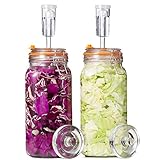
- Thick, Lead-Free Glass Fermentation Jars: Made from durable, lead-free glass, these glass fermentation jars are designed for repeated batches and everyday use. The clear glass construction gives each fermenting jar a clean, timeless look while beautifully displaying your ferments
- Complete Fermentation Kit for Homemade Ferments: Includes 2 wide mouth 2L glass fermentation jars, 2 glass fermentation weights, 2 airlocks, silicone grommets, and silicone seals. A complete fermenting kit for making sauerkraut, kimchi, pickles, hot sauce, and other fermented foods at home
- Wide Mouth Fermenting Jars for Easy Filling & Cleaning: The wide mouth opening makes it easier to pack cabbage, cucumbers, and other vegetables, place the glass weights, and clean each jar thoroughly after use. A practical design for everyday home fermentation
- Airlock Fermentation System for More Consistent Results: Each fermentation jar includes a clamp lid, silicone seal, silicone grommet, and 3-piece airlock to release gas automatically while helping reduce outside air exposure. Ideal for creating a more stable fermenting environment with less daily maintenance
- Glass Weights Help Keep Ferments Fully Submerged: The included glass fermentation weights help hold vegetables below the brine, which is essential for a cleaner, more reliable fermentation environment when making sauerkraut, kimchi, pickles, and more
Last update on 2026-10-02 / Affiliate links / Images from Amazon Product Advertising API
Culinary Uses
Drizzle atop yogurt, ice cream, or melon for a lightly probiotic flick. That tart-sweet pop wakes bland bases fast.
Whisk into dressings with two parts oil, one part vinegar, and one part fermented honey. Add mustard for emulsion. Use in soy-ginger marinades or fold into tomato sauce to round acidity.
Drizzle garlic or ginger honey on toast, roast chicken, or carrots. Brush grilled eggplant with oil, then top with sesame and herbs.
Stir a spoonful into teas under 40°C to keep microbes happier, shake into citrus-forward cocktails or swirl through cheesecake batter.
For larger ventures, be aware that “mead” is honey fermented with pitched yeast to wine. Store table honey in a warm, dry, and well-ventilated place with a dehumidifier to prevent it from spoiling or encouraging it.
Ferments alcohol, carbon dioxide, acids, cool slows, freeze stops. A few people swear by their cold-and-flu support, but the jury is still out. Taste it, then talk later about the benefits.
Understand the Risks
Honey fermentation can be a great way to create delicious honey recipes, ensuring careful management of moisture, temperature, and microbes while facilitating the growth of beneficial lactic or osmophilic yeasts for optimal herbal wellness.
Recognize the potential for botulism in improperly fermented honey or garlic.
Honey and garlic can both harbor Clostridium botulinum spores. In low-acid, low-oxygen environments, such as garlic submerged in honey, spores can germinate and produce toxins if the pH remains above 4.6 and water activity increases.
Raw honey by itself is typically too low in water activity to support botulism, but the moment you add high-moisture foods like garlic, ginger, or berries, you change the situation.
Use a pH meter, not pH strips, and maintain the pH at 4.2 or below during active fermentation.
Salt your produce lightly first, one to two percent by mass, to pull moisture or pre-dry cut surfaces to limit water influx. Toss any batch with gas without acidification, bulging lids, or numbing off-flavors. Never give raw honey ferments to babies.
Avoid fermenting with pasteurized honey, as it lacks the wild yeasts necessary for fermentation.
Pasteurization exterminates the wild yeasts that initiate the controlled fermentation. With pasteurized honey, you’ll get either no action or sluggish, patchy growth by contaminants.
Use raw honey with a tested moisture content of less than 18% and a clean taste. If raw isn’t an option, spike with a known starter, such as wine yeast (e.g., EC-1118), at 0.1 to 0.3 grams per kilogram to establish the microbiology while still controlling water activity and pH.
Monitor for signs of spoilage, such as mold, off smells, or slimy textures.
Be on the lookout for fuzzy mold, ropey ‘snot-like’ strings, solvent or rotten smells, and surface weeping. Two-phase separation, with liquid over crystals, can trap pockets where yeasts flourish.
At over 10 osmophilic yeasts per gram, risk increases quickly, particularly above 18% moisture. Above 20%, rapid fermentation is probable. Temperature swings, with 10 to 27°C as the danger band, accelerate issues, while partial crystallization at about 14°C forms a liquid-solid combination that encourages fermentation.
Yeast ceases activity below 11º C but resumes when warmed, so cold is not a solution. If spoiling shows, don’t scrape and save; toss.
Follow safety standards and best practices to ensure safe, delicious honey ferments.
Use a refractometer to confirm moisture of 18% or less prior to adding produce. Weigh inputs to anticipate dilution, then compensate with dry fruit or pre-salted produce to maintain a low water activity.
Select glucose-fructose balanced honey; high glucose honeys crystallize rapidly, drive two-phase separation, and increase risk. Keep temperature changes to a minimum to avoid crystallization cycles.
Maintain tools sanitized, container headspace minimal, and lids vented during the active phase. Record pH, moisture, and temperature by batch. One ruined drum can cost thousands in loss and rework. Don’t take chances. When in doubt, run a small pilot jar first.
Our Conclusion
Ferment in honey for an audacious taste, consistent shelf stability, and neat processing.
Keep salt down, pH safe, and equipment sanitized.
Fermenting in honey. Work by the pound.
Monitor temperature. Small steps cut the risk.
For a first run, see below – garlic in honey. Take 200 grams of peeled cloves and 300 grams of honey. Stir once a day for a week. Burp the lid to vent gas. Test on the 10th day. Pungent heat tenderizes.
Sweet notes ascend. Or opt for chili, lemon, or ginger. Each wafts a crisp edge and a luminous aroma.
To develop expertise, record mass, Brix, pH, and days active. Or just share a jar with a friend!
Got a batch on the deck? Put down your scheme or your crutch.
So, let’s learn, cook, and grow.

- Elevate your dishes with our honey-infused fermented garlic for a burst of savory sweetness! Rich in probiotics and prebiotics, it promotes a healthy gut microbiome, aiding digestion and nutrient absorption. Packed with allicin and antioxidants, it can help fend off illnesses and supports your immune system all year. Made from the finest ingredients, it’s unfiltered and free from additives—pure goodness in every jar! Great for drizzling on veggies, mixing into marinades, or spreading on toast. Comes in an eco-friendly glass jar (8 fl oz) to ensure freshness without plastic waste!
Last update on 2026-10-02 / Affiliate links / Images from Amazon Product Advertising API
Frequently Asked Questions
What does “fermenting in honey” mean?
It’s one of those natural preservation methods where you just soak seasonal fruits, herbs, or garlic in raw honey. The fermentation process with native yeasts and enzymes gently ferments sugars, producing tart flavors and probiotics, creating a sweet, summery ferment that serves as an excellent condiment for spicing up beverages, vinaigrettes, and marinades.
Why use honey instead of brine or sugar?
Honey provides antimicrobial properties, enzymes, and complex flavor, making it a great way to enhance a variety of honey recipes. It ferments very gently without the addition of water, resulting in a sweet, summery ferment that features robust aromatics and a honey-sweet infusion, perfect for sauces, drinks, and desserts.
Is fermenting in honey safe?
Yes, when fermented right, using raw honey and fresh strawberries or seasonal fruits can create delightful fermented honey recipes. Ensure that all ingredients are completely covered to avoid mold or funky smells, as these can compromise the fermentation process and the herbal wellness benefits.
How long does a honey ferment take?
The majority of honey ferments, including sweet summery ferments, are ready in one to four weeks at room temperature (18 to 22ºC). They get better with age, so taste them every week to appreciate the herbal goodness. Refrigerate when you like the acidity and aroma to slow fermentation and preserve.
Do I need starter cultures?
Typically not. Raw honey and produce, such as fresh strawberries and seasonal fruits, bear wild microbes that ignite fermentation. For good measure, you can add a spoonful of live brine, whey, or kombucha to enhance fermentation.
What can I ferment in honey?
Common picks for savory honey ferments include garlic, ginger, lemon slices, chili, fresh strawberries, and various herbs. It’s essential to choose clean, dry, and fresh ingredients while avoiding high-water items unless shaved thin to maintain flavor concentration.
How should I use honey ferments?
Drizzle atop yogurt, fruit, or soft cheeses for a sweet, summery ferment. Mix into tea, sparkling water, or cocktails to enhance the herbal properties. Whip into dressings and glazes, especially for roasted vegetables or grilled tofu.


