
Boost Your Gut Health Naturally: Discover 10 Fermented Foods and How to Use Them!
Our Observations
- Fermentation, carried out by microbes, converts sugars into acids or alcohol and produces probiotics that aid digestion and support a healthy gut microbiome. Begin with small servings and work your way up to allow your gut to adapt.
- Different fermentation pathways, such as lactic acid, alcoholic, and acetic acid, yield different foods and microbes, so rotate your fermented foods, like yogurt, kimchi, and sourdough, to maximize microbiome diversity.
- Fermented foods boost vitamin levels, decrease anti-nutrients, and increase protein and mineral bioavailability, so replace staples with fermented versions such as kefir, tempeh, or sourdough to amplify nutrient absorption.
- Safe fermentation relies on sanitation, proper salt ratios, and temperature. Work with clean tools, date jars, and store completed ferments in the fridge to minimize contamination.
- Be on the lookout for downsides such as excess sodium, histamine or intolerance reactions, and spoilage. Track your servings and toss any ferments that smell or appear off.
- For home practice, follow a basic checklist: use glass jars and weights, measure salt precisely with a scale, track fermentation times and temperatures, and try simple recipes in small batches to build confidence.

- Max Strength General Probiotic 2 Month Supply (60ct) : Our probiotic is designed to support digestive health & gut health. A great choice for those looking to support a diverse healthy microbiome w/ 60B CFU – Probiotics for Women & Men alike. Same great product you love, with a new look. Packaging May Vary!
- Support Your Gut: Our probiotic contains 10 diverse high-quality probiotic strains and organic prebiotics – synergistically working together to support your gut health. Expertly crafted to support occasional constipation, diarrhea, gas & bloating!
- Survives the Gut: From start to finish – this probiotic is designed to survive the gut & maximize the colonization of our strains. We use a shelf-stable bottle, acid-resistant capsules, and 60 Billion Colony forming units (CFU) to achieve this!
- Backed By Science – Our probiotics are crafted based on scientific research. We have partnered with a network of expert physicians to help review our products & research. We strive to educate & help you with informed decisions regarding your health.
- Safety Assured Standard of Quality: Our 60B probiotic is 3rd-party tested for purity and potency. Each bottle is manufactured with love & care in the USA with strict quality control – using imported and domestic ingredients.
Last update on 2026-10-01 / Affiliate links / Images from Amazon Product Advertising API
Gut health fermented foods guide details how fermented foods aid digestion and microbiome balance.
It provides a roll call of probiotic-packed choices such as yogurt, kimchi, sauerkraut, kefir, and miso and tracks safe serving sizes and storage advice.
From easy fermentation steps and essential equipment to common hazards like contamination and excess salt, our guide has you covered.
You will discover specific meal ideas and weekly plans to introduce fermented foods without overload, as well as resources for further research.
What is Fermentation?
Fermentation is a metabolic process in which microorganisms such as bacteria and yeasts convert sugars and starches into alcohol, acids, or gases.
This biochemical transformation simultaneously preserves and transforms food by generating compounds that inhibit or prevent the growth of spoilage and pathogenic microbes.
Fermentation can be oxygen-deprived or absent, frequently in a submerged brine or closed vessel that creates an anaerobic environment. Speed and results vary with temperature, salinity, and the local microbes.
Ancient Alchemy
Ancient cultures employed fermentation for preservation, detoxification, flavor, and ritual. Across regions, people learned to turn perishable crops into stable foods: cabbage into sauerkraut in Europe, vegetables into kimchi in East Asia, milk into yogurt and kefir in Central Asia, and grain into sourdough bread across many societies.
These foods evolved from ‘wild’ fermentation, where native microorganisms found on fresh ingredients ferment without a starter culture. Spontaneous methods depend on local microbial ecology, and so flavors and textures differ by place and season.
In a pre-refrigeration world, fermentation reduced pH and generated preservatives that improved safety and shelf life, preventing spoilage and foodborne illness in ways humans understood for centuries before germ theory.
Modern Methods
Modern food science uses starter cultures to achieve consistent, predictable results and to scale production. Starter strains—specifically chosen bacteria or yeasts—regulate acid or alcohol production, accelerate fermentation, and prevent off-flavors.
Industrial facilities further control temperature, hygiene, and process monitoring to manage fermentation kinetics and minimize contamination. Controlled fermentation, in contrast, trades local variation for reproducibility and safety.
Both have their place, depending on your product goals. Hygiene and precise temperature control are critical. Warmer temperatures generally speed fermentation but can favor undesirable microbes. Cooler temperatures slow activity and shift flavor profiles.
Industrial innovations enable enrichment with probiotic strains and encapsulation to enhance survival through processing and storage, although not all fermented products labeled as “probiotic” have live organisms at the point of consumption.
Sauerkraut, kimchi, yogurt, kefir, kombucha, sourdough — and the list goes on and on. They develop through lactic acid, alcoholic, or acetic acid fermentation, with each pathway characterized by the prevailing microorganisms and fermentation products.
Lactic acid bacteria ferment sugar into lactic acid. Yeasts ferment alcohol into ethanol and carbon dioxide. Acetic acid bacteria ferment ethanol into acetic acid. These pathways may overlap, as kombucha contains yeast and acetic bacteria.
Not all fermented foods provide equal nutrition or health benefits. Some offer live probiotics, while others provide only their fermentation-derived compounds. There is evidence suggesting potential benefits for gut health and reduced inflammation, but each product, dose, and individual microbiome may have different effects.
How Fermented Foods Benefit Gut Health
Fermented foods, such as kimchi and yogurt, provide live microorganisms that enhance gut microbiota and offer metabolite byproducts influencing host physiology.
They act on several fronts: seeding the intestines with healthy bacteria, aiding digestion, increasing nutrient availability, and modulating immune responses, showcasing the real benefits of a balanced diet.
1. Probiotic Power
These include fermented foods like yogurt, kefir, kimchi, sauerkraut, and some pickles, which are rich in live probiotic strains that often survive digestion and reach the gut. These foods typically include Lactobacillus and Bifidobacterium species, as well as other lactic acid bacteria and yeasts, which vary by food and production method.
After antibiotics or acute gastroenteritis, these foods can help restore gut microbiota by reintroducing beneficial strains and supporting recolonization. Probiotics from fermented foods compete with harmful pathogens for nutrients and for attachment sites on the gut lining, reducing the likelihood that pathogens become established.
They generate acids and bacteriocins that inhibit pathogens. Common taxa that appear on bacteria lists are Lactobacillus acidophilus, Lactobacillus plantarum, Bifidobacterium breve, and other similar taxa found in fermented foods worldwide.
2. Nutrient Boost
Fermentation increases levels of some vitamins, particularly B vitamins and vitamin C, in some plant-based ferments. Fermentation may help create vitamin K2, which is important for regulating calcium metabolism.
Fermentation reduces anti-nutrients such as phytates, thereby releasing minerals including iron, zinc, and magnesium and increasing their bioavailability. In dairy and soy ferments, protein structures are partially degraded, which enhances digestibility and amino acid availability.
Some fermented foods contain beneficial metabolites and antioxidants produced during microbial metabolism. These small molecules can have anti-inflammatory and cellular protective effects beyond simple nutrient provision.
3. Digestive Ease
Microbes have already partially pre-digested carbs and proteins during fermentation, so the finished food requires less effort by the human digestive system. Fermented dairy products such as yogurt and kefir tend to have lower lactose levels and contain live lactase-producing bacterial strains.
Many people with lactose intolerance tolerate these products well. Ferments provide digestive enzymes, such as proteases and lipases, that assist in the digestion of food substrates in the gut. By taking them regularly, you can reduce bloating and other digestive discomfort.
The overall experience for plenty of people is smoother digestion.
4. Gut Barrier
Probiotic strains in fermented foods bolster gut barrier integrity by promoting tight-junction protein production and mucous layer quality. A stronger barrier restricts the translocation of toxic molecules into the bloodstream and reduces generalized inflammation.
Microbial metabolites, such as short-chain fatty acids, nourish colonocytes and support the health of the lining. This improved gut barrier function decreases inflammatory signaling and supports broader microbiome-associated health outcomes.
5. Microbiome Diversity
Fermented foods, such as kimchi and kefir, provide a variety of beneficial probiotics that contribute to a diverse gut microbiome, making it less susceptible to dysbiosis. Each ferment has a unique microbial signature, and incorporating various probiotic foods into your diet can improve digestive health and reduce inflammation.
Regular consumption of these foods, including yogurt and miso, enhances microbiome diversity and supports healthy digestion.
This varied intake of live microorganisms can help combat gastrointestinal problems and promote a balanced diet.
- Seeds gut with live beneficial microbes
- Increases microbiome diversity and resilience
- Enhances nutrient absorption and vitamin production
- Lowers gut inflammation and supports immune balance
- Improves digestion and may ease lactose intolerance

- Digestion Supplement: Our Sauerkraut Postbiotic is a friendly companion for your digestive system, offering support for gut health and regular nutrient absorption*
- Gut Health Support: Each serving of this gut supplement also offers immune system support by aiding a healthy gut microbiome*
- Immune Support: This digestive supplement contains 1.2 grams of organic fermented sauerkraut juice concentrate extract in vegan capsules, making immune support simple for those who don’t prefer to eat sauerkraut*
- Our Commitment to Quality: We thoughtfully source high-quality ingredients from around the world, guided by integrity and a deep respect for people, plants, and the planet
- About Gaia Herbs: For over 35 years, Gaia Herbs has helped people live healthier, more balanced lives by formulating products based on traditional herbal approaches while seeking support from modern science. We carefully oversee every step from soil to supplement to ensure purity, quality, and integrity you can trust.
Last update on 2026-10-01 / Affiliate links / Images from Amazon Product Advertising API
A World of Fermented Foods
Fermented foods appear in just about every culture, shaped by regional ingredients, weather, and dietary needs.
What began as pragmatic methods for food preservation now provide unique flavors and possible health benefits, such as beneficial probiotics that support digestive health.
Here are categories and examples that highlight this global diversity and how the fermentation process transforms food’s chemistry, texture, and nutritional profile.
Dairy Delights
Yogurt, kefir, most cheese varieties, and cultured butter are typical fermented dairy products. These products contain live bacteria, such as Lactobacillus and Bifidobacterium strains, that can survive the journey to your gut and interact with your microbiome.
Fermented dairy is often more digestible for those who are lactose intolerant, as microbes consume lactose in fermentation.
Regular consumption is associated with weight control, better glucose metabolism, reduced biomarkers for heart disease and type 2 diabetes, and reduced post-exercise muscle soreness in some studies.
Fermented milk also provides whole protein, calcium, vitamin B12, and riboflavin. Sprinkle probiotic yogurt or kefir into breakfast bowls or smoothies for an easy way to increase live cultures and nutrients.
Vegetable Varieties
Sauerkraut, kimchi, pickles, curtido, and fermented carrots are some of the most popular fermented vegetables enjoyed around the world. They are low in calories, high in fiber, and often very high in vitamin C, vitamin K, and folate post-fermentation.
Fermentation breaks down cell walls, releases nutrients, and produces zesty acids and gases that give crunchy vegetables a spritzy texture and a sour-salty flavor.
Kimchi has been found to contain compounds associated with anti-diabetic, anti-obesity, and anti-atherogenic effects in studies, while mechanisms continue to be investigated.
Use fermented veggies on top of salads and sandwiches, or as an acidic side that cuts through richer flavors.
Fermented Grains
Sourdough, dosa, injera, fermented rice, tempeh, poi — they all demonstrate how grains and legumes can be transformed by microbes into more digestible fare. Due to the sourdough fermentation, it breaks down phytic acid and can have a lower glycemic response than commercially yeasted bread.
Tempeh and dosa are examples where fermentation enhances amino acid bioavailability and can serve as protein-rich meat alternatives. Trade regular bread for sourdough or add tempeh to meals to increase gut-boosting compounds and diversify fiber types.
Unique Beverages
Kombucha, water kefir, and fermented apple cider vinegar are examples of beverage-scale ferments, which contain organic acids, live cultures, and often trace amounts of ethanol. They’re tangy and can be revitalizing like soda substitutes and provide acids and microbes that may aid digestion.
These beverages vary widely in their microbial composition and sugar content, and not all offer the same advantages.
Swap them for sugary sodas and opt for products that have live cultures and less sugar.
- Dairy: yogurt, kefir, cheese, cultured butter
- Vegetables: sauerkraut, kimchi, pickles, curtido, fermented carrots
- Grains/legumes: sourdough, dosa, injera, tempeh, poi
- Beverages: kombucha, water kefir, fermented apple cider vinegar
- Other: miso, salami, beer, wine, koji-based foods
| Fermented Food | Country/Region of Origin |
| Sauerkraut | Central/Eastern Europe |
| Kimchi | Korea |
| Yogurt | Central Asia / Balkans |
| Sourdough | Ancient Levant / global |
| Kombucha | Northeast Asia |
| Tempeh | Indonesia |
| Miso | Japan |
| Dosa | South India |
| Kefir | Caucasus region |
| Injera | Horn of Africa |
The “Dark Side” of Fermentation
Fermentation provides us with valuable foods and beneficial probiotics, but it has a real ‘dark side’ when made incorrectly or when personal factors introduce risk.
Here are the big worries and hands-on tests to minimize damage while maintaining digestive health.
Potential Risks
Home-fermented foods can be compromised by hepatitis A and E, norovirus, rotavirus, and bacterial pathogens if raw materials, water, or handling are unsafe. Fermentation’s ‘Dark Side’ contamination can lead to acute foodborne illness, not just mild upset.
Botulism is rare but possible in low-acid anaerobic environments where Clostridium botulinum proliferates. That risk increases when controls on salt, acidity, or temperature are compromised.
Mold and obvious spoilage typically indicate that toxins or mycotoxins may be involved.
Don’t scrape off the mold and eat the rest.
Some native microbes involved in fermentation produce biogenic amines, especially histamine. People sensitive to histamine can experience flushing, headaches, rashes, or digestive distress.
Fermentation generates other compounds, occasionally advanced glycation end-products, or AGEs, associated in research with oxidative stress and inflammation if consumed in excess.
Bacteriophages, viruses that infect bacteria, upset lactic acid bacteria populations, decreasing healthy metabolite levels and, in excess, indirectly contributing to toxicity or diminished probiotic impact.
Phage activity can change the balance of strains in a batch, and when extensive, could change gut microbiome responses after consumption.
Fermented products may interfere with medications or exacerbate IBS. For instance, the high histamine content can clash with monoamine oxidase inhibitors. Those on these medications should consult a clinician.
Some phages carry genes that confer antibiotic resistance, a public health concern if those genes are transferred to pathogenic bacteria. These dangers highlight the need for caution.
Common Mistakes
Using unsanitary equipment inoculates fermentations with undesirable organisms, so be sure to sanitize jars, tools, and hands. Wrong salt content shifts osmotic and pH trajectories, favoring pathogens or spoilage organisms over beneficial lactic acid bacteria.
Fermenting at temperatures that are too low or too high inhibits consistent acidification; ideal ranges vary by preparation but generally fall between approximately 18°C and 24°C for many vegetables. Sealing jars too tightly can trap gases and cause jars to break. Use airlocks or leave lids slightly loose while fermenting.
Not dating your jars? You’re begging for fermentation to run amok and for unpredictable results. Keep tabs on elapsed time, smell, look, and taste.
Be sure to inspect for spoilage by checking for off smells, odd colors, slimy textures, or fuzz, and toss if you suspect a batch is foul.
Monitor sodium and sugar. Pickles and sauerkraut often contain high salt. Some kimchi or kombuchas may have added sugars, so watch portion sizes to avoid excess intake.

- 【Two Power Source】:USB charging or 2 AAA batteries power supply, you can use it more reliably.
- 【Precise Weight】: Accurate, elegant, easy-to-use digital kitchen food scale for your largest and smallest cooking projects . Measuring range: 0.1oz to 33 lbs (3g to 15kg).
- 【Multifunction Scale】: Automatic Unit Button instantly converts between 5 units of measurements (kg g lb:oz fl.oz ml) and displays results on an easy-to-read Lcd screen.
- 【Practical Design】 The food scale is designed with tempered glass for strong bearing, sleek stainless steel top surface for anti-fingerprint and easy clean, with a attached hook for convenient storage.
- 【Zero/Tare Function】: Convenient tare button for tare calculation allows you to subtract the weight of plate or container, making it easy to achieve accurate readouts of ingredients.
Last update on 2026-10-01 / Affiliate links / Images from Amazon Product Advertising API
Incorporating Fermented Foods
Incorporating fermented foods into your balanced diet can significantly enhance digestive health, provide beneficial probiotics, and connect you to ancient culinary practices.
Start with small portions and gradually expand the variety and amount, ensuring that these flavorful additions blend seamlessly into your everyday meals.
Start Small
Start with roughly a tablespoon of sauerkraut or a small cup (120 ml) of yogurt daily. Pay attention to your digestion.
If you experience bloating, gas, or changes in stool, consider reducing or pausing.
Experiment by introducing one new fermented food at a time so you can tell which item suits you best, and wait a few days between additions. Patience matters. The microbiome shifts slowly, and many people see steady improvements after a week or so of gently increasing fiber.
Daily Habits
Include fermented foods as a conscious choice at meals or as snacks. Store jars of kimchi, pickles, or plain yogurt near the front of the fridge where you will grab them more frequently.
Swap conventional condiments for fermented ones: use kimchi or pickled onions on sandwiches instead of mayonnaise, and miso paste in place of some salt in soups.
Regular consumption beats occasional mega doses because continuous exposure sustains the species and metabolites that keep your gut and heart healthy.
Meal Ideas
Toss kimchi into rice bowls and stir-fries, spoon sauerkraut into sandwiches or grain bowls, and whip yogurt or kefir into smoothies for a probiotic punch. Use kefir or yogurt for dressings and marinades, and stir miso into broths and sauces.
Sip kombucha as a zingy refresher with your meals. Fermented foods preserve, detoxify, and add flavor for millennia, and today’s options allow you to access those advantages with very little preparation.
- Breakfast: Yogurt with fruit, a spoonful of kefir in oatmeal, or miso scrambled eggs.
- Lunch: Kimchi rice bowl, salad topped with pickled onions, or a sandwich with sauerkraut.
- Snack: Kombucha, a small cup of plain yogurt, or a jar of pickled vegetables.
- Dinner: Miso soup starter, fermented salsa on tacos, or kefir-based dressing on roasted vegetables.
Not all fermented foods provide the same microbes or effects, so rotate choices to expand exposure. Some research associates kimchi, sauerkraut, and kombucha with improved digestion and potential benefits for heart health and cancer risk, but findings are mixed.
There’s no established daily recommended amount of probiotics or prebiotics. Just try to add servings slowly and keep the variety high.
The DIY Fermentation Guide
Fermentation is essentially sugars turned into acids or gases by happy little microbes, or beneficial probiotics, in an oxygen-free environment.
To ensure healthy digestion, fermented vegetables should be kept under brine to prevent contamination, which is why we provide clear steps to control salt, temperature, and hygiene.
Essential Tools
Glass jars of different sizes are essential. They’re non-reactive and simple to sanitize.
These fermentation weights keep the veg under brine and minimize air contact. Airlocks facilitate the release of CO2 and minimize exposure to oxygen. A loosely applied lid is fine if you remember to burp your jars frequently. Use wood, plastic, or stainless steel utensils to prevent metal reactions.
A kitchen scale will be needed for salt. Salt percentages are based on total food weight, not just the water used. For a 1-liter jar, anticipate approximately 20 to 50 grams of salt, depending on the desired concentration.
Labels, waterproof tape, and a marker are necessary to keep track of start dates and recipe tweaks. Find fresh, firm produce and whole-milk or live-culture starters for yogurt.
Good raw ingredients produce better-textured, tastier products.
Simple Recipes
Sauerkraut is an excellent example of a fermented food. Shred 1 kg of cabbage and mix it with 20 g of salt per kg to create a 2% brine. Massage the mixture until juices appear, then pack it tightly into a jar and weigh it down to keep it submerged.
The fermentation process should take place at 18–22°C for at least 2 weeks, during which bubbling and a tangy smell indicate that beneficial probiotics are developing.
To make basic yogurt, heat 1 liter of milk to 82°C, then cool it to 43 °C. Stir in 2 tablespoons of live yogurt starter and incubate at 40 to 45 degrees Celsius for 6 to 12 hours before chilling.
Experiment with different cultures to achieve firmer or tangier textures while enhancing probiotic content.
For quick pickles, slice cucumbers and pack them with garlic and dill. Pour a 2 percent brine (20 grams of salt per liter) over them, pressing them under the liquid.
Ferment for three to seven days at 18 to 22 degrees Celsius before refrigerating.
Feel free to try variations by adding caraway to cabbage or chili and garlic to cucumbers. Begin with small jars to test salt levels and taste, ensuring your pickles have the right balance of flavors and beneficial nutrients for a healthy diet.
| Food | Fermentation time | Ideal temp (°C) |
| Sauerkraut | 2–4 weeks | 18–22 |
| Yogurt | 6–12 hours | 40–45 |
| Pickles (lacto) | 3–14 days | 18–22 |
| Kimchi | 1–3 weeks | 15–20 |
Safety First
Clean hands, jars, and utensils before beginning. Use an appropriate salt concentration, typically 2% by weight of the total food, to suppress undesirable microbes. The acceptable range is 2 to 5 percent.
For a 1-liter jar, that usually translates to 20-50 grams of salt. Keep food submerged in brine because fermentation is anaerobic and exposure to air increases the risk of contamination.
Ferment at room temperature, observing that warmer conditions accelerate it. Burp jars or airlocks to release pressure as bubbles form. Refrigerate after fermenting to slow the activity and preserve life.
Throw away fresh batches with fuzzy mold, funky rotten smells, or pink or orange slimes — the spoilage kind, not good. Keep an eye on it and mark observations on the labels for upcoming batches.
Our Conclusion
Fermented foods support gut health in direct, consistent fashions. They add live microbes, assist digestion, and frequently reduce bloating and stomach ache. Sauerkraut, kimchi, kefir, and miso all have different strains and nutrients.
Home fermenting keeps costs low and taste sharp. Mind salt, time, and hygiene for no off-flavors or food dangers.
Start small: a spoonful of yogurt or a few forkfuls of kimchi with a meal. Monitor your gut for a couple of weeks to observe shifts in energy, digestion, and mood.
For chronic gut issues, consult a clinician before making major dietary changes.
Sample one new fermented food this week and observe how your gut responds post-meal.
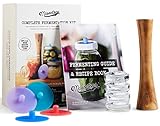
- MASONTOPS COMPLETE MASON JAR FERMENTATION KIT: Includes all the tools needed to turn your ordinary wide mouth mason jar into a fermenting machine! This home fermentation kit converts 4 jars into fermenters for making nutritious homemade sauerkraut, kimchi, pickles, hot sauce and more!
- 9 PC FERMENTATION STARTER KIT INCLUDES: 4 Pickle Pipe fermentation lids for wide mouth mason jars, 4 Pickle Pebble fermentation weights wide mouth mason jars, 1 Acacia Pickle Packer Vegetable Tamper and Bonus Printed Recipe Book. Become a probiotic vegetables maker and pickling pro with the best supplies and equipment from the #1 source.
- MAKE YOUR OWN DELICIOUS PROBIOTIC SUPERFOODS: Ferment vegetables (carrots, pickles & radishes etc.) in a brine or use your acacia wood pounder to pack tasty dry salted ferments like sauerkraut, kimchi and hot sauce. All with your lacto fermentation kit. Good stuff for your tummy and immune system!
- EASY TO USE AND MAINTENANCE FREE: Fill jars with veggies and salt or brine, add sauerkraut weights & mason jar airlock fermenting lids. No need to monitor or burp your jars, your Pickle Pipe airlock for fermenting vents gas without letting oxygen in. Your easy fermenter fermentation kit!
- FROM THE MASON JAR ACCESSORIES EXPERTS: Making your own fermented foods is fun and easy when you trust the Masontops name. Step-by-step instructions with beautiful pictures on how to easily make probiotic superfoods at home with this ball fermentation kit are included.
Last update on 2026-10-01 / Affiliate links / Images from Amazon Product Advertising API
Frequently Asked Questions
What is fermentation, and how does it help gut health?
Fermentation is a natural process in which microbes break down sugars in food, producing beneficial probiotics that support a diverse gut microbiome and aid digestion.
Which fermented foods are best for beginners?
Start with mild options like yogurt with live bacteria, kefir, sauerkraut, and miso, which are beneficial probiotics and easy on nearly every tummy.
How much fermented food should I eat daily?
Try to reach one small serving of probiotic foods a day, roughly 50 to 100 grams, to support healthy digestion and improve gut microbiota.
Can fermented foods replace probiotic supplements?
Not necessarily. Fermented foods, rich in beneficial probiotics and diverse gut microbiota, support general gut health with their unique microbes and nutrients, but if you’re dealing with a specific health condition, targeted supplements may be necessary. Check with your clinician.
Are there risks to eating fermented foods?
Yes. Homemade or improperly prepared ferments may contain harmful bacteria that could affect your digestive health, especially if you have a weakened immune system or gastrointestinal problems.
How do I choose high-quality fermented products?
Watch out for labels reading ‘live cultures’ or ‘raw,’ as these indicate beneficial probiotics. Opt for refrigerated products for more live bacteria and improved digestion.
Can I safely ferment foods at home?
Yes, with proper hygiene, salt ratios, and fermentation times, stick to trusted recipes for pickling and use clean equipment to minimize contamination risk.


