Fermented Foods to Avoid: Risks, Reactions, and How to Choose Safely
Overview
- SAY NO to high-risk fermented foods from dubious or unlabeled sources, and be wary of outbreak-associated items such as some home-fermented vegetables, raw milk and cheese, fermented fish, and unregulated imported items. Purchase brands that have safety testing certification, transparent fermentation information, and traceable supply chains.
- Avoid improperly prepared ferments that don’t have recorded time, temperature, pH, percent salt, and starter culture use. Bad hygiene and dirty implements can let coliforms, pathogenic E. coli, Salmonella spp., or Listeria thrive.
- Avoid fermenting foods to which you are sensitive by controlling high-histamine, high-sodium, and high-sugar fermented foods. Read labels, monitor symptoms, and choose low-histamine options, lower-sodium dishes, and unsweetened varieties to save the heart, blood sugar, and your sanity.
- Identify and discard infected batches that leak, have bulging lids, show discoloration, mold, sliminess, or a rotten chemical smell. Store ferments in airtight containers at stable temperatures in refrigeration when possible to minimize environmental contamination.
- Safeguard at-risk populations such as immunocompromised individuals, pregnant women, children, and seniors by opting exclusively for pasteurized or lab-tested ferments. When in doubt, skip spontaneous or raw ferments and stick to evidence-based food safety guidelines.
- “Use safe fermentation practices at home: sanitize equipment, separate raw and ready-to-eat foods, monitor pH below 4.6 for vegetables, measure salt weight, and control temperature with a thermometer.” Maintain a batch log with time, temperature, pH, and results to enhance consistency and safety.
Fermenting foods to avoid are those with high contamination risks, unstable pH, or toxin-producing ingredients.
Think garlic-in-oil at room temperature, wild mushroom ferments, low-salt kimchi, dairy with unproven cultures, and ferments with non-iodized, impure salts.
Risk increases when brine is less than 2 percent salt, temperature is above 24 degrees Celsius, or oxygen has penetrated jars.
To enable safe home practice, the book’s core outlines foods, safe ranges, and basic control measures for pH, salt, and time.

- Comprehensive Enzyme Blend: Codeage Fermented Digestive Enzymes+ supplement offers 14 different digestive enzymes, including protease, amylase, glucoamylase, diastase, invertase, pectinase, cellulase, hemicellulase, xylanase, lipase, phytase, lactase, alpha-galactosidase, and beta-glucanase—all in one convenient capsule.
- Organic Fermented Botanicals: This digestive enzyme supplement features a fermented organic botanical blend with apple cider vinegar, ginger, kiwi, and turmeric powders, adding additional ingredients to your daily regimen.
- Probiotics Included: This pancreatic enzymes supplement contains a probiotic blend with four different strains—Bacillus clausii, Bacillus subtilis, Bacillus coagulans, and Saccharomyces boulardii—complementing the enzyme formula.
- 3-Month Supply: Each bottle of this probiotic enzyme supplement contains 90 servings for three months of supply. This stomach enzymes formula is vegan, soy, dairy, and gluten-free. It is also free of egg, wheat, shellfish, color additives, or preservatives. Capsules can be opened and added to food or drink for versatility.
- Manufactured in the USA: Codeage Digestive Enzymes supplement is manufactured in the USA with global ingredients in a cGMP-certified facility for quality and purity.
Last update on 2026-10-01 / Affiliate links / Images from Amazon Product Advertising API
Which Fermented Foods To Avoid
Opt for fermented products with transparent sourcing, precise labels, and traceable controls.
Avoid vague claims, poor hygiene, and broken cold-chain handling, as these can compromise gut health and safety.
- Raw or unpasteurized kombucha can pose risks such as contamination, excess sugar, and a rare risk of acidosis.
- Homemade soft cheeses: Listeria monocytogenes, Salmonella spp., Staphylococcus aureus.
- Fermented meats/sausages (improperly cured): Clostridium botulinum, pathogenic E. coli.
- Imported salted fish (improperly stored): histamine (scombroid), Salmonella spp.
- Sprouted/fermented grains/legumes: Bacillus cereus if temperature abused.
- Unlabeled kimchi/sauerkraut: high histamine, sulfites, contamination from coliforms.
- Street-vended fermented drinks: unknown water quality, fecal coliforms.
- Ferments with visible mold: mycotoxins, yeast overgrowth triggers.
1. Improperly Prepared
Avoid ferments prepared without diligent sanitation, pH testing, and temperature control. Without sanitizing, coliform bacteria can persist, and if the pH drop is gradual, it gives pathogens a chance to flourish.
Take advice only from sources that provide fermentation time, target pH (less than 4.6 is safe), salinity, starter culture, and storage temperature. Contaminated raw ingredients, dirty knives, or porous cutting boards introduce foodborne pathogens.
If a product omits starter culture details or mentions ‘wild fermentation’ without regulation, consider it riskier. Pregnant or nursing mothers and anyone immunocompromised should steer clear of raw or unpasteurized ferments altogether.
2. High-Histamine
Histamine-sensitive individuals must avoid aged cheeses, fermented fish such as anchovies, cured meats, sauerkraut, kimchi, and kombucha. They can cause headaches, hives, flushing, palpitations, and GI upset.
Make a list on your phone of high-histamine culprits and favorite swaps. Take small test portions and monitor symptoms for 24 to 48 hours to identify individual triggers.
3. High-Sodium
Many pickles, kimchi, sauerkraut, miso, and soy sauces contain over 700 to 1,000 milligrams of sodium per serving. For the hypertensive among us, this can increase cardiovascular risk and hinder blood pressure management.
Just scan labels, compare per-100 g values, and opt for low-sodium options. Make small-batch ferments with 2 to 2.5 percent salt brine to help keep intake in check.
4. High-Sugar
Certain kombucha, kefir drinks, and sweetened yogurts deliver that extra sugar load that can feed SIBO symptoms and spike glucose. Too much sugar disrupts the gut’s equilibrium and adds unnecessary kilojoules.
Check ingredient lists for syrups, juice concentrates, or “evaporated cane.” Choose natural yogurt, unflavored kefir, or kombucha with three to four grams of sugar per 100 milliliters.
5. Contaminated Batches
Contamination manifests as sliminess, off-odors (putrid, paint-like), or fuzzy mold on brine surfaces. A bad fridge and bad caps increase oxygen exposure and vulnerability to spoilage.
Those with Candida overgrowth, mold or yeast sensitivities, or sulfite sensitivity may react strongly, particularly to yeast-forward or cabbage ferments. Those with FODMAP intolerance or SIBO can bloat with high-fiber or sugar-heavy ferments.
Toss questionable jars and purchase from certified, traceable brands with cold-chain evidence.

- AUTHENTIC TABLE-CUT NAPA CABBAGE KIMCHI – Made with Napa cabbage and premium, seedless Korean gochugaru chile flakes, this is our family’s kimchi recipe adjusted for vegan diets.
- FERMENTED IN-HOUSE FOR DEEPER FLAVOR – We’re the only US kimchi brand that ferments in-house, giving our Vegan Reserve a deeper umami flavor and naturally richer probiotic content with every jar.
- HANDMADE & HAND-PACKED IN THE USA – Each batch is handmade and hand-packed by our team with care. We believe deeply in “Son-Mat” (손맛) , a Korean term that refers to the unique flavor and quality that comes from when your food is prepared by experienced hands.
- NO MSG + WHOLE INGREDIENTS – Made with simple, whole ingredients: Napa cabbage, Korean chile flakes, onion, garlic, ginger, sugar, and salt. No MSG, no preservatives — just clean, fermented flavor.
- VEGAN TRADITIONAL FLAVOR – This kimchi delivers savory, umami-rich flavor without any animal products. Adjusted from the family kimchi recipe that was served at our founder’s mother’s restaurant in Orange, CA for over 30 years.

Last update on 2026-10-01 / Affiliate links / Images from Amazon Product Advertising API
Understand Fermentation Risks
Fermentation can result in healthful food. It can create toxic byproducts or allow the proliferation of pathogenic bacteria when conditions fall short. Not every probiotic strain is good for every gut; some strains can overwhelm beneficial microbes or cause symptoms.
Safe practice relies on careful control of time, temperature, salt, oxygen, and sanitary tools. Spontaneous ferments with no starter culture add variability and risk.
Microbial Cross-Contamination
Shared knives, boards, funnels, and hands transfer microbes from one batch to another. A sterile jar is nothing if your spoon has contacted raw meat or dirt, then brine. Cross-traffic like this has fueled outbreaks of salmonellosis and even hepatitis A associated with fermented foods.
Wash and sterilize equipment after every batch. Wash in hot water with detergent, rinse, then sanitize in boiling water or food-safe sanitizer. Air-dry on a clean rack. For plastic, verify heat limits to prevent warping that can harbor microbes.
Raw inputs can seed pathogens. Leafy stems could harbor Listeria, spices may contain Bacillus, and raw milk may have Mycobacterium sp. Susac samples that include M. Avium, M. Intracellulare, and M. Kansasii.
Unpasteurized goat cheese is associated with tick-borne encephalitis, highlighting the dangers of raw milk in fermented foods.
Separate raw and fermented foods. Use color-coded boards, separate knives, and different storage areas. Keep completed ferments above raw products in the refrigerator so that drips do not contaminate them.
Harmful Byproducts
Others produce toxic metabolites, such as biogenic amines, including histamine, tyramine, and putrescine. Fermentation risks include the possibility that too much can cause headaches, flushing, and blood pressure spikes when combined with certain medications.
Filamentous fungi bring their own dangers if they take hold on a ferment surface. Time and temperature dictate byproduct profiles. Too warm or too long can favor amine-producing strains or ethyl carbamate in certain beverages.
Less salt in meats, though great for flavor, reduces microbiological safety and can push the equation toward rot. Watch for off-flavors, or chemical smells such as solvent-like, rotten fish, sharp ammonia, or harsh “sting.” Those cues are warning signs of noxious metabolites.
Throw away any ferment that has bizarre colors (pink, black, neon hues), slimy brine, or fuzzy molds over the thin, scrapable surface of kahm yeast. It is better to waste a jar than to get sick!
Environmental Triggers
Temperature swings stress lactic acid bacteria and boost competitors. Pathogens like Escherichia coli O157:H7 have shown tolerance to acid and alcohol in pulque, so marginal conditions can allow them to persist.
High humidity and air exposure bring contaminants to open crocks. Airflow desiccates brine lines, leaving produce exposed. Store in stable settings: target recipe-specific temperatures, shield from sunlight, and keep headspace small.
Don’t gamble with fermentation hazards. Prefer airtight jars and once the bubbling phase finishes, store in the fridge at 2–4°C. Starter cultures help by quickly lowering the pH and outcompeting pathogens, providing a little safety layer that ad hoc ferments lack.
Who Needs Extra Caution
Groups that are at increased risk from unsafe or poorly controlled fermented foods, such as raw or unpasteurized items, include kids, seniors, and anyone with delicate health.
These individuals should rely on pasteurized or certified-safe fermented products and consult food safety recommendations when requirements are complicated or clinical to ensure gut health.
Weakened Immunity
Anyone immunocompromised, including chemo and transplant patients, HIV, chronic liver or kidney disease, autoimmune patients on biologics, or uncontrolled diabetes, should steer clear of raw or unpasteurized ferments.
Live cultures and the risk of contamination increase the risk of infection.
If fermented improperly, foods can harbor Listeria, Salmonella, or toxin-producing organisms. Even low microbial loads can be dangerous when neutrophils are suppressed, or gut barriers are compromised.
We opt for commercial, pasteurized, or lab-tested ones with documented HACCP and clear lot codes. Forget farmer’s market jars with no proven process controls.
Maintain your own ‘safe list’ (pasteurized yogurt or kefir, heat-treated kombucha, shelf-stable pasteurized kimchi) and go over it with a clinician.
Anyone with IBD or an unhealthy gut should add any new ferment in very small amounts under medical supervision.
Histamine Intolerance
Fermented foods tend to be particularly rich in histamine from microbial decarboxylation of amino acids. For sensitive individuals, this may induce flushing, hives, headaches, palpitations, nasal congestion, or GI cramps.
Track symptoms and avoid common high-histamine culprits: sauerkraut, aged cheeses, fermented fish (e.g., surströmming, fish sauce), cured meats, soy sauce, and miso. Certain pregnant people are histamine sensitive. Fermented meats and fish can be a double whammy.
A food diary can help you identify dose thresholds, timing, and co-triggers like alcohol. Try low-histamine options, such as fresh, minimally aged yogurt, quick-pickled vegetables made and eaten within 24 to 48 hours, or freeze-thawed portions to limit histamine buildup.
Pregnancy Concerns
Avoid unpasteurized fermented dairy (raw milk yogurt, kefir) and any raw fermented meats or fish. Listeria, toxigenic E. coli, and parasites are all fetal no-nos, and some fermented meats have high histamine loads that can exacerbate symptoms.
Choose pasteurized, sealed items from trusted brands, maintain the cold chain at or below 4°C, and check the use-by date. Consult pregnancy-specific food safety advice from national health authorities, particularly when traveling or where local habits vary.
Sodium Sensitivity
Salty ferments can spike sodium intake, which stresses blood pressure and fluid balance. Check the labels and opt for low-sodium lines or rinsed varieties.
For home ferments, you can get away with reduced-salt brines with starter cultures to preserve safety. Check blood pressure, edema, and headaches after meals, and record the servings to identify trends.
New to ferments? Take baby steps to curb bloating and gas, and if you’re sensitive to mold, steer clear of the obvious. Young children and older adults require additional caution because their immunity is either immature or weakened.

- Explosion of Flavor: Enjoy a satisfying crunch as these fermented cashews shatter in your mouth, releasing a burst of tangy, savory, and umami flavors that excite every taste bud
- Nutrient-Dense Snacking: Compared to unfermented cashews, Gut Nuts offer 35% DV of Vitamin D (0% in raw), 8x the antioxidants, and less phytic acid, which makes them more digestible and less likely to cause bloating. A perfect low-carb, keto-friendly snack to keep you energized and satiated throughout the day
- Gut Health Powerhouse: Rich in both prebiotics and postbiotics, our fermented cashews may support gut health by delivering beneficial compounds resulting from fermentation, all while ensuring shelf-stability and snackability from dehydration
- Versatile and Convenient: Whether you’re enjoying them at home, during a road trip, while exercising, at a party, or in the office, these fermented cashews are the ideal savory snack for any occasion, from gameday to a quick midday pick-me-up
- Quality and Freshness Guaranteed: This package includes three 3oz pouches of Gut Nuts Fermented cashews, carefully sealed in a resealable pouch to preserve their flavor and crunch, ensuring a delightful snacking experience every time
Last update on 2026-10-01 / Affiliate links / Images from Amazon Product Advertising API
How To Spot Bad Ferments
Use an easy-to-follow risk screen before purchasing or sampling fermented products.
- Inspect packaging: avoid jars or pouches with leaks, bulging lids, broken seals, rusty caps, or swollen films—pressure build-up often tracks unwanted fermentation.
- Scan the product: unusual color, odd sediment, froth, or surface bubbles can mean contaminant growth.
- Smell check: sharp sourness is normal, but rotten, chemical, ammonia, or sulfur notes indicate spoilage.
- Texture test: slimy, mushy, gritty, or strangely dry or hard suggests failure.
- PH control: most safe ferments sit below pH 4. If your pH is higher, treat it as unsafe.
- Process review: verify time and temperature stayed in range. Extremes drive imbalance.
- When in doubt, toss. Mycotoxins and pathogens aren’t worth it. Make a one-page checklist for quick reference at home.
Visual Cues
Check for discoloration, mold spots, or strange cloudiness. Bright white kahm yeast may bloom on some brines, but any fuzzy pigmented mold, such as green, black, pink, or orange, is a red flag. Molds can produce mycotoxins that can make you very sick.
Bubbling, frothing, or sudden separation can be normal early on, but late-stage aggressive foam on a finished product often indicates bad bugs. If your kombucha displays abnormal color banding or gritty sediment beyond the standard tea strands, suspect contamination.
Compare shifts to the hue. Kimchi turning dull gray and olives with rainbow sheens are red flags. Photo jars: day 1, mid-ferment; storage makes it easier to spot drift you might not notice day-to-day.
Smell Indicators
Follow your nose. Clean lactic sour is okay. Rotten cabbage, nail-polish remover, ammonia, or sulfur are not. Sauerkraut that smells like a trash bin is contaminated. Ammonia or sulfur usually indicates protein decay and bad bacteria.
Check against a known safe sample—store-bought kimchi or an old good batch. If that baseline smell is off, don’t even taste it. When in doubt, throw it away.
Texture Changes
Steer clear of ferments that become slimy, mushy, or gritty. Over-fermented cucumbers wilt. Floppy, pasty kimchi is a frequent flop. Mushiness typically indicates pectin breakdown from heat, low salt, or spoilage organisms.
Unexpected hardness or dryness, such as rock-hard kraut or leathery pickles, can indicate a salt imbalance or cold stalls. Sticky or tacky surfaces indicate microbial imbalance on the rind or top layer.
Record texture changes in a plain journal, along with the date, salt percentage, temperature (typically 18 to 22 degrees Celsius for many lactic ferments), and pH. A pH under 4 is a good safe target.
If it starts to climb or stall at high levels, treat it as a risk. Record fermentation duration. If it is too short, it leaves it alkaline. If it is too long, it encourages soft rot.
The Fermentation Paradox
Fermentation is a magical process that can save food and enhance taste, but it carries risks. This “paradox” lies in the tension between beneficial microbes and pathogens that may coexist. Not all ferments are equally safe or valuable, and the dose is important.
Food safety beats any probiotic spiel, so variety and moderation are key.
Overconsumption Issues
Too much fermented food in one sitting can throw off the gut’s microbial balance, even if it’s with benign strains. Flooding the lumen with lactic acid bacteria or yeasts can alter pH and short-chain acid levels more rapidly than your system can adjust.
This can lead to gas, loose stools, or cramps. Kombucha, kimchi, kefir, and sauerkraut are usual suspects when servings pile up in a day. Even “raw” miso or live yogurt with added cultures can push you over if you double up.
Set a ceiling of 1 to 2 small servings per day, totaling about 100 to 200 grams, then pause. Rotate types throughout the week—yogurt one day, tempeh the next, pickled vegetables the following—so one microbe group doesn’t reign supreme.
Track your own response in a simple log: food, portion, time, and symptoms. Modify when you notice a trend, particularly while traveling or under pressure.
Gut Microbiome Shock
A jolt of probiotics can jar a balanced ecosystem. High initial doses of kefir or kimchi provide a dense concentration of colony-forming units that interact with existing species and may alter fermentation patterns in the colon.
Stepwise increase intake over one to two weeks. Start with a couple spoonfuls of sauerkraut brine or fifty grams of yogurt, then ascend. Shun too quick jumps attached to fads or dares.
Watch for warning signs: excess gas, urgent stools, or unusual cramping. Ease off if these emerge. Pair ferments with prebiotic foods—oats, bananas, onions, legumes—to fuel resident microbes and grease transit.
Refrigeration slows ongoing fermentation in the jar, but it doesn’t stop it, so flavor and microbial counts can still drift. Cold can reduce probiotic viability over time.
Misleading Health Claims
Labels often overstate live culture counts or promise broad “gut healing.” “Natural,” “traditional,” or “artisanal” does not equal safe or effective. The Latin root fervere, “to cook,” hints at change, not guaranteed benefit.
Check ingredient and nutrition panels. Search for “live and active cultures,” date of manufacture, and storage requirements. Watch for added sugars or alcohol levels in kombucha.
Keep in mind fermentation can reduce antinutrients like lectins but cannot eliminate all threats such as enterotoxigenic Staphylococcus aureus, Listeria monocytogenes, and Bacillus cereus. Lean on proof, not promotion.
Modern microbiology and these starter cultures brought better control and safety to many foods, even some old-school meats, but risk is not zero. Fermented foods faded away amid the 20th-century ascent of processed products and then resurfaced with wellness waves. Choose carefully.

- Wide Mouth Mason Jars: Built-in sealing silicone gaskets and detachable silicone grommet, no need to replace the lid after fermentation, reducing transfer. 4.3 inch wide opening makes easily put in your pickled food and clean it by hand effortlessly
- Upgraded Airlock: The 2-piece airlock of our fermenting jars are simple to assemble, use and wash yet extremely effective in removing the excess gas generated inside the large glass jars as a result of the fermentation process
- 64 OZ Mason Jar with Measurement Markings:The sides of our cookie jars come with precise scale markings: Ml and Fl.oz, ensuring you can track your fermentation progress and accurately measure ingredients. No more guesswork – get consistent, high-quality results every time
- Food Grade and Multifunctional: Crafted with superior-quality materials, lead-free and BPA-free, making it an essential addition to any kitchen. Whether it is pickling, fermentation, kitchen storage, pet food storage, or terrarium making, our big fermenting jar is the perfect choice
- Great Value Large Capacity: You” receive 2 packs 1/2 gallon glass storage containers with lids, and 3 reusable airlocks for fermenting. The capacity of each gallon jug is 1892ML/64 FL Oz. Ideal for brewing beer, cider, kombucha, and making large batches of pickles or sauerkraut. Before pickling, please preheat the bottle with warm water and avoid adding hot water directly
Last update on 2026-10-01 / Affiliate links / Images from Amazon Product Advertising API
Safe Fermentation Practices

Safety rests on control: clean gear, sound inputs, and measured steps. Utilize fresh ingredients, non-iodized salt, and drinkable water. Sanitize your jars, weights, lids, and hands, then air-dry before use.
Stick to a trusted source’s vetted recipe and don’t wing it with a low-acid food. Spend some money on a kitchen scale with gram-level salt accuracy and a 0°C to 100°C thermometer for an accurate temperature reading. Check daily for off-odors, softness, discoloration, or surface mold.
When you can, use starter cultures to help standardize acid production and increase safety margins. Keep a batch log that records the date, ingredients, salt percentage, pH, temperature, and tasting notes to ensure reproducible results. Store completed ferments cold, sealed, and cleanly handled and date-labeled.
For higher-risk raw materials, such as freshwater salmonid fish, strict brining and cold storage at 3°C to 8°C for 3 to 12 months are imperative and should be done in accordance with regional food safety codes.
Control the pH
Hey, acid blocks harmful bacteria. For most vegetable ferments, aim for a final pH under 4.6, which is where many great sauerkraut and kimchi runs settle, around 3.4 to 4.2. The faster the acidification, the less time spoilage-causing probiotic bacteria have to take hold, so an early pH drop is encouraging for safe food fermentations.
Verify pH using narrow-range pH strips or a calibrated pH meter. Scoop from mid-jar, not top. Rinse the probes with distilled water and calibrate them with standard buffers to ensure reliable readings.
Starter cultures like Lactobacillus plantarum can drive a faster, more reliable pH trajectory. This gives you a safety buffer when produce sugar levels fluctuate, enhancing the nutritional value of your fermented products. Record time-to-pH milestones to identify slow-moving batches.
Note pH at 0, 1, 2, and then every few days. Take notes on smell, brine clarity, and texture. Consistent logs keep you from repeating slow-acidifying, risky batches.
Manage The Salt
| Ferment type | Typical salt by weight (to total mass) | Notes |
|---|---|---|
| Sauerkraut/kimchi | 2.0–2.5% | Baseline for firm texture, steady acid |
| Whole pickles | 3.0–5.0% | Longer hold, cooler temperatures. |
| Fermented hot sauce mash | 2.5 to 3.0 percent | Controls molds and enhances LAB |
| Olives (brine) | 6 to 10 percent | Stronger brines prevent spoilage |
| Fish/seafood brine | 8 to 12 percent | Higher-risk substrate, tighter control |
Salt – always measure by weight, never spoons. Little slipups multiply rapidly in big crocks. Reducing salt for health can reduce safety. If you gotta cut down, cut ferment time and chill earlier.
Salt to type, cut size, and desired shelf life. Make a chart for your staples and adhere to it. Re-test if produce water content shifts seasonally.
Maintain The Temperature
- 18–22°C: Balanced LAB growth; clean acid, crisp texture
- 22–24°C: Faster acid; watch for softening and yeast
30°C (>86°F): LAB stall risk. Spoilage organisms take hold.
- Cold storage 0–4°C: Fermentation slows; quality holds longer
- Beer yeast ranges vary: lagers are best at 8 to 15 degrees Celsius (46 to 59 degrees Fahrenheit), and ales are best at 15 to 22 degrees Celsius (59 to 72 degrees Fahrenheit).
Employ a good room and product thermometer. Tape a probe to the jar side or employ a thermowell. High temperatures can stop good bugs and encourage bad tastes.
Track daily ambient and brine temperature along with your pH notes. Patterns expose why one batch raced, and another lagged.
Safe Fermentation Practices: tight control of temperature, pH, and salt minimizes pathogen risk and promotes consistent results.
Our Conclusion
To separate the safe ferments from those to watch out for, rely on obvious indicators. Clean jar. Airtight seal. Consistent bubbles in the early days. A sour but fresh scent. No slime. No fuzz. No pink striations. Throw away on initial suspicion. Gut health scores higher than a “save.
To play down risk, start with small things. Record every batch. Note salt rate, pH, and temperature in degrees Celsius. Aim for 2% salt by weight. Keep vegetables under 22 degrees Celsius. Use fresh equipment. Wash hands. Follow straight steps to reduce germs quickly.
To remain body-attuned, test one food at a time. Track sleep, skin, and gut for a week. If you feel off, stop. Substitute a healthier choice such as pasteurized yogurt.
Have a question or a stubborn batch? Post it, and we’ll figure it out collectively.
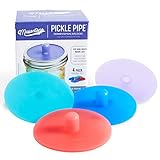
- EASIEST MASON JAR FERMENTING AIRLOCK: These premium quality self burping ferment caps have a one way waterless valve to vent gas automatically while home fermenting vegetables. This simple one-piece airlock requires no water, burping or maintenance.
- FOOLPROOF FERMENTATION: Fermenting veggies is tricky without the right pickling supplies and equipment. Strong pressure presents & can blow off the cover or even burst the glass. Open air can spoil the ferments so our own-way valve prevents spoilage.
- MAKE PROBIOTIC-RICH FOOD AT HOME: Ferment your own sauerkraut, pickles, kimchi & more. Pickle Pipes can ferment any vegetable from cabbage to carrots, cucumbers, tomatoes, garlic, radishes & more. Get your probiotics economically & naturally at home!
- LOW PROFILE DESIGN: Our waterless pipe system is comprised of a low-profile lid that makes storage easier. Our silicone airlocks valve design take up less space and allow you to conveniently store your fermenting vegetables in cupboards and drawers.
- FOOD & DISHWASHER SAFE: Your Pickle Pipes are made of premium quality food-safe silicone. They are BPA-free & contain no phthalates, but are tough and durable and easy to clean. They can go into your dishwasher along with your wide mouth mason jars.
Last update on 2026-10-01 / Affiliate links / Images from Amazon Product Advertising API
Frequently Asked Questions
Which fermented foods should I avoid if I’m new to fermenting?
Start by steering clear of long-fermented meats, soft cheeses, and home-canned low-acid ferments. For wild-fermented fish and untested recipes, skip them. Instead, opt for probiotic foods like yogurt, kefir, sauerkraut, and kimchi, which are known for their beneficial probiotics and proven fermentation processes.
What are the main risks of fermentation gone wrong?
The greatest dangers in food preservation are pathogenic bacteria, mycotoxins, and botulism in low-acid, anaerobic environments. Bad hygiene, warm temperatures, and incorrect salt ratios can increase the risk of food spoilage, leading to off smells, strange textures, and obvious mold.
Who should use extra caution with fermented foods?
Pregnant individuals, babies, the elderly, and anyone immunocompromised should proceed with caution. Avoid fermented foods if you have histamine intolerance, IBS, or SIBO. Talk to a professional before increasing your intake of fermented foods!
How can I tell if a ferment has spoiled?
Go with your gut health. Toss any fermented food if you see fuzzy mold, smell rotten or cheesy odors (not tangy), have a slimy texture, or find gas without sourness. If the lid bulges or the liquid gets cloudy or smells off, toss it.
Why are some ferments healthy yet risky at the same time?
Fermentation can enhance nutritional value and improve gut health by using probiotic bacteria. However, it requires the right salt, temperature, and cleanliness to prevent harmful bacteria from proliferating.
What safe practices reduce the risk of fermentation at home?
Use clean utensils, non-iodized salt, and tried-and-true recipes for safe food fermentations. Submerge the vegetables and ferment at 18 to 22 degrees Celsius to encourage the growth of beneficial bacteria. Date your jars, and avoid tasting fermented foods until they show signs of active fermentation, learning from trusted sources for optimal gut health.
Should I avoid store-bought fermented foods?
Not necessarily. Opt for brands that offer fermented products with transparent labels, live probiotics, appropriate acidity, and cold-chain storage. Avoid those with bulging lids, leaks, or past-due dates. If you have any health conditions, check with your doctor before trying new probiotic food.


