

Foods You Should Never Ferment: Safety Risks, Spoilage Signs, and Safer Alternatives
Key Points
- Here’s what NOT to ferment to stay safe and avoid spoilage. Avoid raw meat, poultry, and seafood at all costs. Low-acid vegetables should not be fermented unless they are properly acidified. Also avoid plants with toxins, fats, and spoiled food.
- Manage pH proactively to inhibit pathogens such as Clostridium botulinum. Aim for a pH under 4.6 for vegetables and test with pH strips or a meter during fermentation.
- Restrict home protein ferments to tested-safe varieties. Choose yogurts and some cheeses with verified starter cultures, and avoid homemade cured or fermented meat products without professional supervision.
- Develop a strict prep and quality regimen before you begin. Disinfect equipment, select quality fresh ingredients, control temperature, salt, and oxygen, and monitor each batch to maintain a standard.
- Hone your sensorium to spot spoilage quickly. Look out for weird colors, fuzzy mold, slime, off odors, and strange textures. Toss any suspicious batch right away.
- Maintain a living do-not-ferment list and best-practices guide. Refresh it with high-risk foods, pH targets, safe recipes, and supplier criteria to help ensure safe outcomes at home or in your biz.
What not to ferment includes high-protein meats, fish, and eggs without controls, and low-acid veggies in oil that increase botulism risk.
Ultra-pasteurized dairy usually doesn’t culture very well. Starches such as cooked rice can harbor Bacillus cereus if cooled incorrectly.
Artificial sweeteners inhibit microbial growth. Wild mushrooms bring toxin concerns.
To help keep you safe, this article provides obvious do-not-ferment lists, pH targets, salt ranges, and tested choices with easy-to-follow steps.


Last update on 2026-10-31 / Affiliate links / Images from Amazon Product Advertising API
What Foods Should Not Be Fermented?
Fermentation is not a magic bullet.
Some foods can harbor pathogens, generate off-flavors, or not reach safe acidity, particularly at home scale. An explicit no-ferment list stops botulism, rancidity, and toxin carryover.
As always, extra caution is essential for pregnant people, infants under 1 year of age, individuals with compromised immune systems, and those who suffer from histamine intolerance.
Fermented foods can be histamine-laden and trigger bloating or discomfort.
1. High-Risk Proteins
Fermenting raw meat, poultry, and seafood at home is unsafe. These proteins can carry E. Coli, Salmonella, Listeria, Vibrio, and Clostridium species that outcompete or circumvent lactic acid bacteria under normal kitchen conditions.
Heat-stable toxins can be generated when protein ferments go awry. You can’t cook or age out some of these dangers.
Old-school fermented meats are acceptable, but they rely on starter cultures, nitrate/nitrite control, strict water-activity targets, and proven hurdle technology.
This means lab-verified pH and salt levels, calibrated chambers, and pathogen testing. Purchase only from Dutch Makers standards. Don’t wing charcuterie or fish ferments at home.
2. Low-Acid Vegetables
To keep food safe, avoid green beans, asparagus, corn, and other low-acid vegetables unless you use effective acidification methods.
Low acidity, or high pH, won’t inhibit Clostridium botulinum, so botulism is a real concern in sealed jars. Fermented foods can enhance your diet while meeting microbiological standards.
Use tested recipes with a salt concentration of 2 to 5 percent by weight, target a pH below 4.6 (preferably below 4.0), and maintain a temperature between 18 and 22 degrees Celsius.
Cucumbers can be suitable in brine, but melons and other super watery items often spoil quickly.
Adding probiotic vegetables to your meals can also support healthy gut bacteria and improve overall digestive health.
3. Toxin-Containing Plants
Rhubarb leaves, raw kidney beans, castor bean, elder seeds, and ornamental or wild plants with unknown profiles. Fermentation does not reliably break down oxalates, lectins, cyanogenic glycosides, or ricin-like compounds and can even sometimes concentrate hazards.
Maintain a printed list of known toxin carriers and train the rest of your household or team to re-check every new plant. Don’t ferment foraged greens unless you have a trusted source to tell you it is safe first.
4. High-Fat Foods
Truffle, ghee, lard, and tallow ferment badly. Fats oxidize and go rancid, and lipolysis by off microbes contributes soapy, bitter notes. High-fat matrices limit carbohydrates for lactic acid bacteria, slowing the acid drop and favoring spoilage microbes.
Even “fermented mayo” requires salt, sugar, live cultures, and careful nitrate monitoring, which is still hazardous for home novices.
Save fermentation for carb- or protein-dominant substrates with established traditions.
5. Previously Spoiled Produce
Never ferment bruised, moldy, or sour-smelling produce. Fermentation cannot reverse contamination or neutralize mycotoxins.
Begin with crisp, unbruised, clean ingredients. Build a quick pre-brine checklist: no soft spots, no visible mold, no off odors, trimmed ends, rinsed in cool water.
Raw milk cheeses aged less than 6 months are high risk. A few things are okay if the process is strict—lacto-fermented limes are good with the right brine and temps—but high-water fruits like melons still fall flat.
Finally, some people should avoid ferments altogether: pregnant individuals, infants under one year, anyone immunocompromised, and those with histamine issues.
The Science Behind the Risk
Fermentation is managed wildness. Good bugs reformulate sugars and acids as they outcompete the bad guys. That works only when salt, pH, temperature, oxygen, and clean handling keep things in check. When the line breaks, dangerous organisms can take hold and produce toxins.
Understanding these levers—pH, proteins, enzymes—is key to determining what foods belong in home ferments and what do not.
| Factor | Safe Range/Behavior | Why It Matters |
| pH | ≤ 4.6 for vegetables | Inhibits Clostridium botulinum and many pathogens |
| Proteins | Low free amino nitrogen unless manipulated | Restricts biogenic amines and toxin formation |
| Enzymes | Tempered or inhibited | Avoids texture loss, off-flavors, and spoilage |
Starter cultures (e.g., Lactobacillus, Leuconostoc, Weissella) can influence results and promote a healthy microbiome, but they don’t eliminate the risk of contamination, norovirus, Salmonella, or antibiotic resistance genes present in certain varieties.
Good practice minimizes risk. It doesn’t make unsafe substrates safe.
The pH Problem
Low pH is the first firewall. Dropping pH below 4.6 blocks C. Botulinum, which can grow in low-oxygen brines if acidity lags. Low-acid fruit, root purées, or thick sauces trap pockets where pH stays elevated, allowing spore-formers and Staphylococcus aureus to survive and, at times, make enterotoxins.
Monitor pH as a process variable, not a speculation. Temperature influences how quickly acidification occurs. Salt establishes osmotic pressure that favors lactic acid bacteria over spoilage organisms.
Poor handling, dirty tools, or underpasteurization of add-ins can seed salmonella. Storage abuse can let norovirus fester on surfaces and cross-contaminate.
Test with pH strips or, even better, a calibrated meter. Aim for a pH of 4.6 or lower by day 2 to 3, with a final goal nearer to 3.5 to 4.0 for veggies.
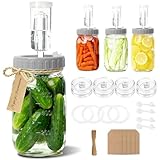
- 【Complete Fermentation Kit】This all-in-one fermentation kit includes four 32 oz mason jars and heavy-duty glass fermentation weights made from food-safe, lead-free, non-porous glass that never absorbs odors, flavors, or colors. The set also includes durable fermentation lids, dual-channel airlocks, and everything you need for making kimchi, sauerkraut, pickles, and more. Includes 20 date-and-note tags with strings for labeling each fermentation session.
- 【Plastic Fermentation Lids, No Rust, No Silicone Wear】Designed as an alternative to metal lids, our food-safe plastic fermentation lids eliminate rust concerns while reducing stress on silicone grommets. This thoughtful design helps maintain a secure seal and extends the lifespan of every fermentation jar in the set.
- 【Ferment & Store with One Lid】Our plastic fermenting lids let you switch effortlessly from fermenting to storage. Simply remove the airlocks and insert the silicone stopper. Each jars instantly converts into a sealed mason jar, giving you a smooth ferment-to-store workflow without changing lids.
- 【Wide-Mouth Mason Jar Design】Each 32 oz fermentation jar features a wide 3.4″ opening for easy filling, packing, and cleaning. Clear ml and oz markings help you measure ingredients accurately and monitor fermentation progress.
- 【Upgraded Airlock & Weight System】Our dual-channel airlocks work with the tight-sealing plastic fermentation lids to maintain a stable, low-oxygen environment. The lead-free glass fermentation weights are non-porous and food-safe, keeping vegetables fully submerged for safe, consistent, and flavorful results in every batch.
Last update on 2026-10-31 / Affiliate links / Images from Amazon Product Advertising API
The Protein Puzzle
Proteinaceous foods are high-risk because proteolysis can produce biogenic amines such as histamine and tyramine, as well as sulfur compounds. With the wrong flora, heat-stable toxins can also form.
Ill-prepared fish or meat ferments have spawned outbreaks. Brucella species and S. Aureus can persist or prosper if salt, pH, and temperature drift.
Limit home protein ferments to proven paths: yogurt, kefir, cultured butter, and regulated cheeses with defined starters and time, temperature, and salt specs.
Skip ad hoc ferments of meat, seafood, or legume purées unless you adhere to validated, microbiology-led protocols in a controlled environment.
If you include protein ferments, use strict controls such as standardized starter cultures, measured salt, target moisture, controlled pH-drop timelines, and cold-chain discipline.
The Enzyme Factor
Pineapple, kiwi, papaya, and ginger all contain endogenous enzymes: bromelain, actinidin, papain, and zingibain. These enzymes can break down texture and release peptides, altering the course of fermentation.
Pectinases and polyphenol oxidases in certain fruits accelerate softening and browning. Lipases in raw dairy can cause rancid notes.
These reactions change mouthfeel, provide substrates for spoilers, and distort acidification kinetics. Off-flavors, mushy tissues, or gas pockets indicate enzymatic spoilage instead of crisp lactic fermentation and can hide pathogen proliferation.
Pre-treat when needed: briefly blanch to denature enzymes, add salt to slow activity, or add calcium salts to firm plant cell walls. Use enzyme-resistant starter cultures and ferment at temperatures that favor lactic acid bacteria instead of endogenous enzymes.
Add enzyme management to your playbook, including ingredient screening, small pilot batches, and documented time-temperature profiles, so choices remain science-driven while you safeguard both taste and safety.
Wholesome diets with safe ferments are good for gut health, but the science and new research should direct what you ferment at home.
Fermentation Best Practices
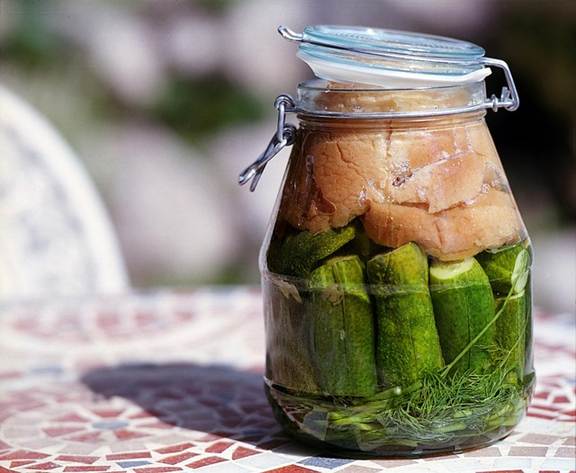
Clear, repeatable practices reduce the risk of choosing what not to ferment, especially when considering the safety and quality of fermented foods.
These guidelines help you evaluate ingredients, time, and budget.
Start Clean
Sanitize every vessel, lid, weight, airlock, hose, knife, and board with food-safe sanitizer or a boiling-water rinse. Visible clean is not microbially clean.
Work surfaces require similar attention and should be dried with disposable towels to prevent re-seeding equipment. Proper sanitation is crucial to avoid contamination by pathogenic bacteria, which can spoil your fermented foods.
Sanitation prevents rogue molds and pathogens from invading before beneficial probiotics, such as lactic acid bacteria or yeast, take over.
Wash your hands with soap for 20 seconds, then dry them well. Bring clean tongs or ladles to avoid touching brines and mash.
Dirty hands or spoons pack in off-flavor producers that can bloom quickly at warm temperatures. Make cleanliness a damn rule in your process, not a nice-to-have.
Build a simple cleaning checklist: pre-sanitize gear, wash produce, sanitize knives and boards, prepare brine, sanitize containers, close and label, clean up.
Mark off each step before you start a culture or pack a jar to maintain the integrity of your fermentation process and the health benefits of your probiotic foods.
Choose Wisely
Fermentation best practices include using only fresh, firm, undamaged inputs. Trim bruises, toss soft spots, and don’t use anything with visible mold, slime, or a rancid smell.
Poor starting quality increases the initial microbial burden and tips the competition toward spoilage.
Lay down some ground rules. For vegetables: crisp texture, no blemishes, correct variety for the style, and no soil trapped under leaves. For grains or beans: low moisture, uniform size, no insect damage.
For dairy: pasteurized when required, within date, stored at or below 4°C. Dismiss anything that misses one. Maintain an approved vendor list with lot traceability and standard specifications.
Note harvest dates, storage times, and transport conditions. If the source cannot verify basics, don’t ferment it.
Control Conditions
To maintain optimal conditions for your fermented foods, keep target temperatures for both the product and the beneficial probiotics you want.
For instance, sauerkraut thrives best at 21 to 24 degrees Celsius (70 to 75 degrees Fahrenheit). In contrast, ale yeasts prefer a cooler range of 15 to 22 degrees Celsius (59 to 72 degrees Fahrenheit), while certain lagers are happiest at 8 to 15 degrees Celsius (46 to 59 degrees Fahrenheit).
Above 30 degrees Celsius (86 degrees Fahrenheit), many starters stall and spoilage organisms take over. Add salt and acid using proven formulas. Sauerkraut requires 2.25 to 2.5 percent salt by vegetable mass to inhibit mold and maintain texture.
Track pH with a calibrated meter and shoot for below 4.6 for safety. Finish kraut around 3.4 to 3.6. If pH drops too slowly, check temperature, salt rate, or starter viability. Control oxygen to fit the process.
Use airlock jars for anaerobic lactic ferments and vented or open systems when the culture requires oxygen. Press vegetables under brine to eliminate air.
Standardize inoculation.
This could be a defined starter culture, adding in a SCOBY, back-slopping from a fresh, clean batch, or wild fermentation.
Keeping detailed records of your fermentation process is essential. Document lot numbers, inoculation ratios, timing, and other variables such as temperature, salinity, pH, aroma, and appearance to gain valuable insights.
Also, note any surface yeast, softness, or sulfur notes to help you refine your fermentation techniques.
If you detect sharp solvent smells, pink films, or fuzzy growth, pause and reassess your controls. Ensuring the right conditions for your fermentation processes will help you achieve the potential health benefits associated with consuming fermented products.
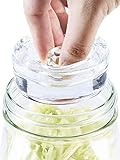
- High Quality Materials—Our food-safe glass is lead free and non-porous so it never absorbs food odors, flavors, or colors.
- Innovative Design—our smart bulge handle design makes it easy to take these weights out of your Mason Jars and offer a much more stable solution than other grooved weights.
- Excellent Unversal Fit—Fits perfectly with typical wide-mouth Mason Jars, making them just right for small batches of fermented veggies and improving the entire lacto-fermentation process.
- Studry And Effective –Large and heavy enough to keep vegetables submerged below brine for best results of fermentation—better than DIY weights effective than DIY weights.
Last update on 2026-10-31 / Affiliate links / Images from Amazon Product Advertising API
How to Recognize Spoilage
Identifying spoilage early prevents food poisoning and safeguards your gut health. Spoilage occurs when harmful bacteria take hold, often due to insufficient salt, too much oxygen, or unsafe temperatures.
Cultivate instincts that align sight, smell, and feel with established benchmarks, then discard any batch that fails to meet those standards.
By Sight
Use transparent, food-safe glass so you can see the entire jar, not just the top. Odd colors such as neon greens, pinks, or black spots indicate contamination.
If you see fuzzy mold of any color anywhere on the brine, lids, or weights, toss.
Slime sheets on vegetables or a ropy surface in dairy ferments indicate spoilage, not healthy lactic acid activity. Foam or bubbles are OK; active fermenting emits CO2.
A dense, stubborn foam cap, particularly with off colors or films, indicates over-fermentation or contamination.
Separation might be normal in kombucha or kefir, but curdled layers with gray streaks require caution. Foreign particles, such as dust, hair, insects, or plant debris, jeopardize safety, so toss it.
Record all problems. Photograph molds, colors, brine clarity, and gas pockets.
Build a picture library to educate yourself or a crew and to normalize what gets rejected.
By Smell
Get in tune with the ‘house profile’ for each item. Sauerkraut ought to smell clean-sour and green-vegetal. Kimchi should be sharp, garlicky, and chili-forward.
Kefir is yeasty and tangy. Kombucha has a vinegar-like scent with subtle fruit notes.
A pungent odor, such as putrid, sulfuric, or solventy, can indicate spoilage or dirty equipment. Context is everything. Some ferments smell strong but harmless; think high-garlic kimchi or matured fish sauces, so compare them to your familiar standard.
If a batch takes on a new, foul smell, turn it down. Build smell checks into your daily or per-shift routine: crack the lid, waft, log notes.
Taste in small quantities only if the smell tests normal. If it tastes strongly sour, bitter-metallic, or rotten, do not.
Store at stable temperatures, typically 18 to 22 degrees Celsius for many veggie ferments, and refrigerate finished goods. Warm, extended room-temperature holds increase risk.
By Texture
Understand the destination point. Cabbage ought to remain crisp-tender, not mush. Cucumbers transition rapidly from snappy to pulpy in low salt or high heat.
Exopolysaccharide-producing contaminants or spoilage, particularly in vegetable and dairy ferments, are often characterized by sliminess, stringy pulls, and sticky surfaces.
Monitor texture daily at first, then at established intervals. Consider crispness, solution thickness, and sediment flow. Benchmark against your standards for each product.
If you can sense slime on top, ropey strands in liquid, or a gummy mouthfeel, chuck it. Keep a simple checklist: date, temperature, salt percentage, visual note, smell grade, texture grade, taste status, action taken.
Rethinking Fermentation Boundaries
Fermentation informs diets, preserves precious harvests, and delineates taste while also drawing boundaries.
Some fermented foods remain poor candidates because of toxin load, low acidity potential, or dangerous microbes that can affect gut health and food safety.
Cultural Context
Communities ferment what they have, using local resources like Arctic fish, Balkan cabbage, and East Asian soy. This practice of creating fermented foods reflects both local ecology and expertise.
In several regions, long-term dairy ferments rely on indigenous milk bacteria and can last from three to twelve months, producing preservative lactic acid only when temperature, pH, and salt concentrations align with optimal microbiological requirements.
Honor the fermentation process, not just the recipe. Factors such as salt percentages, vessel form, and temperature determine whether a vegetable brine remains lactic or veers toward spoilage.
Reducing salt to meet health goals may compromise microbiological safety, so any formula modifications should use a control scheme rather than mere speculation.
Cross-border learning yields benefits. For instance, tempeh illustrates how fermentation can reduce antinutrients, like lectins, in soybeans by up to 95%, effectively transforming a harsh raw material into a staple food.
Keeping detailed records of procedures, inputs, and outcomes can help transfer knowledge into education or small businesses, preserving traditional methods alongside local production.
However, fermentation has its limits for certain individuals. Those who are immunocompromised, pregnant, infants under one year old, or have histamine issues are at a greater risk.
It is essential to clearly label fermented products, recommend storage at or below 4°C, and enforce a discard rule based on the food’s texture, smell, or visible mold.
Advanced Techniques
New tools push safe frontiers for risky substrates. Defined starter cultures outcompete spoilage organisms. Programmable chambers maintain constant temperature.
Continuous pH and aw measurement confirm acidification curves.
Tight control variables. Follow pH drop rates, brine salinity by mass (g/100 g), redox potential, and dissolved oxygen.
Confirm with challenge tests to known pathogens for low-acid vegetables, seafood, or new plant proteins.
Begin with a pilot, prove it, then grow. Pilot batches, duplicate runs, and third-party lab results guard teams and customers.
Post protocols, failure modes, etc., with peers or with your org to raise standards and minimize dangerous copycats.
| Aspect | Traditional practice | Modern practice |
| Microbes | Native microbiota | Selected starters, adjunct cultures |
| Control | Ambient temp, sensory checks | Controlled temp, pH logging, aw meters |
| Salt use | Taste- and season-driven | Salinity by weight, safety targets |
| Safety proof | Heuristics, lineage | Hazard analysis, validation data |
Home vs. Commercial
Commercial plants do HACCP, traceable sourcing, and in-line monitoring. They maintain salt, temperature, and pH within safe margins, limit contamination, and meet regulatory requirements.
Home setups face gaps: variable produce quality, no calibrated meters, and inconsistent cooling. Embrace what you can miniaturize: a digital scale for 2 to 3 percent salt by weight, pH strips or a meter, pristine brine, airlocks, and cold storage after acidification.
Write clearly. Write the date, jars, ingredients, salt percentage, and storage instructions.
Mention risks for vulnerable populations, and note that reducing salt increases risk, so shorter ferments or refrigeration become mandatory.
Preservation is the objective, but certain microbes heighten danger. Be aware of foods that are “no fermenting” at home and leave it to the commercial guardians.
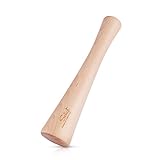
- Safe And Durable: Our kraut pounder is one solid piece of food grade beech wood, making it not easy to crack and split and non-toxic into food.
- Heavy and Effective: Strong enough to pound cabbages or other pickle veggies out juice and tightly pack them into crocks and jars for best fermentation- faster and easier than hands and spoon.
- EXCELLENT UNIVERSAL FIT: Well-designed 2 ends size allow it fit perfectly into wide and regular mouth mason jars, as well as fido style jars and ceramic fermentation crocks.
- Alluring Design and Shape: Finished in ideal length 12″, neither too long waste space nor too short scrape knuckles. Comfortably hold it thanks to the specially curved shape.
Last update on 2026-10-31 / Affiliate links / Images from Amazon Product Advertising API
My Personal Fermentation Philosophy
This philosophy guides what I choose to ferment, what I skip, and how I judge risk, flavor, and nutrition in everyday practice.
I begin with food safety, gut health, and quality. I employ clean utensils, non-iodized salt, and glass jars with headroom. I record elapsed time and ambient heat with a note on the jar.
If the room hovers around 21°C (70°F), the microbes will take over.
Within a day or two, I anticipate signs of life—tiny bubbles, gentle gurgles, even the occasional bit of brine sneaking out. By day three, the flavor ought to turn crisp and slightly vinegary.
No work action. I re-evaluate salt rate, chopping size, or heat. I don’t ferment high-protein, low-acid foods without a well-tested method.
Meat, fish, and dairy require tight controls. We don’t see botulism in veggie ferments, but we can in anaerobic protein ferments. I avoid low-acid vegetable medleys heavy with garlic and oil in sealed jars unless I acidify or refrigerate from the start.
I rely on science but remain flexible.
When new information or norms come out, I adjust my technique. I monitor pH, targeting under 4.0 for safety on vegetables, observe salinity at 2 to 2.5 percent by mass for most krauts and pickles, and document texture changes.
Fermentation can slice anti-nutrients as well.
With greens and some roots, lactic acid bacteria help diminish oxalic acid, which can aid mineral absorption. Yet I pair the process to the plant.
Soft fruits collapse and develop yeasts quickly. I like them in quick pickles or chilled ferments that I scarf down fast.
I welcome white mold, known as kahm yeast, as a surface cleaning. I just scrape it, refresh the brine, and move on if it smells fine.
Fuzzy colors, rancid notes, or slimy threads are a hard stop.
I honor ancient techniques but run mini-experiments to improve them.
My inaugural batch of sauerkraut turned mushy and taught me to weigh salt, pack tighter, and keep cooler. My sourdough experience took months to produce a respectable loaf. The lesson was to feed, monitor rise times, and bake to color.
One of fermentation’s many charms is its flexibility. I bound that freedom with a few checks: measure salt, keep submerged, and taste daily.
Flavor should lean bright by day three, not flat or harsh. If it tips awry, I turn it, cool it, brine it, or jar it.
I post logs, ratios, and fails so they can learn faster. When we exchange tips, we expand the comfort zone and preserve the magic.
Our Conclusion
To sum it up, safe fermenting begins with wise choices and wise actions. Forget about meat, fish, raw milk, low-acid vegetables without salt, and anything with a lot of fat or sugar.
They create danger. Microbes move quickly. Toxins accumulate. PH and salt assist, but not for all foods.
So, keep gear clean, use fresh stuff, and try brines. Track pH. Keep an eye on temp. Take notes. A small log trumps a guesstimate. Throw away jars that pop weird, smell funny, appear slimy, or have fluorescent mold. No saving.
To cultivate your talent, begin with cabbage, carrots, beets, or chilies.
Experiment with short ferments, say, 3 to 5 days, then taste and learn. Share your successes and flops.
Have a jar you’re not sure about? Leave a comment or consult an expert.

Last update on 2026-10-31 / Affiliate links / Images from Amazon Product Advertising API
Frequently Asked Questions
What foods should not be fermented at home?
Avoid fermenting meat, fish, raw dairy, eggs, or cooked starchy foods like rice or potatoes because they carry a higher risk of pathogens. Instead, focus on fermented vegetables, fruits, legumes, and grains, using tried-and-true recipes for safe food preservation.
Why are meat and fish risky to ferment?
Meat and fish can harbor harmful bacteria, such as Clostridium botulinum, making rigorous controls essential. Without proper pH, salt, and temperature management, fermentation can allow toxins to develop, so professional techniques and monitoring are essential.
Can I ferment cooked rice or potatoes?
It’s a no-no. Cooked starches foster Bacillus cereus and other spoilage bugs, which can create toxins even when reheated. For a healthier option, consider fermented foods like injera or dosa batters, using well-identified starter cultures for natural fermentation.
Are there dairy products I should not ferment?
Raw milk and unpasteurized cream are too risky for home fermenting. They can harbor pathogens. Opt for pasteurized milk, trusted starters, and tested recipes for yogurt, kefir, and cheese. Manage temperature and hygiene with care.
How do I know if my ferment is unsafe?
Warning signs of spoiled fermented foods include a slimy texture, strong rotten or chemical odors, mold with pink, black, or fuzzy colors, or a rising pH (less sour). When in doubt, pitch it. Good fermented products smell deliciously sour and appear uniform.
What temperatures keep fermentation safer?
For most vegetables, 18 to 22 degrees Celsius is ideal for fermentation. Cooler temperatures help prevent spoilage, while a water lock or tight lid keeps oxygen out and enhances preservation. Use an appropriate salt concentration of 2 to 3 percent by weight, and test pH, aiming below 4.6, ideally 3.5 to 4.0, for optimal gut health.
Can I experiment beyond traditional ferments?
Sure, safely start with small batches of fermented foods, use starter cultures, and document results while monitoring salt, temperature, and pH. Avoid high-risk foods like meat and eggs.


One Comment