

Fermented Pickles for Gut Health: Easy Homemade Recipe and Fermentation Tips
Key Points
- While traditional pickles are made with vinegar, fermented pickles use lactic acid fermentation, producing natural probiotics like Lactobacillus and a unique, complex, tangy flavor. Daily consumption can aid digestion, nutrient absorption, and a balanced gut microbiome.
- Real fermented pickles retain more vitamins and enzymes, including vitamins C and K, as well as antioxidants. Fermentation can enhance nutrient bioavailability, especially when starting with fresh cucumbers and herbs
- As gut health supports immune function and cognitive sharpness, probiotic pickles help reduce infections and improve mood. The benefits are even better if you combine pickles with other ferments like sauerkraut or kimchi.
- Successful fermentation requires a clean, oxygen-free environment, non-iodized s,alt and filtered water. Submerge cucumbers with weights, store at 16 to 24 degrees Celsius, and let bubbles and cloudiness be good news.
- Use 2 tablespoons of salt per liter of brine, add tannin-rich leaves for crispness, and avoid common mistakes: mushy pickles or surface mold. Skim harmless white film but toss any fuzzy, moldy, rotten-smelling batch.
- Refrigerate finished pickles in their original brine in tightly sealed glass jars. Mark them with dates and ingredients. Try to eat them within a couple of months for maximum crunch and probiotic benefit.
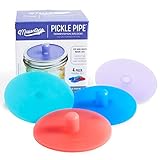
- EASIEST MASON JAR FERMENTING AIRLOCK: These premium quality self burping ferment caps have a one way waterless valve to vent gas automatically while home fermenting vegetables. This simple one-piece airlock requires no water, burping or maintenance.
- FOOLPROOF FERMENTATION: Fermenting veggies is tricky without the right pickling supplies and equipment. Strong pressure presents & can blow off the cover or even burst the glass. Open air can spoil the ferments so our own-way valve prevents spoilage.
- MAKE PROBIOTIC-RICH FOOD AT HOME: Ferment your own sauerkraut, pickles, kimchi & more. Pickle Pipes can ferment any vegetable from cabbage to carrots, cucumbers, tomatoes, garlic, radishes & more. Get your probiotics economically & naturally at home!
- LOW PROFILE DESIGN: Our waterless pipe system is comprised of a low-profile lid that makes storage easier. Our silicone airlocks valve design take up less space and allow you to conveniently store your fermenting vegetables in cupboards and drawers.
- FOOD & DISHWASHER SAFE: Your Pickle Pipes are made of premium quality food-safe silicone. They are BPA-free & contain no phthalates, but are tough and durable and easy to clean. They can go into your dishwasher along with your wide mouth mason jars.
Last update on 2026-10-31 / Affiliate links / Images from Amazon Product Advertising API
Fermented pickles are cucumbers preserved in a salty lactic acid brine created by the conversion of sugars by lactic acid bacteria.
They’re deliciously sour, crisp, and just a little funky, with a cloudy brine that shows they’re live.
Fermentation requires non-iodized salt, clean jars, aa nd consistent temperature of about 20 to 22 degrees Celsius. Anticipate bubbles, some whitish film, and tang that increases each day.
Make smart decisions: the core character comes from brine proportions, durations, seasoning adjustments, and secure packaging.
Why Fermented Pickles?
Fermented pickles and vinegar pickles are different in both process and outcome. Instead of using acetic acid from vinegar for instant sourness, they rely on lactic acid fermentation.
Salt brine favors Lactobacillus that convert sugars to lactic acid, lowering pH, building complex flavor, and preserving cucumbers without artificial preservatives.
The flavor is tangy, layered, and sometimes fizzy. More than a few people like it that way, plus the added crunch. For good reason: one fermented food that’s getting the world’s attention is kosher dills, and Hungary’s sun-fermented kovászos uborka, whose smell can waft across entire neighborhoods.
It takes a few days, with bubbles, cloudiness, and color shift as trusty indicators of fermentation in action. For many home cooks, it is much easier than hot-vinegar canning.
1. Gut Health
Fermented pickles contain live probiotics, primarily Lactobacillus plantarum and cousins, that inoculate and nourish your gut microbiome.
These strains persist in brine and help flush out bad bacteria by producing lactic acid, bacteriocins, and precursors to short-chain fatty acids.
With consistent consumption, many people notice more regular digestion and improved nutrient absorption. A spear with lunch, a couple of coins on grain bowls, or a mini plate alongside eggs delivers a dependable punch without the salt overload.
They snack well. Try a rye crisp topped with hummus and chopped dill pickles, or a tangy spear alongside your yogurt to harmonize flavors and boost microbes!
2. Nutrient Boost
Real fermented pickles preserve more heat-sensitive vitamins and enzymes than many vinegar and heat-processed varieties. You get vitamin K, some vitamin C, potassium, and plant antioxidants from skins and herbs.
Fermentation can increase bioavailability by degrading phytates and weakening cell walls. This means your body can absorb minerals more efficiently.
Use fresh, firm cucumbers, dill, garlic, and even grape leaves, as their tannins help preserve crunch and nutrients.
3. Immune Function
A strong gut community educates the immune system and can reduce typical infection risk as one component of a diverse diet. Lactic acid is antimicrobial and controls spoilage organisms throughout the jar.
Stack in garlic, dill, mustard seed, and black pepper. Garlic’s allicin and dill’s phytonutrients provide immune boosts.
4. Antioxidant Properties
Fermented pickles provide antioxidants that alleviate oxidative stress, a factor in many chronic problems. Your blend can include dill fronds, garlic cloves, grape leaves, and peppercorns for a wider variety.
Switch up the veggies—carrots, radishes, green beans—to increase flavonoids and carotenoids. Bite-size, frequent servings are fabulous across meals!
5. Mental Clarity
A happier gut can fuel clearer thinking and a steadier mood through the gut-brain axis, where microbial metabolites communicate with the nervous system. Pickles are a quick, brain-friendly study or work snack.
Or pair with sauerkraut or kimchi in a salad for some diverse microbes. They work well on grain bowls with feta and herbs, or even in a Bloody Mary for the salty depth and crunch so many people love.
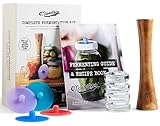
- MASONTOPS COMPLETE MASON JAR FERMENTATION KIT: Includes all the tools needed to turn your ordinary wide mouth mason jar into a fermenting machine! This home fermentation kit converts 4 jars into fermenters for making nutritious homemade sauerkraut, kimchi, pickles, hot sauce and more!
- 9 PC FERMENTATION STARTER KIT INCLUDES: 4 Pickle Pipe fermentation lids for wide mouth mason jars, 4 Pickle Pebble fermentation weights wide mouth mason jars, 1 Acacia Pickle Packer Vegetable Tamper and Bonus Printed Recipe Book. Become a probiotic vegetables maker and pickling pro with the best supplies and equipment from the #1 source.
- MAKE YOUR OWN DELICIOUS PROBIOTIC SUPERFOODS: Ferment vegetables (carrots, pickles & radishes etc.) in a brine or use your acacia wood pounder to pack tasty dry salted ferments like sauerkraut, kimchi and hot sauce. All with your lacto fermentation kit. Good stuff for your tummy and immune system!
- EASY TO USE AND MAINTENANCE FREE: Fill jars with veggies and salt or brine, add sauerkraut weights & mason jar airlock fermenting lids. No need to monitor or burp your jars, your Pickle Pipe airlock for fermenting vents gas without letting oxygen in. Your easy fermenter fermentation kit!
- FROM THE MASON JAR ACCESSORIES EXPERTS: Making your own fermented foods is fun and easy when you trust the Masontops name. Step-by-step instructions with beautiful pictures on how to easily make probiotic superfoods at home with this ball fermentation kit are included.
Last update on 2026-10-31 / Affiliate links / Images from Amazon Product Advertising API
The Fermentation Process Explained
Cucumbers become sour pickles through lactic acid fermentation, not a vinegar soak. Natural fermentation relies on salt brine and time.
Sugars diffuse out of the cucumbers. LABs convert them to lactic acid. The pH drops fast in the first 15 days.
Titratable acidity rises, and texture firms as cells lose water and bind pectins. Vinegar pickling bypasses this biology by adding acid at the start. It preserves, but it does not create flavor strata in the same way. Salt is central here.
It draws moisture, lowers water activity, slows spoilage microbes, and gives LABs room to grow. About 1 to 4 weeks at 16 to 24 degrees Celsius, and it’s done when the sour tastes right.
The Science
LABs ferment cucumber sugars via glycolysis and produce lactic acid as the predominant end product, with minor compounds such as pyruvate and putrescine made as side products. Quantities vary over time, temperature, and the LAB mix.
This rapid pH drop in days 1 to 15, and quick rise in titratable acidity, generate the preservative barrier and the bright, clean tang. Fermentation is done in the absence of oxygen.
Air brings molds and aerobic bacteria. Juice-soaked pickles and LABs’ CO2 create a protective blanket. You’ll notice bubbles and cloudiness, which are both standard signs of action.
Crispness is attached to pectin integrity and calcium bonds, and salt and acid contract plant cells. This acid profile, mostly lactic, creates the soft, rounded tang, while acetic acid in vinegar pickles produces a sharper note.
| Stage | Time window | Key activity | Observable signs |
|---|---|---|---|
| Lag | 0–2 days | Salt draw, oxygen purge | Brine clears, slight bubbles |
| Active acidification | 3–10 days | LAB growth, pH drop | Cloudy brine, steady fizz |
| Stabilization | 11–15 days | Peak acidity, salt equilibrates | Slower bubbles, firm texture |
| Maturation | 16–28 days | Flavor rounding | Stable sour, subtle aroma |
The Bacteria
Lactobacillus is the powerhouse. It tolerates acid better than most lactic species, so it can drive fermentation to completion when others falter.
As acidity increases and salt remains consistent, mesophilic aerobic counts drop. LAB counts partially spike, then plateau as nutrients decrease. This change maintains the safety of the brine.
Each batch chooses its own consortium based on cucumber type, water, and temperature, so flavor complexity varies. Utilize unchlorinated water and non-iodized salt.
Chlorine inhibits LABs, and iodine can upset microbial balance and texture.
The Environment
Keep gear clean and brine oxygen-free to prevent mold. Fermentation weights keep cucumbers under brine, and airlock lids vent gas.
Shoot for 16 to 24 degrees Celsius (60 to 75 degrees Fahrenheit) for a reasonable pace. Warmer temperatures reduce time but endanger softness.
Check daily, skim the surface layer, and push floaters under. Anticipate an early pH drop and increased titratable acidity, along with a significant brine salt reduction around 15 days, particularly at 5% salt with small gherkins.
Watch for bubbles and haze as signs of life. Taste starting at week one and stop when the sour suits.
How to Make Fermented Pickles

What: Saltwater fermentation of cucumbers with spices.
Why: Lactic acid bacteria create tang, preserve texture, and add complexity.
Where: Any clean kitchen with room-temperature storage.
How: Choose fresh produce, mix a precise brine, pack tightly, keep submerged, and ferment within a safe temperature window.
Essential Equipment
- Glass jars (0.5–1 L) with tight lids. Glass is odor- and leach-resistant, better than plastic.
- Fermentation weights, small scrubbed stones, or a small zip-lock bag filled with water also work.
- Airlock lids or Fermentools-style systems are optional for simpler gas release and less monitoring.
- Nonreactive bowl and a clean funnel.
- Mandoline slicer (optional) for even slices.
- Fine-mesh strainer, measuring spoons, and a digital scale.
- Clean cutting board and paring knife.
Choosing Ingredients
Pickling cucumbers, not large slicing varieties, provide the best snap. Select firm fruit without any soft spots. Rinse thoroughly, then snip 1/16 inch off the flower end to remove softening enzymes.
Use kosher or sea salt with no anti-caking agents. Fine sea salt dissolves quickly and weighs accurately.
For traditional New York–style tones, toss in some garlic cloves, fresh dill heads or fronds, grape leaves, and black peppercorns. Grape leaves bring tannins for crunch.
Build your own profile: mustard seed, coriander, bay, chili flakes, ginger, or a few carrot sticks or green beans in the jar. Begin with modest amounts. Spices flourish in fermentation!
Step-by-Step Guide
- Wash jars and tools in hot, soapy water, then rinse well. For extra crispness, chill cucumbers in ice water for 15-30 minutes.
- Make the brine: For a safe 3% solution, dissolve 1 tablespoon of fine sea salt in 4 cups of non-chlorinated water, or 1 1/4 teaspoons per cup. Filtered or distilled water bypasses chlorine.
- Pack tightly: layer cucumbers, garlic, dill, peppercorns, and a grape leaf into sterilized jars, leaving 2 to 3 centimeters of headspace.
- Brine to cover. Place a weight on top to keep all solids submerged. A water-filled zip bag works perfectly in odd spaces.
- Close with a lid or airlock. Ferment somewhere around 16 to 21 degrees Celsius (60 to 70 degrees Fahrenheit) in a cool, dark location such as a cupboard.
- Timing: Half-sour in 3 to 5 days. Full-sour in 8 to 10 days. Look for bubbling and a cloudy brine. Taste every day.
- Once the flavor is good, transfer to the fridge at 0 to 10 degrees Celsius (32 to 50 degrees Fahrenheit). They will keep for 6 months.
The Perfect Brine
Aim for 2 tablespoons of salt per quart (about 30 grams per liter), or keep it at 3% by weight for consistency.
A 3.5% concentration (9 grams per cup) produces a firmer, saltier taste. Filtered or distilled water protects lactic acid bacteria from chlorine and chloramines that can inhibit fermentation.
Include tannin-rich grape or oak leaves to keep pectin intact and prevent the pickles from getting mushy.
Keep all solids submerged under the brine. Any contact with air invites mold or Kahm yeast. If brine drops, top up with the same salt ratio.

- SET OF 3 – Large wide-mouth Funnel/Small wide-mouth Funnel/Strainer
- PERFECT CANNING KIT – Great for filling various wide mouth and regular mouth jars like mason jars to Transfer Jam,Spices,Sugar, flour, grains like Bean etc
- UMBRELLA STRAINER – Unique aided Strainer fits the funnel perfectly. It can easily used for various food residues.
- STAINLESS STEEL – No rusting, food grade material, dishwasher safe. Compared with plastic funnels, stainless steel funnels can adapt to hot and cold food, which is more durable,healthier and safer.
- EASY TO STORE – They can be stacked together that make you to keep your kitchen neat and clean.
Last update on 2026-10-31 / Affiliate links / Images from Amazon Product Advertising API
Avoiding Common Fermentation Pitfalls
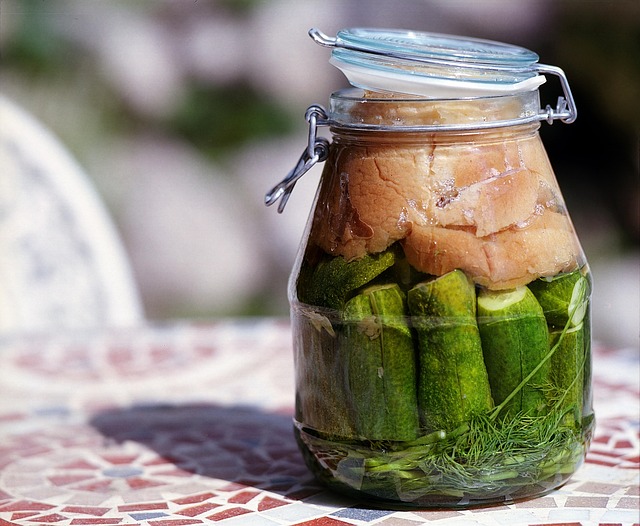
Fermented pickles live on clean tools, balanced brine, and steady temperature. Use purified water, non-iodized salt, fresh, firm cucumbers, and keep everything under brine. Vent gas if you use airtight lids.
Keep the temperature between 18 and 22 degrees Celsius for a slow, clean ferment, and check every day.
Mushy Pickles
Soft pickles mean overripe cucumbers, late brining after harvest, high heat, or a weak brine. Old, bruised, or waxed cucumbers disintegrate quickly.
Cut off blossom ends 2 to 3 millimeters to remove pectin-degrading enzymes. Select crisp, small-to-medium cucumbers with tight skins.
Pack with tannin sources to slow softening: add grape, oak, black tea, or cherry leaves (1 to 2 leaves per 1 L jar). Utilize purified water and non-iodized salt, as iodized salt may interfere with the microbes and the texture.
Target 3.5 to 5 percent salt by weight (35 to 50 grams of salt per 1 liter of water). Low salt welcomes softening and spoilage. Too high stalls lactobacilli.
Ferment cool at 18 to 22 degrees Celsius. Heat accelerates pectin loss. Begin tasting on day 3 to 4 for spears and on day 5 to 7 for whole fruit. If still soft after strengthening brine and cooling the jar, discard. Texture seldom recovers.
Surface Film
A dull, white film with a matte, flat, powdery appearance is usually kahm yeast. It smells neutral to slightly yeasty and rests like a skin on the brine.
It is basically harmless, although it can impart flavor if left. Skim with a clean spoon, top up with fresh 3.5–5% brine, and continue if the smell is normal.
Submerge all pieces under a weight. Any floaters are beckoning yeasts. Airlock your jars or seal with a gas-venting lid and don’t open them all the time.
If growth is fuzzy, raised, or blue, green, black, or pink, or smells sharp or musty, throw out the batch. Mold means the top stayed in contact with air.
Prevent this with purified water, non-iodized salt, and tight packing to exclude oxygen.
Unpleasant Odors
Sour, tangy, or garlicky smells are fine, particularly in the early days. Putrid, rotten, ammonia, or solvent-like notes indicate spoilage from contamination, incorrect salt, or heat stress.
If you’re unsure, toss it! Then reset: scrub jars, lids, weights, and tools. Wash with hot, soapy water, rinse well, and sanitize.
Just swap in purified water and non-iodized salt. As with any fermentation, brine fresh, firm cucumbers quickly after harvest, and keep all pieces submerged below the brine.
Keep salt at 3.5 to 5 percent, maintain 18 to 22 degrees Celsius, and let the gas vent. Check daily: clear brine, rising bubbles, and a clean sour smell mark a healthy ferment.
If brine turns viscous, smells off, or veggies float, amend or compost.
My View: Beyond Classic Dill

The sour is from lactic acid, not vinegar, so the flavor is well-rounded, bright, and complex. Most of us change sides after a single real ferment; I did, and I refresh grandma’s recipes with safer salt levels and cleaner techniques.
Healthwise, fermented and vinegar-pickled aren’t the same. Live ferments can harbor beneficial gut bacteria, and vinegar-pickled items are shelf-stable but typically not probiotic. If you venture into new courses, watch water cleanliness. High chlorine, iron, lead, or trace minerals can stall or skew a ferment.
I’m not a fan of classic dill; I’m sorry, but many makers select Diamond Crystal kosher salt for consistent salinity and clean taste.
Global Flavors
In fact, New York–style half-sours maintain their crisp snap with a brief, cool ferment. Korean kimchi adds lactic tang, heat, and funk from gochugaru and alliums. German sauerkraut shows how cabbage, time, and salt can create deep umami.
These are inroads to a world map dotted with achar, curtido, and Tibetan gundruk.
Add turmeric for earth and gold color, cilantro stems for citrus notes, or hot peppers like jalapeño, serrano, or bird’s eye for quick heat. Whole spices travel well across styles.
Cumin, coriander, and fenugreek change the base in small, clear steps.
Popular brands and shops: Bubbies, Cleveland Kitchen and Wildbrine (supermarket ferments). Heatonist (spicy pickled limes), Zingerman’s (gourmet grocer), Katz’s (NYC deli jars). Farmstand makers at local markets with seasonal small-batch runs.
Suggested comparison table (build your own):
- Rows: cucumber half-sour, kimchi (napa), sauerkraut, achar (mango), curtido
- Columns: salt percentage, heat level, primary acids, texture, typical time, key aromatics
Creative Spices
Begin with mustard seeds, black peppercorns, bay leaves, and dill seed. They provide base notes and structure.
Mix dill and garlic with green cardamom, star anise, or smoked paprika for a bespoke kick. A pinch of ground turmeric adds color, and red pepper flakes provide a clean, steady burn.
Keep a log of vegetable, salt percentage, water source, spice grams per 1 liter brine, and day-by-day notes.
Little changes add up over time.
Vegetable Variations
Go beyond cucumber. Carrots stay crisp, beans get snap, onions soften, and cauliflower absorbs spice well. Mix colors: carrots, purple cabbage, and green beans in one jar look sharp and taste bright.
Use leftover produce to cut waste. Trim, rinse, and jar random bits into snack-size ferments for the week. Tweak brine and time.
Firmer vegetables such as carrots do better at 2.5 to 3.0 percent salt and 18 to 22 degrees Celsius for 5 to 10 days. Softer ones might rest at 2.0 to 2.5 percent salt, cooler temperatures, and shorter ferments. Don’t forget to taste as you go.
If water is chlorinated, let it off-gas or filter it; bad minerals can derail the culture.
Storing Your Fermented Pickles
Storing your homemade pickles the right way preserves their flavor, texture, and healthy probiotics. Transfer finished jars to a cool place, keep them fully covered with brine, and use nonreactive equipment that will not leach or rust.
Label jars with dates and ingredients to track peak flavor and troubleshoot later.
Refrigeration
Once your pickles taste right to you, shift jars to the refrigerator. Cold slows the lactic acid bacteria, locking in the salt balance and acidity where you want them. This inhibits a sharp, sour creep and helps seal in a crisp, bright profile.
Refrigeration preserves shelf life and maintains crispness. Any batch will keep for many months in a stable 0–4°C fridge, sometimes much longer, though crunch and aroma are generally most vibrant within the first three to four months.
Just be sure to store your pickles covered, submerged in their original brine. This will keep them moist, salty, and oxygen-free.
Seal jars tightly to prevent cross-odor issues from onions, fish, or cheese. A solid, nonreactive lid with a silicone seal works better than an airlock.
Maintain minimal headspace, pack spears or coins tightly, and fill with brine as needed.
Glass jars with plastic or coated lids keep off-flavors and corrosion away, not bare metal. Fridge space is tight in most homes, so keep daily-use jars in the fridge and move your bulk to colder, long-term storage.
Long-Term Storage
For large batches or gallon jars, opt for cold storage such as a root cellar, basement fridge, or unheated room that remains close to 0 to 10 degrees Celsius.
Many producers store pickles in the same glass container they fermented in, replacing an airlock with a storage lid. Opt for solid, nonreactive vessels.
Glass jars or food-grade ceramic crocks with plastic or other inert lids retain flavor and keep pickles safe. Check jars regularly: monthly for aroma, clarity, and texture. Look for mushiness, yeasty films that won’t clear, or off smells.
Store all solids submerged under brine, and top with clean 2–3% salt brine if the level drops. Heavy jars are no joke. Store them on low shelves, in sturdy racks, and always lift with both hands or a crate.
Freezing the brine, or even the pickles, is an experimental route. Texture softens post-thaw, but flavor remains. Small test bags first. In reality, your fermented pickles will keep a year or more in consistent cold, but for peak crunch and probiotic kick, aim to consume within a few months.
Our Conclusion
Beyond their bright bite and real crunch, fermented pickles bring live cultures that support gut health. Salt brine protects the cucumbers. Lactobacillus bacteria do the heavy lifting.
Time forms the sourness. Follow the directions for proper containers and a pure taste. Small twists make new flavors sing. Imagine garlic chips, mustard seed, or mild chili.
Swap in carrot sticks or green beans if cucumbers are out of season.
To keep them crisp, use fresh produce and a 2-3% salt brine. Keep veg submerged under brine. Quickly skim foam.
Refrigerate as soon as the sour has hit your sweet spot. Mark jars with date and salt level. Follow your favorites.
Need a next step? Take a 1-liter test batch this week, log your brine, and share your notes with a friend.
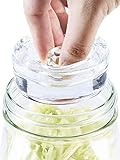
- High Quality Materials—Our food-safe glass is lead free and non-porous so it never absorbs food odors, flavors, or colors.
- Innovative Design—our smart bulge handle design makes it easy to take these weights out of your Mason Jars and offer a much more stable solution than other grooved weights.
- Excellent Unversal Fit—Fits perfectly with typical wide-mouth Mason Jars, making them just right for small batches of fermented veggies and improving the entire lacto-fermentation process.
- Studry And Effective –Large and heavy enough to keep vegetables submerged below brine for best results of fermentation—better than DIY weights effective than DIY weights.
Last update on 2026-10-31 / Affiliate links / Images from Amazon Product Advertising API
Frequently Asked Questions
Are fermented pickles the same as vinegar pickles?
No. They’re cured in a saltwater brine, not vinegar. Wild bacteria ferment the sugars into lactic acid, which preserves the cucumbers and develops the unique flavor of real pickles. Vinegar pickles lack this depth, as they are acidified right away and don’t depend on the fermentation process.
What salt-to-water ratio should I use for brine?
Add 2 to 3 percent salt by weight, which translates to 20 to 30 grams of non-iodized salt per 1 liter of water. This range encourages beneficial Lactobacillus bacteria, discourages spoilage, and helps retain the crunch of whole cucumbers.
How long do fermented pickles take?
At 20 to 22 degrees Celsius, most batches of homemade pickles take 5 to 10 days to ferment. Warmer rooms speed up fermentation, while cooler environments slow it down. Taste daily after day 4; when they reach that delicious tanginess and crispness, move to cold storage to slow fermentation.
How do I keep pickles crisp?
Use super fresh cucumbers for your homemade pickles. Cut off 1 to 2 mm from the blossom end, and keep the brine at 2 to 3 percent. To enhance the flavor, weigh everything down and add tannin sources like grape leaves or tea. Ferment cooler at 18 to 22 degrees Celsius for a crisper texture.
Is the white film on top mold?
Most of the time, it is kahm yeast, a phony white, thin film with a mild odor that can occur during the fermentation process of homemade pickles. Skim it off and go on; however, fuzzy, colored, or strongly smelly growth indicates mold. When in doubt, throw out the batch of your delicious tangy pickles.
Can I reuse brine for a new batch?
I would not advise it. Using used garlic and onion, mushy dill, and old brine from previous pickle recipes can compromise flavor consistency. For safety and the best pickles, go fresh and feel free to add a couple of tablespoons of active brine as a starter.
How should I store fermented pickles after they’re ready?
Store your homemade pickles in the refrigerator, fully submerged in brine, to slow fermentation and maintain their crunch. Using a clean utensil helps these delicious, tangy pickles retain their unique flavor for months.


