

Fermenting Mead: A Step-by-Step Guide to Honey, History, and Techniques
Key Points
- Mead is honey fermented with water, occasionally with fruits, spices, or herbs. It is thousands of years older than beer and wine. Expect wide variation in sweetness, alcohol content, and flavor depending on ingredients and fermentation method.
- Core ingredients drive quality, with clean, chlorine-free water and the right yeast strain influencing alcohol and mouthfeel. Focus on nutrient support since honey is deficient in nitrogen and minerals for healthy yeast.
- Sanitation is not optional from must prep to bottling, or you’ll get infected and funky flavors. Use food-grade sanitizers, keep equipment clean, and limit oxygen after fermentation starts.
- Control temperature, oxygen, and pH to generate consistent results batch after batch. Monitor gravity, temperature, and pH using tools like fermentation chambers, hydrometers, and pH meters for accuracy.
- When fermentation stalls or off-flavors appear, troubleshoot quickly by checking temperature, gravity, pH, and nutrients. Apply fixes such as gentle warming, staggered nutrient additions, or repitching with proper yeast, and record what works.
- Conclude with patient aging, clearing, and gentle back-and-forth bottling to clarity and stable sweetness. Let it ferment and cure in cool, dark conditions, and track processes and quantities for repeatable quality.

- [WHAT’S INCLUDED] This comprehensive mead making kit includes everything needed for brewing – 1 Gallon Clear Glass Jug, 3pc Airlock, Rubber Stopper, Yeast Nutrient & Mead Yeast. Perfect for both beginners & experienced brewers seeking quality results
- [EASY TO FOLLOW DIRECTIONS] Just add Honey and we’ll provide everything else! Our kits include all the essentials to brew your own honey wine in just 7 days but will improve in taste with age
- [SUSTAINABLE & REUSABLE] This 128 oz glass jug is a sustainable alternative to plastic containers, this glass jug can be reused countless times, reducing waste and your carbon footprint.
- [TRANSPARENT FOR EASY MONITORING] The clear glass allows you to easily monitor the contents, whether you’re fermenting, brewing, or simply storing liquids. So you’ll always know when your 1 gallon glass jug needs a refill.
- [OUR COMMITMENT TO YOU] At FastRack, we stand behind the quality of our products and the trust our customers place in us. Your experience matters. If your order arrives damaged or incomplete, reach out—we’ll make it right.
Last update on 2026-10-31 / Affiliate links / Images from Amazon Product Advertising API
Fermenting mead is the transformation of honey, water, and yeast into an alcoholic beverage by yeast metabolism. In practice, brewers manage original gravity, pH (around 3.7 to 4.2), and temperature (18 to 21 degrees Celsius) to support clean fermentation.
Nutrient schedules, such as staggered yeast nutrients, help prevent off-flavors and stuck ferments. Finings and racking dissipate haze and sediment.
To get you from the first batch to solid results, the following sections provide procedures, equipment lists, and schedules.
What is Mead?
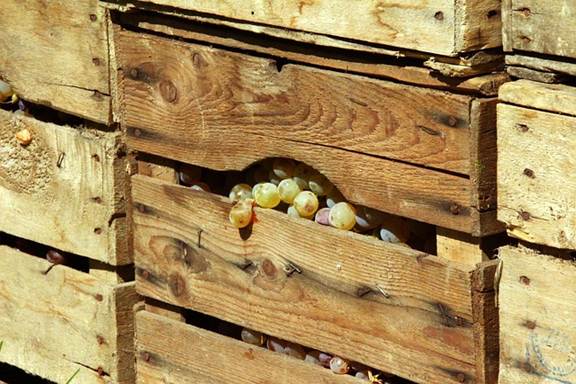
Mead is an alcoholic drink created by fermenting honey and water, occasionally with the addition of fruits, spices, herbs, or grains. It’s a fermented honey elixir—one of mankind’s earliest—preceding beer and wine by thousands of years.
The name traces to Old English meodu or medu, and further back to the Proto-Indo-European *médʰu.
Styles range from dry to sweet, still to sparkling, and light session meads at 5 to 6% ABV to more robust traditional meads over 12%.
Flavor, alcohol, and sweetness vary with honey variety, yeast selection, nutrients, and how you handle temperature and timing.
Normal primary fermentation lasts five days to a month or more, with a preferred ferment temperature around 21ºC (70ºF).
Main mead types:
- Traditional: honey, water, yeast only.
- Melomel: with fruit (e.g., berries, apples, stone fruit).
- Metheglin: with spices or herbs (e.g., cinnamon, ginger, chamomile).
- Cyser: with apple must.
- Pyment: with grape juice.
- Braggot: with malted grains.
Ancient Roots
Mead surfaces in early Norse, Greek, and Ethiopian chronicles, interwoven with life and ritual. Archaeology traces honey-based ferments more than 9,000 years old in Europe, Africa, and Asia. Pottery residue analyses reveal mixed honey, botanicals, and fruit.
It meant more than just a beverage. In sagas and epics, mead halls were home to feasts, oaths, and counsel. Greek myths depicted it as a gift worthy of deities. Ethiopian tej, with its gesho-enhanced flavor, embodied social and ritual significance.
In many cultures, mead was considered holy or noble. The “drink of the gods” moniker persisted, and gifting mead to newlyweds during the “honeymoon” represented luck and fertility.
Modern Revival
Craft beverage culture and homebrew forums have thrust mead back onto shelves and tap lists. Tiny meaderies are already bottling a range of styles for specialty shops and tasting rooms.
Makers dare to mix wildflower, buckwheat, or heather honeys, mango or blackcurrant fruits, and cardamom to rosemary spices.
Others focus on lean, dry, and sessionable meads at 5 to 6 percent ABV with zero residual sugar, perfect for casual situations.
Local honey sourcing and low-input agriculture define taste and character. Apiary collaborations, seasonal varietals, and waste-reduction strategies embody a sustainability ethos.
Core Components
- Essential ingredients: honey, water, yeast, and yeast nutrients
It’s the quality that counts. Select pure, chlorine-free water and fresh, varietal honey. Raw honey preserves the scent but requires extra sanitary precautions.
Fruits, flowers, and spices are optional ingredients that characterize types such as melomel and metheglin.
Our yeast strain selection controls our alcohol level, aroma, and finish. Neutral wine strains accentuate honey. Aromatic strains overlay esters. Beer strains fit braggot hybrids.
Control temperature around 21°C (70°F), oxygen at pitch, and nutrients to maintain fermentation vigor and prevent off-flavors.
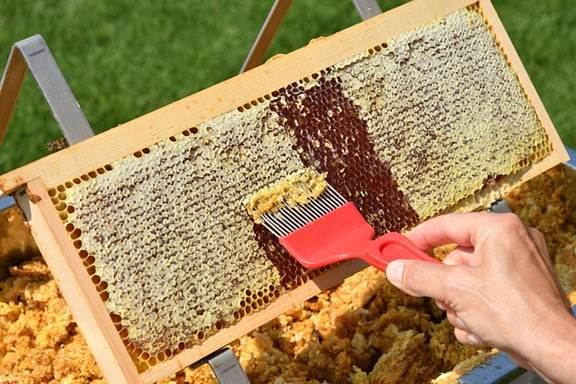
The Soul of Mead
Honey is what mead is about, with wildflower honey being a prime example.
It’s the floral fingerprint that determines aroma, color, and depth, while water, yeast, and nutrients sculpt the journey from must to bottling.
Fermentation at about 21°C (70°F) keeps yeast happy and flavor pure, and it can take anywhere from several months to more than a year, depending on strain selection and desired dryness.
1. Honey Selection
Select raw, quality varietal honey for making mead. Wildflower honey delivers layered, shifting notes across seasons, while orange blossom honey comes off light and citrusy. Heather leans herbal with just a hint of bitter snap, and buckwheat is dark, malty, and earthy.
Acacia is pale and light in flavor, perfect for delicate mead styles.
The honey varietal defines the sweet notes, aroma, and color, all of which are crucial during fermentation. Light honeys produce straw color and a gentle floral fragrance, while darker honeys bring out melanoidin-like notes and a copper color.
Even at the same final gravity, buckwheat will taste drier than acacia due to aroma-weighted perception in your sweet mead.
Be a local source when possible. It supports regional beekeepers and connects your mead to place, like wine terroir.
Observe that mead was an occasional drink because in cold climes, even in Norway once upon a time, there were no honeybees. Mead and wine were often sipped by the nobility.
Steer clear of processed or heat-treated honey when making mead. Extra heat whisks away volatile aromatics and inhibits wild fermentation, which leads to pokey ferments.

- COMPLETE FERMENTATION KIT: Set includes 2 glass jars with 1 gallon (128 oz) capacity each, 2 stainless steel handles, 3 airlocks, 2 silicone bases, and 2 instruction manuals for mead making, wine making, and sourdough starter
- LEAK-PROOF SEALING SYSTEM: Features thickened silicone gasket, secure metal clasp, and silicone plug to ensure 100% leak-proof storage and fermentation without spills or contamination
- DURABLE CONSTRUCTION: 1 gallon glass fermenting jars made from high-quality glass with stainless steel handles for easy carrying and pouring, designed to withstand fermentation processes and long-term storage
- NON-SLIP SILICONE BASE: Each jar includes a protective silicone base that prevents slipping and scratching on countertops while providing stability during fermentation. The sides of our jars come with precise scale markings: Ml and Fl.oz, ensuring you can track your fermentation progress and accurately measure ingredients.
- GENEROUS DIMENSIONS: Measures 5.9 inches x 5.9 inches x 10 inches with 4.3 inches wide mouth opening for easy filling and cleaning, perfect for brewing kombucha, fermenting vegetables, or storing dry goods
Last update on 2026-10-31 / Affiliate links / Images from Amazon Product Advertising API
2. Water Profile
Use clean, chlorine-free water as your base. Chlorine or chloramine can impart medicinal notes. Activated carbon filters help, and chemical removers work if filtering isn’t possible.
Mineral balance is important. Moderate calcium (30–50 mg/L) supports yeast flocculation and pectin breakdown, though too much hardness can add harshness.
Magnesium should be low, but it still needs to be present. This turns mouthfeel from lean to lush.
Check pH. A pH of 3.5 to 4.2 at pitch is good for yeast comfort and microbial safety. Adjust with acid or potassium carbonate if necessary. Avoid distilled water, as it lacks minerals yeast use for metabolism.
3. Yeast Strains
Wine strains such as EC-1118 and 71B manage elevated alcohols and push clean or fruity profiles. Ale strains contribute esters at lower ABV and can leave more body.
Dedicated mead strains straddle both. Yeast selection determines alcohol level, sweetness, body, and complexity.
Wild or spontaneous ferments can work and echo ancient techniques, like mead initiated in rock caverns. Some producers maintain a house ‘starter’ to inoculate future batches.
Rehydrate dry yeast with Go-Ferm or build a liquid starter to prevent stuck ferments and keep aromatic lift.
4. Nutrient Needs
Honey lacks yeast nutrients and is mostly sugar with very little nitrogen. Important requirements are yeast-assimilable nitrogen, B vitamins, zinc, and magnesium.
Use balanced nutrient blends, such as DAP with complex nutrients, or a small amount of organic raisins as a gentle supplement. The process is similar to other ferments, like wine or Ethiopian Tej, but the honey matrix requires more support.
Stagger nutrient additions during primary: at pitch, then around one-third and one-half sugar depletion. This stabilizes growth, restricts fusels, and maintains fermentation consistently over weeks to months.
How to Ferment Mead
This is the magic of mead making that converts a honey-water must into sweet mead by controlled yeast action.
It just depends on clean equipment, consistent temperatures around 21 C (70 F), and patience through primary, secondary, and additional aging.
Sanitation
Sanitize every surface that touches your mead: fermenters, lids, airlocks, spoons, siphons, hydrometers, and bottles. Use food-grade, no-rinse brewers sanitizers prepared as instructed on the label.
Rinse only if the product specifies, and then with clean water.
Scrub visible earth first with unscented detergent, then sterilize. Have a spray bottle of sanitizer ready during transfers. Poor sanitation is the leading culprit for infections, off-flavors, and stuck ferments, so consider it a mandatory step.
Must Preparation
For 3.8 L (1 gallon), a typical base is 1.36 kg (3 lb) honey, one packet of wine yeast, and spring water to volume. Spring water assists since trace minerals promote yeast health. Eschew distilled water.
Stir until honey completely dissolves and the must is homogeneous. Set the honey container in a warm water bath, or warm the must slightly to around 30-35 degrees Celsius to help it dissolve.
Do not boil, or you lose aromas and leach off delicate volatiles.
Add fruit for melomel or spices for metheglin here if you want those profiles. Check gravity with a hydrometer and add honey to meet your desired ABV. For instance, a gravity reading of 1.090 to 1.110 typically produces a semi-dry to dry traditional mead.
Pitching Yeast
Chill the must to 18 to 24 degrees Celsius (65 to 75 degrees Fahrenheit), with 21 degrees Celsius (70 degrees Fahrenheit) as a safe middle ground.
Oxygenate either by shaking the fermenter vigorously for 60 to 90 seconds or using sterile air or oxygen.
Rehydrate dry yeast in 120 ml (1/2 cup) warm water for 15 minutes. Many mead makers sprinkle 1/2 teaspoon GoFerm into 1/2 cup water, then add yeast on top to strengthen fermentation.
A liquid yeast starter does the trick. Wild yeast can ferment mead alone, but control and predictability dip.
Pitch evenly and stir gently to distribute without splashing once rehydrated.
Primary Fermentation
Expect signs within hours to two days: bubbles in the airlock, foam (krausen), and a honey-to-bread aroma. Ferment in an airlock or loosely covered to vent carbon dioxide and keep out microbes.
Keep the temperature around 21°C (70°F). Stir or degas once daily for the first few days to keep the layers from separating and to relieve stress.
Measure gravity every couple of days. A consistent drop indicates progress.

- Mead Kit Components— Yields 1 gallon of mead. Includes glass carboy, airlock and rubber stopper, mead yeast, yeast nutrients, flavoring ingredients, funnel, 3 ft of tubing with clamp, temperature tape, One Step No Rinse Cleanser, and a step-by-step recipe guide. Simply follow the instructions and enjoy your first homemade honey wine
- Flavor- In this mead recipe we use a yeast strand that fully attenuates the fermentable sugars in 2.5lbs of honey creating a dryer mead as apposed to a sweet mead. In addition to your choice of honey, we have included a Spice Melody packet to give your mead a flavor profile of sweet orange peel, bitter orange peel, corinader and a hit of cinnamon. Let it age and your flavor profile will blossom in complexity over time
- Perfect for Beginners — New to brewing? No worries. Our straightforward recipe guide takes you step-by-step through the entire mead-making process, from mixing your must to bottling your final creation. Easy enough for first-timers, yet satisfying enough to have you coming back for more. Refill packets are available
- Foodies & Hobbyist- Whether it’s for a birthday, holiday, Father’s Day, or just because, this DIY mead kit is a unique and memorable gift for anyone who loves craft beverages, homebrewing, or trying something new
- What Makes Ours Different- Our method gently warms the honey (never boiled) to enhance flavor and support a smoother fermentation—something most basic kits skip. This helps improve flavor complexity and create a cleaner, more refined finished mead
Last update on 2026-10-31 / Affiliate links / Images from Amazon Product Advertising API
Secondary Fermentation
When fermentation settles, and gravity approaches your goal, rack off the lees into a sanitized container. This step clarifies mead and improves flavor over weeks to months.
Minimize oxygen during transfers with closed or gentle siphons. Toss in fruit or spices now for subtly complex layers. Rack again in 2 to 3 months.
Bottle only after gravity has been stable for at least two weeks.
Aging matters; wait at least nine months before drinking.
Mastering Fermentation Control
Fermentation control lays the foundation for clean taste, consistent progress, and reproducible results when making mead.
Keeping tight control of temperature, oxygen, and pH protects your mead from off-flavors and stalls, ensuring a good mead.
Use simple tools—fermentation chambers, stick-on LCD thermometers, pH meters, and oxygenation stones—and keep a batch log to fix issues fast and learn from each run.
Temperature’s Role
Yeast is temperature-dependent, with each strain having a working band. Numerous clean ale strains and wine yeasts perform best around 20–21°C, with certain specialty strains able to resist temperatures of 27–32°C.
Conventional wisdom holds that meads fermented cooler than 21°C tend to finish smoother and become drinkable sooner.
However, 20–22°C (68–72°F) remains a dependable compromise. A clean strain like WLP090 San Diego Super Yeast can dull the effects of small swings and keep esters in check.
High heat drives fusel alcohols, solvent notes, and a hot finish. Low heat slows metabolism and risks a stalled ferment.
If you want fruit-forward character, a warm-tolerant strain at 24–27°C can push light esters, but do not go beyond the strain’s ceiling. For neutral meads, hover around 20°C.
Try a temp-controlled chamber, a cooling wrap with ice packs, or a cool basement.
A stick-on fermometer (a few bucks) provides continuous vessel-level readings. Combine it with an external probe on the fermenter wall for cross-checking.
Keep a temperature log with the date, reading, and any adjustments. Note how the profile tracks with gravity drops and flavor.
Oxygen’s Impact
Oxygen is good before fermentation; after that, it’s bad.
Yeast requires oxygen to synthesize sterols and unsaturated fatty acids for robust cell walls.
Aerate the must well before pitching by shaking the fermenter, whisking with a sanitized whisk, or passing sterile air or oxygen through a sintered stone for 60 to 90 seconds per 20 L.
Once fermentation begins, oxygen threatens oxidation, browning, and honey stale notes. It opens the door to spoilage microbes.
Master fermentation control: use closed systems with airlocks, avoid splashing when you transfer, and purge headspace with CO2 when you rack.
When sampling, vent gas gently, take a quick pull, and recap quickly.
pH Balance
Check pH at mix, days 1 to 3, and mid-ferment. Aim for 3.7 to 4.6 to help yeast thrive while hindering bacteria.
Honey mead can start high; if needed, lower it with a measured acid blend or lemon juice, mixing in small amounts and testing again.
PH that’s too low will shock yeast. PH that’s too high will push harshness and open the door to unwanted microbes. If pH dips at peak fermentation, dose nutrients with a small carbonate buffer. Then test again.
Write down every modification so subsequent batches begin to near the sweet spot.
Common Fermentation Issues
Mead ferments well when yeast receive proper nutrition, pH, and temperature, especially during simple mead fermentation.
Monitor gravity, temperature, and pH frequently, noting every adjustment and repair to ensure a good mead outcome.
- Stalled or slow fermentation is common. Signs include no airlock activity, gravity stuck for 48 to 72 hours, or a sharp drop in pH to 3.2 or lower.
- Off-flavors appear as sulfur, solvent, medicinal, or soapy notes and are brought on by stress, heat, or poor sanitation.
- Spoilage includes pellicles, vinegar smells, or ropey textures from wild microbes.
- Underlying causes include low yeast-assimilable nitrogen (target 150 to 200 ppm; 300 is safer), low pH, too-cold must, or high starting gravity.
- Fixes often involve warming to 18 to 22 degrees Celsius, adjusting pH to 3.4 to 3.6 with potassium bicarbonate, adding nutrients such as DAP, and gently resuspending yeast.
- Prevention involves clean gear, oxygen at pitch, staged nutrients, and a steady temperature.
Stalled Fermentation
A stall shows up as a flat airlock, gravity that doesn’t change according to the hydrometer or refractometer, and occasionally a tart bite from low pH.
Mead musts often start in the mid‑3s to mid‑4s pH, and when pH drops to 3.2 or lower, yeast slow or halt.
Verify temperature and gravity before making drastic changes.
Warm the must to 18–22°C. We tried raising the pH with 1/4 teaspoon potassium bicarbonate to approximately 3.4-3.6.
Add ½ dose of nutrient (e.g., DAP) to lift free nitrogen. Low YAN is a top cause, and 1 teaspoon yeast never covers 19 liters’ nitrogen needs. Gently stir to resuspend yeast, but beware of violent degassing.
If still stuck, pitch a fresh, rehydrated, alcohol-tolerant yeast starter. Verify that the OG was very high. Simply step-feed honey instead next time.
Check pH with wine-grade strips (around $5 to $6) or a meter for finer control.

- ✅ 𝗘𝗠𝗕𝗥𝗔𝗖𝗘 𝗬𝗢𝗨𝗥 𝗜𝗡𝗡𝗘𝗥 𝗩𝗜𝗞𝗜𝗡𝗚! – Skol like a Viking. Party like a Medieval King. Fortify your mind like Aristotle. We promise to make you part of the resurgence of mead, the concoction that’s been getting the party started for thousands of years.
- ✅ 𝗕𝗘𝗖𝗢𝗠𝗘 𝗧𝗛𝗘 𝗠𝗘𝗔𝗗 𝗠𝗔𝗞𝗘𝗥! – With help from our HONEY WINE BREWING KIT FULL of MEAD MAKING SUPPLIES you’ll be brewing in no time! Making mead is as simple as combining honey, water, yeast and the various other nutrients our kit includes.
- ✅ 𝗠𝗘𝗔𝗗 𝗠𝗔𝗞𝗜𝗡𝗚 𝗤𝗨𝗘𝗦𝗧𝗜𝗢𝗡𝗦? Call our US-Based experts and we’ll walk you through it. Our mead kits include Mead Making Instruction Manual, Mead Yeast for Mead Making, 1 Gallon Mead Jar, Airlock & Stopper, Racking Cane, Siphoning Tube & Clamp, and Funnel.
- ✅ 𝗬𝗢𝗨𝗥 𝗡𝗘𝗪 𝗙𝗔𝗩𝗢𝗥𝗜𝗧𝗘 𝗛𝗢𝗕𝗕𝗬- Our Mead Making Kit was specially formulated to be EASY and for beginners, so even a caveman can do it (get it?). Varieties of Nature Nate’s Honey, GloryBee Honey, and your favorite local honey are compatible with this set.
- ✅ 𝗔𝗠𝗘𝗥𝗜𝗖𝗔𝗡 𝗖𝗢𝗠𝗣𝗔𝗡𝗬 – ASSEMBLED IN THE USA. Jigger N’ Dash is an American company with a US based team, here to answer questions whenever you need us. And after your fourth goblet or horn of mead, call and tell us your best joke.
Last update on 2026-10-31 / Affiliate links / Images from Amazon Product Advertising API
Off-Flavors
Common notes include sulfur, which smells like rotten eggs; solvent, reminiscent of nail polish; and medicinal, which smells like a bandage and soapy water.
Heat spikes, low nitrogen, or big gravity jumps stress yeast and push sulfur or fusels. Bad sanitation or chlorine in the water can push medicinal notes.
Fix by blending with a clean batch to dilute. Sometimes time remedies slight problems.
Beginning with 150 to 200 ppm yeast, 300 ppm on strong honey loads, staged DAP additions, oxygen at pitch only, and tight temperature management.
Spoilage Signs
| Indicator | Description | Action |
| Pellicle/film | White, wrinkled layer from wild yeast/bacteria | Discard |
| Vinegar aroma | Sharp acetic smell from oxygen + acetobacter | Discard |
| Ropey texture | Slimy “sick” mead mouthfeel | Discard |
| Mold colonies | Fuzzy spots in any color | Discard |
Perform visual and smell checks weekly during primary fermentation and monthly during aging to ensure good mead quality.
Maintain tight seals, full airlocks, and sanitized equipment to prevent oxygen and microbes.
The Art of Finishing
Finishing transforms raw mead into a crisp, stable beverage. The intention is to fine haze, rack mead off lees, stabilize sweetness, and bottle it without oxygen pickup.
First, confirm fermentation is done; a good mead will have a stable specific gravity at or below 1.005 over three days.
Aging
Aging adds depth, mellows the bite of the alcohol, and unifies the aroma. Most meads benefit from 3 to 12 months of aging.
Sweet dessert meads and high-gravity show meads usually require a year or more.
Keep in glass carboys or stainless steel, topped up to minimize headspace, at 10 to 15 degrees Celsius, protected from light and heat.
Add sulfites to guard against oxidation, particularly on long rests.
Sample regularly, every 6 to 8 weeks. Monitor changes in acidity, tannin grip, and apparent sweetness. Halt aging when the edges round off but fruit or floral notes linger.
If your mead has hard tannin or acidity, age it longer or intend to re-balance later.
Clarifying
Clarity is cosmetic and functional. Racking off lees is critical, as rotting yeast can leach “meaty” or rubber odors.
Rack like beer: use a sanitized autosiphon, keep the cane above sediment, and move the mead gently to a clean vessel.
Repeat racking as a dusty layer can develop. Cold crash at 0–2°C for 48–96 hours to drop yeast.
Use finings when needed: bentonite for proteins, gelatin or isinglass for fine haze, or dual-stage options like SuperKleer.
Filtration of 1–5 µm can polish but requires rigorous sterilization of filters and lines. Fruit and wild ferments can still hold a gentle cloud; take a little veil if the taste is perfect.
Natural settling can take weeks to months. Painter’s patience often beats overhandling.
Back-Sweetening
Back-sweetening is adding honey or sugar after fermentation to set the final sweetness.
Stabilize first: potassium metabisulfite (sulfites) and potassium sorbate stop renewed fermentation in the bottle. Without it, bottles can gush or explode.
Drizzle in the honey incrementally, folding instead of stirring and sampling after each addition. Record precise mass per liter and gravity adjustments for reproducibility.
Check balance: too much tartaric acid reads sharp and thin.
Excess tannin turns astringent. Little acid or tannin adjustments can restore equilibrium before sweetening.
Bottling
- Sanitize every contact surface: bottles, caps or corks, tubing, filler, and any filters. Clean, then sanitize, and keep tools wet with sanitizer until used.
- Choose vessels to match style: still mead in corked wine bottles, sparkling mead exclusively in pressure-rated beer or Champagne bottles and appropriate closures.
- Still, leave 10 to 15 mm headspace. Use carbonation tables for sparkling. Purge with CO2 if you can to limit O2.
- Siphon gently from the uppermost clear layer. Don’t splash, or you will oxidize and fade the flavor.
- Stylish label, ABV, batch code, gravity notes, sulfite usage, sorbate usage, aging recommendations.
Our Conclusion
To close, honey, yeast, and clean gear do the heavy lifting.
Decide on a target flavor and potency.
Choose your yeast with care. Track gravity in grams per liter.
Keep temperature in a tight range, like 18 to 20 degrees Celsius.
Eliminate off smells quickly with oxygen at pitch and with staggered feed.
Rack clean. Let the mead ferment. Dry mead can taste luminous. Semi-sweet can come around. Honey mead can delight.
Oak contributes grip. Spice creates depth. Fruit does lift aroma. These little test jars help you dial in dose and contact time.
Take notes. Maintain a journal.
Split a flight with your friends and learn.
Score your next brew! Pick up a 3-liter jar, some quality honey, and a hydrometer and get started today.

- New to mead (honey wine) making? No worries; Our mead making kit includes a step-by-step guide that walks you through the entire process
- Comes with Exclusive Extras: You get all the practical tools you expect in a premium wine making kit – plus an auto siphon for easily transferring mead and a hydrometer and test jar for gauging alcohol content
- Durable Decorative Fermenting Jar: Plus, you get a sparkling 1 gallon glass jug adorned with a charming honey bee; The extra-thick glass resists breakage and helps keep oxygen out of your wine
- Superior Tools for Superior Wine: From its sturdy glass carboy and 3-piece airlock to its stopper, funnel, bottle wand, and no-rinse cleanser, this complete kit is carefully crafted to yield a delectable brew
- Inspired by Our Love for Brewing: For 20 years, we’ve been making, serving, and savoring our own delicious mead; Now we’re offering these honey wine making supplies so you can enjoy the same satisfying experience
Last update on 2026-10-31 / Affiliate links / Images from Amazon Product Advertising API
Frequently Asked Questions
What is mead, and how does fermentation make it alcoholic?
Mead is a fermented beverage made from honey, water, and yeast, where yeast consumes the sugars in honey, like wildflower honey, converting them into alcohol and carbon dioxide through the fermentation process.
How long does mead fermentation usually take?
Primary fermentation usually takes 2 to 4 weeks, while secondary conditioning may take 1 to 3 months or longer. Warmer temps and vigorous yeast can speed up fermentation, while cooler temperatures and higher honey content can slow it down.
What’s the best temperature range for fermenting mead?
Ferment most meads, including wildflower mead, between 18–21ºC for clean flavors. Consult your yeast’s ideal range. Cooler ferments minimize harsh fusels, while warmer ferments might preserve more fruitiness, though they always risk off-flavors.
Which yeast should I use for mead?
Opt for wine or mead yeasts such as Lalvin D-47, EC-1118, or 71 B. They’re consistent, alcohol tolerant, and create clean profiles, ensuring good mead with the right sweetness and flavor.
How do I control fermentation speed and flavor?
Control temperature, nutrients, and pitching rate for good mead. Add nutrients in stages and aerate well at the beginning; then avoid oxygen after days 3-4. Keeping temperatures steady enhances health, swiftness, and taste.
Why did my mead stop fermenting early (stuck fermentation)?
Common causes of fermentation issues in mead making include low nutrients, cold temperatures, or high alcohol stress. Remedy: warm to 18–21°C, add yeast nutrients, or pitch a fresh, rehydrated yeast starter.
How do I know when my mead is ready to bottle?
Take hydrometer readings 2-3 days apart during fermentation. If gravity is stable and at your target, it is ready. A good mead will be clear and show no airlock action. Stabilize and cold-crash if you want to keep it still and sweet.


