Fermenting vs. Pickling: Uncover the Key Differences and Health Benefits
Our Observations
- This is the key distinction between fermenting and pickling. Fermentation utilizes lactic acid bacteria to transform sugars into lactic acid. Pickling, on the other hand, uses acetic acid from vinegar to rapidly acidify and preserve foods.
- Pass the method to your goals for flavor, time, and effort. Fermentation is the right choice if you want complex, evolving flavors and probiotics. Pickling is the right choice if you want bright tang, speed, and long shelf life with minimal equipment.
- Control variables for dependable fermentation at home. Submerge the veggies in a salted brine, use clean jars and non-iodized salt, keep things cool at 18 to 22 degrees Celsius, and monitor for bubbles, smell, and texture.
- Focus on safe methods for both. Toss fuzzy mold or bad smells. Keep brines flowing over all food. Store finished goods in the fridge. Use fine salt and avoid caking substances.
- Optimize for health based on your needs. Choose fermented foods to nourish your gut microbiome, watch the salt in both, and keep in mind that most vinegar pickles aren’t alive, especially if heat-processed.
- Take action now. Go for a basic salt-brined cabbage kraut that takes 7 to 14 days, or fast vinegar-based cucumber pickles made in hours, then pair them with bowls, sandwiches, and salads.
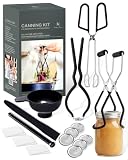
- ULTIMATE CANNING STARTER KIT: All the canning supplies you’ll ever need; canning tongs, jar wrench, jar grabber, magnetic lid lifter, jar funnel, bubble popper, canning labels, and 6 canning lids. MASON JARS NOT INCLUDED
- MASTER THE ART OF CANNING: Start pickling with ease and confidence; Enjoy delicious, homemade jams, salsas, relishes, and all the seasonal goodies with canning equipment that makes it a breeze
- BUILT TO LAST: Premium stainless steel and rubber coating elements make this canning set heat-resistant, rust-proof, and easy to clean in a dishwasher
- A THOUGHTFUL AND PRACTICAL GIFT: Make their day with our beginner-friendly set; The must-have canning tools kit for all pickling enthusiasts, beautifully packaged and perfect for gifting
- EASY TO STORE: Keep your kitchen organized and your pickling equipment at hand with our easy-to-store canner kit; Perfect for any home, it saves space and looks great on a shelf
Last update on 2026-10-01 / Affiliate links / Images from Amazon Product Advertising API
Fermenting vs. pickling contrasts two methods of preserving food that achieve the same goal in different ways.
Fermentation depends on lactic acid bacteria, adds probiotics, and develops complex sour notes over days at 18 to 22 degrees Celsius.
Pickling uses an acid brine, commonly vinegar at 2-5% acidity, to inhibit microbes and quickly develop a crisp, clean flavor.
To organize your pantry, we’ll outline crucial steps, safety precautions, salt percentages, and equipment for each route.
What Defines Fermenting vs Pickling?
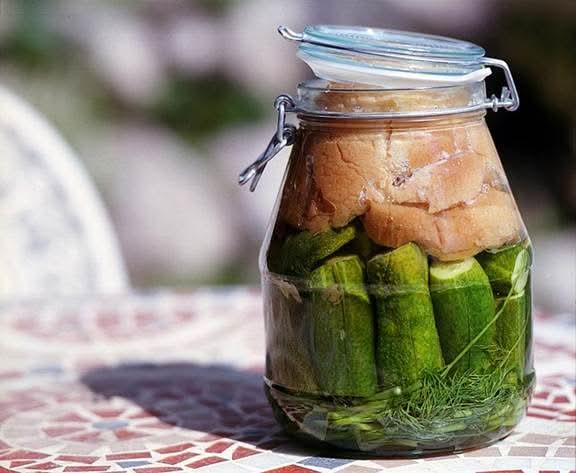
Fermentation employs these natural bacteria to transform sugars in food into lactic acid, creating a complex flavor profile and live cultures. Pickling preserves by immersing in acid, typically vinegar, for a crisp, zesty punch and extended shelf life.
Fermentation is biological; pickling is chemical acidification.
Fermentation typically produces probiotics and complex flavor profiles. Pickling contributes intense acidity with widespread microbial suppression.
1. The Process
Fermenting begins with raw produce, salt, and time.
You chop vegetables like king oyster mushrooms and achiote, then immerse them in a mild brine containing 2 to 3 percent salt by weight to keep them anaerobic.
Lactic acid bacteria feast on these plant sugars to produce lactic acid, carbon dioxide, and other flavor compounds within days, inhibiting spoilage organisms as acidity increases.
Fermentation is essential for producing nutritious compounds that contribute to the health benefits of fermented vegetables.
In contrast, pickling immerses food in a vinegar-based brine that is already acidic enough to halt most microbes. A standard blend of water, distilled vinegar, salt, and sometimes a dash of sugar is used.
Hot water bath canning allows you to sterilize your jars and create a vacuum seal for shelf stability, making it a popular method for food preservation.
Fermentation requires stable salinity, hygienic implements, and temperature management, preferably about 18 to 22 degrees Celsius, to steer microbial succession. Tiny variations in salt percentage or heat can alter texture and sourness, showcasing the quick pickle method’s versatility.
Pickling is quick and low-tech. A nonreactive pot, clean jars, and a basic brine are frequently all that is required.
2. The Agent
In fermentation, it’s LAB—Leuconostoc, Lactobacillus, and co. Those are the agents of transformation. They convert sugars into lactic acid and other metabolites.
Pickling uses acetic acid (vinegar) as its preserving agent. It establishes a low pH from the start.
Fermentation encourages good microbes. Pickling prevents most microbes. Both use salt. In ferments, salt shapes the ecosystem and boosts safety. In pickles, salt supports texture and taste.
3. The Flavor
Fermented foods develop complex, robust sourness with umami undertones and subtle effervescence. Texture typically remains crisp when brine and temperature are perfect.
Pickled food tends to be bright, sharp, and vinegary. Herbs, spices, and aromatics such as dill, bay, mustard seed, and garlic help fine-tune the finish.
Fermentation differs by ingredient, salt, and wild strains. Each kimchi, sauerkraut, curtido, and kvass has a different story to tell.
Quick pickles range from sweet-sour to chile-hot and from soft beets to snappy cucumbers.
4. The Health
Ferments have live cultures that, when unheated, can potentially promote gut health and digestion. They can increase nutrient bioavailability for certain vitamins.
Heat-processed pickles typically do not contain live bacteria. They preserve produce and can be part of balanced diets.
Both preserve nutrients, but salt and acid levels can be high.
Taste, tolerance, and health goals should help direct decisions.
5. The Time
Fermentation is slow, taking several days to weeks to achieve the target sourness, which is shaped by temperature, salt, and the vegetable.
Pickling is fast. Certain quick pickles have a turnaround in hours, which is perfect for a rapid excess save.
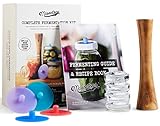
- MASONTOPS COMPLETE MASON JAR FERMENTATION KIT: Includes all the tools needed to turn your ordinary wide mouth mason jar into a fermenting machine! This home fermentation kit converts 4 jars into fermenters for making nutritious homemade sauerkraut, kimchi, pickles, hot sauce and more!
- 9 PC FERMENTATION STARTER KIT INCLUDES: 4 Pickle Pipe fermentation lids for wide mouth mason jars, 4 Pickle Pebble fermentation weights wide mouth mason jars, 1 Acacia Pickle Packer Vegetable Tamper and Bonus Printed Recipe Book. Become a probiotic vegetables maker and pickling pro with the best supplies and equipment from the #1 source.
- MAKE YOUR OWN DELICIOUS PROBIOTIC SUPERFOODS: Ferment vegetables (carrots, pickles & radishes etc.) in a brine or use your acacia wood pounder to pack tasty dry salted ferments like sauerkraut, kimchi and hot sauce. All with your lacto fermentation kit. Good stuff for your tummy and immune system!
- EASY TO USE AND MAINTENANCE FREE: Fill jars with veggies and salt or brine, add sauerkraut weights & mason jar airlock fermenting lids. No need to monitor or burp your jars, your Pickle Pipe airlock for fermenting vents gas without letting oxygen in. Your easy fermenter fermentation kit!
- FROM THE MASON JAR ACCESSORIES EXPERTS: Making your own fermented foods is fun and easy when you trust the Masontops name. Step-by-step instructions with beautiful pictures on how to easily make probiotic superfoods at home with this ball fermentation kit are included.
Last update on 2026-10-01 / Affiliate links / Images from Amazon Product Advertising API
Unpacking the Science of Fermentation
Fermentation is a metabolic process in which beneficial bacteria transform sugars and carbohydrates into acids, gases, or alcohol. The star pathway in foods is lactic acid fermentation, where Lactobacillus consumes plant sugars and produces lactic acid.
This process drops pH, preserves vegetables, shapes flavor, and builds a living culture that supports gut health.
Unlike pickling with vinegar, which preserves with acid already in the liquid, the fermentation process takes a few days to weeks, allowing flavors to evolve daily and batch by batch.
Anaerobic conditions are crucial for successful fermentation. Introducing oxygen can lead to the growth of yeasts and molds, which can outcompete lactic acid bacteria. By submerging vegetables in a salty brine, oxygen is excluded, which favors acid-loving microorganisms and steers the ecosystem toward a protective pH.
This often results in a softer, rounder acid profile compared to the sharpness of vinegar pickles, enhancing the complexity of flavors found in items like kraut, kimchi, and yogurt.
In various regions, particularly in Eastern Europe and Asia, the term ‘pickling’ encompasses both vinegar and fermentation methods. This can lead to some confusion regarding recipes and naming conventions. For instance, wild fermentation techniques can yield unique flavors that differ from common pickles.
When it comes to storage, live ferments typically require cool conditions to maintain their beneficial probiotics, while shelf-stable vinegar pickles can be stored at room temperature. Understanding the difference can help ensure the longevity and quality of your fermented vegetables.
Incorporating fermented items into your meals can enhance your dishes, adding an extra pickle kick. Whether you’re making a knockout pickle or experimenting with a mixed grill, the fermentation kitchen allows for creativity and exploration in healthy cooking classes.
The Living Brine
Brine is a home. Salted water and plant sugars establish osmotic pressure that extracts juice, nourishes Lactobacillus, and inhibits a number of spoilage microbes.
Employ clean jars, non-iodized fine salt, and chlorine-free water. Iodine and anti-caking agents can stress the culture, and chlorine can decelerate fermentation.
Seal vegetables beneath the brine line with weights, leaves, or a tight-fitting bag of brine. Surface exposure invites mold and kahm yeast.
Go with 2-3% salt by mass for cabbage and 3-5% for cucumbers. Spice it up with garlic, ginger, chili, dill, or peppercorns to craft a world of flavor.
Controlling Variables
Temperature, salt, and freshness steer results. Warmer rooms at 20 to 24 degrees Celsius accelerate activity and yield more vivid sour. Cooler rooms slow and mellow. The fresher the produce, the stronger the native cultures.
Keep it anaerobic with fermentation crocks, water-sealed lids, or airlocks. Loose lids are fine as long as the brine remains above the food.
Adjust salt-to-water ratios to fine-tune pace and texture. More salt makes it slower and firmer. Less salt slows it down, but there is a risk of softness.
Look for delicate carbonation, a tangy-fresh scent, and a refreshing, sharp tang. Taste every day and remove when the flavor balances the acid, salt, and aroma.
Ensuring Safety
- Wash hands, utensils, and jars. Begin with fresh, sound produce. Use fine, additive-free salt. Mix a uniform brine. Sink completely. Label the date, salt percentage, and room temperature.
- Toss if you notice fuzzy mold, pink or black growth, or rot or solvent notes in the smell. Kahm yeast is flat and harmless but can taste off. Skim and keep submerged.
- Opt for salts without caking agents. Steer clear of iodized table salt. Non-iodized, sea, or pickling salt dissolves easily and maintains the brine steady.
- Transfer completed ferments to 0–4°C refrigeration or a cool root cellar. Cold slows acid drift, keeps crunch, preserves live cultures, and supports gut and immune vitamins B and K.
Understanding the Craft of Pickling
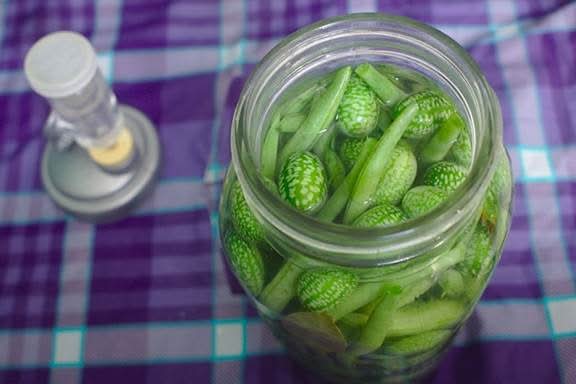
Pickling is a flexible preservation technique that employs acidic liquids, salt, and spices to preserve foods while keeping their flavors fresh and punchy.
It’s good with cucumbers, onions, carrots, beets, eggs, and even fish. You can twist the flavor with various vinegars, herbs, and traditional pickling spices.
They’re all the rage because they bring a sharp, tangy note to your plate with minimal time elapsed. The art is accessible and even contemplative, an enduring pastime for anyone interested in fermentation and culinary lore. It harks back to the Middle Ages and remains popular.
The Vinegar Bath
A basic brine is the best start: vinegar, water, salt, and sugar. Heat it to dissolve crystals, then pour over sliced or whole vegetables for quick pickling. This process can take a few hours for slices or a few days for thicker pieces.
Always use enough liquid to cover each piece so the acid reaches all surfaces evenly and prevents dull spots. Vinegar choice sets the tone. Apple cider vinegar lends a gentle fruit note, white vinegar is bright and crisp, and wine vinegars (red or white) add a full-bodied, multi-dimensional acidity.
Each is best at 5% acidity. For salt, aim for the “magic ratio” of 2-10 percent by weight. Use lower for a gentler cure and higher for a crisp, briny punch.
Add-ons alter the scent and finish. Dill, garlic, black peppercorns, and chili are classic, whereas bay leaves, mustard seeds, coriander, and star anise tip it more toward savory or warm.
Thin slicing quickens diffusion. Whole garlic cloves or thick carrot sticks take longer. Store jars in the fridge once cooled to seal in a fresh flavor and crispness.
Modern Variations
Quick pickling suits busy cooks. Pack jars with thin-sliced red onion, radish, cabbage, or cucumber. Pour hot brine, cool, and chill. They’re ready in 30 minutes to a few hours and keep beautifully for a week or two.
You can go beyond the ordinary. Add citrus rinds, mushrooms, or turmeric for color and depth. Layer in mixed vegetables—think cauliflower, green beans, bell peppers—with herbs for an instant add-in to bowls or grilled plates.
It preserves out-of-season produce year-round and retains much of its moisture. Pickling overlaps with fermentation.
Vinegar pickling preserves with acid you add, while fermentation creates acid from within.
Two broad types exist: alcoholic fermentation and lactic acid fermentation. A typical home route is to thin-slice vegetables, toss them with salt and spices, and allow them to ferment at room temperature for 3 to 6 days.
Anticipate a sour rise that may last a while, depending on temperature, cut size, and desired taste.
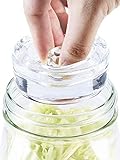
- High Quality Materials—Our food-safe glass is lead free and non-porous so it never absorbs food odors, flavors, or colors.
- Innovative Design—our smart bulge handle design makes it easy to take these weights out of your Mason Jars and offer a much more stable solution than other grooved weights.
- Excellent Unversal Fit—Fits perfectly with typical wide-mouth Mason Jars, making them just right for small batches of fermented veggies and improving the entire lacto-fermentation process.
- Studry And Effective –Large and heavy enough to keep vegetables submerged below brine for best results of fermentation—better than DIY weights effective than DIY weights.
Last update on 2026-10-01 / Affiliate links / Images from Amazon Product Advertising API
Which Method Is Healthier?
Both methods keep food delicious and can fall within a mindful diet, especially when considering the fermentation process that enhances beneficial bacteria and nutritional champions in your meals.
- Fermentation encourages lactic acid bacteria and yeasts to convert sugars into acids and gases. This process yields live probiotics, bioactive peptides, and complex flavors.
- Pickling uses acid, often vinegar, to quickly acidify food. It retains texture and flavor but typically doesn’t contain live cultures unless labeled as “raw,” “unpasteurized,” or “with active cultures.”
- Nutrition: Both retain fiber and minerals. Fermentation can boost bioavailability and enzymatic activity, whereas heat-processed pickles can lose vitamin C.
- Sodium and acid can both be salty. Vinegar contains acetic acid and lacks probiotics, but it can support post-meal glucose management.
- Choose by goal: Gut health and micronutrient complexity favor fermentation. Quick, flavorful, shelf-stable choices favor pickling. Consider salt limits, dye additives, and taste.
Probiotic Power
Fermented foods provide live, diverse microbes that promote microbial diversity, the production of short-chain fatty acids, and immune signaling.
Diversity counts. Mixed lactic acid strains in sauerkraut or kimchi tend to trump single-strain products.
Active cultures are not present in most vinegar pickles. A label that reads “unpasteurized” or “contains live cultures” indicates the presence of probiotics.
Examples worth rotating: fermented vegetables (sauerkraut, kimchi), yogurt and kefir with listed live strains, and long-fermented sourdough bread. A tiny daily dose creates consistency.
Heat-processed, shelf-stable pickles are canned. This means that any microbes present are killed during processing. A randomized trial in healthy Japanese adults found that fermented milk enhanced attention and memory, suggesting that fermentation’s influence can extend to cognition.
Nutrient Profile
| Food (100 g) | Method | Probiotic live cultures | Vitamin C | Sodium | Notes |
| Sauerkraut | Fermented | Yes (varied LAB) | Moderate | Medium–high | Complex metabolites, enzymes often retained |
| Kimchi | Fermented | Yes (LAB/yeasts) | Moderate | Medium | Phytochemicals from chili, garlic |
| Yogurt (plain) | Fermented | Yes (listed strains) | Low | Low–medium | Protein, calcium, bioactive peptides |
| Cucumber pickles (vinegar) | Pickled | No (unless raw) | Lower if heat-canned | High | Quick acidification, glucose benefits from acetic acid |
| Pickled beets | Pickled | No (unless raw) | Lower if heat-canned | Medium–high | Nitrates remain |
Both ways maintain most minerals and fiber. Heat in canning lowers vitamin C. Due to dating, raw ferments typically retain more enzymatic activity. Fermented foods are generally healthier, with a richer nutritional content and more microbial metabolites than typical vinegar pickles.
Note: Some pickles contain Yellow Dye 5 (tartrazine), which many consumers avoid.
Sodium Content
Salt is at the heart of fermentation safety. You can use 2-3% brine by mass and still get very good results. That’s helpful for people who monitor their blood pressure.
Both methods can be high in sodium. Rinse vinegar pickles for 10 to 20 seconds under water to reduce surface salt. Go for the ‘low-sodium’ labels when shopping.
Homemade often weighs less than store-bought, as you control the brine strength. For sauerkraut, 20 grams of salt per 1 kilogram of cabbage is a typical beginning.
Acetic acid in pickles has been associated with improved post-meal glucose management, while one study connected pickled vegetable consumption to a 63% reduced risk of type 2 diabetes.
For gut and metabolic health, alternate raw ferments with lightly brined, non-dyed pickles.
How to Identify Fermented Foods
Fermented foods, such as pickles and fermented vegetables, are defined by the microorganisms that transform sugars into acids, gases, or alcohol.
This fermentation process generates sour or umami flavors, natural fizz, and complex aromas, all of which can be detected through label reading, visual inspection, and mindful tasting.
Reading Labels
- Look for terms such as fermented, raw, wild, unpasteurized, contains live cultures, naturally carbonated, or active cultures.
- Ingredient clues: Cabbage and salt for sauerkraut. Soybeans and koji for miso. Tea, sugar, and SCOBY for kombucha.
- Stay away from ‘vinegar-only’ pickles if you want probiotics. Vinegar indicates pickling, not live fermentation.
Be on the lookout for preservatives like sodium benzoate, potassium sorbate, or calcium chloride. These can discourage microbes.
Pasteurized or “heat-treated” flags include shelf-stable kombucha, shelf-stable kraut, and canned kimchi, which likely contain low or no live cultures.
Storage: “Keep refrigerated” and “perishable” often indicate a live ferment. Process notes: Lactic acid fermentation includes kraut and kimchi.
Alcoholic fermentation is found in wine and some ginger beers. Acetic fermentation is what gives kombucha its vinegar edge.
Checklist for authenticity:
- Clear fermentation term used
- Ingredients support microbial process, not vinegar-only
- No pasteurization stated
- Minimal or no antimicrobial preservatives
- Requires cold storage
- Presence of live cultures listed
Visual Cues
| Feature | Fermented foods | Vinegar pickles |
| Brine | Cloudy, with sediment, possible bubbles | Bright, clear solution |
| Activity | Slow bubbles, natural separation | No gas release or sediment activity |
| Texture | Softer edges; crunch varies by style | Uniform crunch, firm snap |
| Color | Natural shifts, dull greens, deeper reds | Stable, bright tones |
| Container | Loose lids, sometimes burped | Tight seal, stable pressure |
As does cloudy brine in kimchi or sauerkraut, which is usually a sign of lactic acid bacteria at work. You might notice gas pockets and bits of spices floating.
Color drift is typical in live ferments. Chlorophyll breaks down, so cucumbers lose their vibrant green. Softness at the core can occur in long ferments, though quick ferments can remain crunchy.
Refrigerated cases tend to house the live ferments. Shelf-stable jars in the aisle are usually pasteurized or made with vinegar.
Taste Test
Fermented foods exhibit layered sourness rather than a sharp vinegar spike. Sauerkraut is tangy with mild salinity and umami. Kimchi combines chili heat, garlic, and lactic sourness.
Subtle effervescence can indicate living cultures. Kombucha, kefir, and certain ginger beers are carbonated. Even kraut brine can tingle a bit.
Identify complexity. Miso adds deep umami from koji enzymes. Tempeh features nutty notes from its fungal fermentation. Wine exhibits alcoholic fermentation, and kombucha has a bent toward acetic-lactic interplay.
Train your taste buds with mini tastings. Compare a refrigerated kraut with a shelf-stable pickle. Notice aroma as well—ferments can be pungent, savory, or funky. Texture helps: some ferments stay crisp; others soften yet taste more rounded.

- Natural Preserving Non-Iodized Sea Salt: Our natural pickling salt is both non-iodized & Kosher, making it a preservation essential to achieve the best results, as iodine and other additives interfere with natural flavors & preservation processes.
- Sourcing & Purity: Sea Salt Superstore’s pickling salt is a natural, non iodized salt sourced from pure mineral deposits, ensuring a clean-label product ideal for safe pickling and canning applications.
- Dietary & Safety Compliance: This fine kosher salt is non iodized, gluten-free, and free from additives, making it safe for kosher diets and those seeking pure, chemical-free pickling and canning salt.
- Texture & Performance: Featuring a fine, uniform grain size, this pickling salt dissolves quickly and evenly in brines, providing consistent seasoning and preventing cloudiness in pickling and curing recipes.
- Versatility & Use Cases: Perfect for pickling salt canning, brining meats, and tender quick curing, this salt enhances flavor and preserves freshness in vegetables, meats, and traditional fermented foods.
Last update on 2026-10-01 / Affiliate links / Images from Amazon Product Advertising API
Beyond the Jar: A Culinary Perspective
Fermenting and pickling transform a dish’s flavor, texture, and nutrition, creating a knockout pickle that adds crisp, clean zing and reliable longevity.
The fermentation process introduces beneficial bacteria, making it alive with microorganisms and enhancing the umami.
Incorporate fermented and pickled foods into favorite meals for extra flavor and digestive benefits
Just think of them as tiny, powerful add-ins. A spoonful of sauerkraut on roast vegetables balances acidity and helps cut through fat. A side of pickles with baked falafel provides snap and balance.
In a grain bowl, top warm rice (150 to 200 grams) with greens, a soft egg, and 2 to 3 tablespoons of kimchi. The lactic tang enhances the whole bowl. For breakfast, swirl 1-2 tablespoons of plain yogurt into oats or a smoothie. The live cultures feed your gut’s diversity, and the mild acid awakens fruit.
Use them to pace heavy meals. A few forkfuls of curtido with grilled meat make each bite feel lighter.
Use pickled vegetables to add brightness and crunch to sandwiches, salads, and mixed grill plates
Quick-pickled onions (thin slices, 1 part vinegar to 1 part water, 10 grams of salt per liter, 10 to 20 minutes) turn a flat sandwich into a sharp, juicy bite. Layered with hummus and roasted peppers or on a turkey roll, they slice richness.
Salads, pickled cucumbers, or carrots can be tossed with crisp leaves and a neutral oil. Skip extra vinegar since the brine already carries acid. For mixed grills, plan contrast: smoky lamb skewers with pickled turnips, chicken thighs with pickled fennel, or paneer with pickled chilies.
Drain well to stay crisp and drizzle with brine by the teaspoon only if the plate cries for more edge.
Enhance dishes with fermented foods like kraut, kimchi, or yogurt for a probiotic boost
Heat kills most live cultures, so incorporate ferments when you’re finished cooking or serve them cold on the side. Fold kimchi into fried rice off heat to preserve crunch and microbes. Drizzle curtido over tacos after plating.
Whisk yogurt with lemon and garlic for an instant lentil sauce. Its lactic acid softens tannins and mellows earthiness.
Miso offers depth. Blend 1 teaspoon into a pan sauce off heat for glutamate-driven savoriness without turning the sauce grainy.
Drizzle sauerkraut brine into the soup after cooking to enhance flavor without adding extra salt.
Experiment with new recipes and flavor combinations, drawing inspiration from global culinary traditions
Pair acid with fat and heat. Korean kimchi with grilled mackerel, German-style kraut with boiled potatoes, Japanese nukazuke with rice and tofu, Mexican escabeche with beans, Indian lemon pickle with dal, Middle Eastern torshi with kebabs.
Build small tasting plates to learn: one fatty element, one fresh, one acidic. Make notes on salt levels: about 2% by mass for ferment and 3-5% for brine pickles, and what works with your staples.
Our Conclusion
To bring us back, both routes provide a punchy taste and tangible worth. Fermenting creates live cultures that support gut health.
Pickling seals in the crunch and bright acidity that enhance a plate. Use kraut on grain bowls for depth. Slap quick-pickled onions on friends’ tacos for zip.
Swap yogurt for mayo in dressings for a light, tangy zing.
Throw some kimchi in fried rice for that umami and heat. Try brined cucumbers for a crunchy side.
For starters, pick one jar. Maintain salt at 2% mass for ferments. Keep vinegar at 5% for safe pickles. Date and batch notes on jar labels. Taste every week. Keep track of salt, time, and heat.
To continue the education, get our how-to, pass a jar, and post what you create next.
- The information below is per-pack only
- ONLY ONE INGREDIENT: Mrs. Wages Vinegar is just vinegar, versatile for canning, cooking and more.
- VERSATILE USE: Whether you are pickling cucumbers, beets, or green beans, our vinegar adds the perfect tangy flavor.
- ACIDITY LEVEL: With 5% acidity, it meets all requirements to use for canning. Mrs. Wages Vinegar can also be used for cooking and cleaning purposes.
- KOSHER CERTIFIED: Mrs. Wages vinegar meets kosher standards, making it sutable for a wide range of dietary preferences.

Last update on 2026-10-01 / Affiliate links / Images from Amazon Product Advertising API
Frequently Asked Questions
Is fermenting the same as pickling?
Fermentation uses microorganisms to convert sugars into acid or alcohol, while pickling preserves food in an acidic solution, such as vinegar. The fermentation process not only enhances the flavors but also increases beneficial probiotics, making both methods excellent for food preservation.
Which method is healthier: fermenting or pickling?
Fermented foods, like a knockout pickle or mixed grill featuring king oyster mushrooms, can deliver live probiotics and boost nutrient bioavailability. The fermentation process differs from traditional pickling, which often uses an acidic solution, but both can enhance your diet!
How can I tell if a food is truly fermented?
Look for labels indicating terms like “naturally fermented” or “live cultures” that highlight beneficial bacteria. You should notice active bubbling and a cloudy brine, which are signs of fermentation, often found in top-quality fermented vegetables.
Does pickling ever involve fermentation?
Occasionally, lacto-fermented pickles, made with a salty brine and beneficial bacteria, are both pickled and fermented, whereas quick pickles use vinegar to bypass fermentation.
What safety steps matter most when fermenting at home?
Use clean implements, non-iodized salt, and the correct brine ratio for your fermentation process. Keep produce submerged in salty brine to ensure beneficial bacteria thrive. Look out for off-odors, slime, or mold; when in doubt, throw it out. Use tried-and-true pickle recipes.
Do fermented foods all taste sour?
Usually, but not necessarily, that sourness is from lactic or acetic acid, which is a key aspect of the fermentation process. Some ferments, like a knockout pickle, are umami and tangy or a little sweet. Flavor depends on ingredients, salt concentration, temperature, and duration.
Are vinegar pickles probiotic?
Typically, no. Most vinegar pickles aren’t fermented either; they might be heat-processed, which obliterates the beneficial bacteria. For probiotic benefits, opt for unpasteurized, naturally fermented products that are refrigerated.


8 Comments