

Types of Fermentation Explained: Yeast, Bacteria, and Mixed Cultures
Key Points
- Discover the 4 main fermentation types and why dominance is important. Yeast, bacteria, molds, and symbiotic cultures all deliver different flavors, textures, and preservation results.
- Match substrates to microbes for predictable results. Sugars, starches, proteins, and fats attract different organisms and require unique prep steps, such as malting, inoculation, or enzymatic breakdown.
- Control key factors to guarantee safety and excellence. Record temperature, oxygen, salt, and time on a straightforward checklist. Switch up one variable at a time to dial in taste and texture.
- Use examples to inform method and tools. Bread, beer, yogurt, tempeh, kombucha, and kefir demonstrate requirements such as anaerobic environments, humidity regulation, and balanced mixed cultures.
- Fine-tune nutritional and sensorial profiles via process design. Specific microbes and cultures optimize vitamin enhancement and reduce ANTs while generating acid, alcohol, and esters for complexity.
- Mix old-school wisdom with new-school precision. Honor local tradition with precision instruments, food-safe microbes, and standardized measurement for reliable and safe ferments.
Lactic acid, alcohol, acetic acid, and koji are examples of ferments.
Lactic acid ferments, such as sauerkraut and kimchi, use Lactobacillus to lower pH and extend shelf life.
Alcohol ferments convert sugars to ethanol and carbon dioxide, as in beer, wine, and cider.
Acetic acid ferments transform alcohol to vinegar with the help of Acetobacter.
Koji utilizes Aspergillus oryzae to produce enzymes for miso, soy sauce, and amazake.
To help you navigate uses, safety, and flavor, the main text deconstructs each technique.

- COMPLETE FERMENTATION KIT: Start fermenting right away with 2 jars, weights, airlocks, and seals. Ideal for making sauerkraut, pickles, kimchi, and a variety of homemade fermented foods.
- BUILT-IN DATE MARKER: Lids with date trackers help you easily log fermentation timelines. The flexible design allows you to try different recipes or prepare multiple batches at different times.
- WIDE MOUTH DESIGN: 86mm/3.4″ opening makes it easy to fill, empty, and clean by hand while simplifying ingredient placement. The jars and lids are dishwasher safe for quick and effortless cleanup after use.
- LEAD-FREE & DURABLE GLASS: Glass weights come with an upgraded 1-inch knob handle for clean, easy placement and removal. Made with thick, clear, food-safe glass that can be easily cleaned with warm water below 60°C (140°F).
- AIRTIGHT SEAL: Designed with a silicone seal and grommet to keep oxygen out, ensuring successful fermentation every time. Perfect for safely preparing a wide range of fermented foods at home with ease. If any items are absent or you run into issues while using the product, please reach out to us any time.
Last update on 2026-11-01 / Affiliate links / Images from Amazon Product Advertising API
The Primary Types of Ferments
Four broad groups shape most ferments: yeast-dominant, bacteria-dominant, mold-based, and symbiotic cultures.
The type depends on the dominant microorganism or fermentation process, though most traditional foods combine modes simultaneously.
Each route produces different acids or alcohols, shapes texture, and extends shelf life.
1. Yeast-Dominant
Yeast transforms simple sugars into ethanol and carbon dioxide via ethanol fermentation. That gas rises the dough, and the alcohol forms flavor before it bakes out or lingers in drinks.
Bread, beer, cider, mead, and wine trust Saccharomyces species to perform reliably, while wild yeasts in sourdough or natural wine add volatile esters and phenolics that broaden the flavor spectrum.
Control is everything. Temperatures in the 18–24°C range keep stress low, while oxygen is restricted once growth ceases, guiding metabolism toward alcohol rather than biomass.
Brewers control pitching rates, wort gravity, and pH. Bakers monitor inoculation, hydration, and proof times.
Ethanol fermentation typically uses batch processing. Wineries and home bakers use batch. Breweries and biofuel plants often use continuous processing for throughput and stable quality.
2. Bacteria-Dominant
Bacterial ferments focus on acid production, primarily lactic and acetic acid. Lactic acid fermentation, performed by beneficial microorganisms such as Lactobacillus and Streptococcus, occurs anaerobically and rapidly decreases pH.
Yogurt, a popular fermented milk product, along with cheese, sauerkraut, kimchi, and cucumber pickles, relies on LAB to thicken, sour, and protect against spoilage.
These bacteria are powerful for preservation and have probiotic potential that supports digestive health.
Most of these beneficial bacteria flourish in low-oxygen brines at 2 to 3 percent salt, with 18 to 22 degrees Celsius being typical for fermented veggies.
Acetic acid bacteria oxidize ethanol to acetic acid in aerobic environments, which is essential for producing rice, wine, and apple cider vinegars.
This fermentation process contributes significantly to the flavor and preservation of various food products.
Butyric acid fermentation, directed by Clostridium species, generates butyric acid, which is utilized in the manufacture of chemicals and drug precursors.
This fermentation is considered a fouling fermentation in cheese but has industrial value.
More than 25 percent of bacteria and archaea engage in some manner of fermentation, underscoring its range from food to biofuels and pharmaceuticals.
3. Mold-Based
Molds, including Aspergillus oryzae and Rhizopus oligosporus, lead in tempeh, miso, soy sauce koji, and blue or bloomy-rind cheeses. Their enzymes, proteases, amylases, and lipases decompose complex substrates, enhancing digestibility and releasing umami and aromatics.
Safety is based on strain selection and pure culture. Wrong molds can ruin or poison the batch.
Humidity around 90% and narrow temperature ranges, typically 25 to 32 degrees Celsius for koji and approximately 30 degrees Celsius for tempeh, ensure consistent mycelial development.
4. Symbiotic Cultures
Symbiotic cultures combine yeast and bacteria, so both nourish the other. Kombucha combines yeasts that produce ethanol with acetic acid bacteria that oxidize it to acids and gluconic compounds. The SCOBY contains both.
Milk kefir contains lactose-fermenting LAB and yeasts in protein-lipid grains, producing lactic acid, a hint of ethanol, CO2, and kefiran for body.
These ambrosial ferments develop stratified acids, soft bubbliness, and live cultures that can benefit digestive wellness.
Balance is key: if it’s too warm or too sugary, yeast outruns bacteria. Too cool, acids stall. Makers adjust sugar load, inoculation rate, vessel shape, and refresh cycles in batch or continuous cascades to maintain the culture’s stability.

- INCLUDES: 1 pack (2 oz / 56.7 g) of Fermaid O Yeast Nutrient
- FERMAID O contains 100% natural yeast derived components rich in organic nitrogen and essential vitamins and minerals. It does not contain any inorganic nitrogen (e.g. no DAP). No UREA is used anywhere in the production of Fermaid O
- FERMAID O has the highest level of YAN (mg/g) permitted by the OIV monograph for yeast autolysates (OIV-OENO-496-2013). Lipid content (from rehydration products), high quality YAN, vitamins and minerals are key factors that are provided by FERMAID O
- With its high content of organic nitrogen, Fermaid O can help winemakers achieve steady fermentations, while limiting temperature peaks. Add 20 g/hL at the end of the lag phase and another 20 g/hL around 1/3 sugar depletion
- Manufactured by Lallemand Inc. and re-packaged in Canada by CAPYBARA Distributors Inc
Last update on 2026-11-01 / Affiliate links / Images from Amazon Product Advertising API
How Substrates Shape Ferments
Substrates determine the metabolic route, the microbes that prosper, and the taste, mouthfeel, and output of the ultimate ferment.
Four core substrate classes define most processes:
- Sugars: Simple monosaccharides and disaccharides feed yeasts and lactic acid bacteria, enabling alcoholic, lactic, and mixed-acid routes with rapid ATP turnover, often around two ATP per glucose. Anaerobic bacteria can produce acetate, butyrate, carbon dioxide, and hydrogen from glucose.
- Starches are polymers of glucose that microbes must hydrolyze enzymatically before they can use them. They shape mash viscosity, pH drift, and enzyme demand.
- Proteins are complex substrates that favor proteolytic consortia, building umami by releasing amino acids and peptides. This process further catabolizes them into organic acids and aroma compounds.
- Fats: Triglycerides that call for lipolytic microbes. Lipase and β-oxidation products fuel pungent aromas but require careful management to prevent rancidity.
Different substrates select distinct pathways and organisms: butyrate, caproate, and acetone–butanol–ethanol fermentations each tie back to feedstock chemistry, redox balance, and pH. Try constructing a basic comparison table to outline substrate, dominant microbes, pH range, products, and risks.
Sugars
Simple sugars are quickly fermented by yeast and a few bacteria. Fruit juice, honey, and cane sugar are ubiquitous and permit fast starts with clean kinetics.
These feed alcoholic drinks, wine, mead, cider, and sweet ferments like water kefir. Sugar level drives osmotic stress, speed, and the final profile.
Low sugar speeds growth but caps alcohol. High sugar slows start and raises stress aromas.
Acid-resistant yeast strains enable low-pH runs that help control contamination and improve solvent recovery. Substrate selection establishes electron flow.
In mixed cultures, methanogens may scavenge generated hydrogen to keep hydrogen levels low.
Starches
Starches, for example, have to be converted to sugars before fermentation. These usually come from grains, potatoes, or beans.
Enzymes from either malted grain or microbial cocktails (α-amylase, glucoamylase) begin conversion, trim dextrins, and stabilize mash pH near optimal enzyme windows.
Pre-treatment, such as malting, cooking, or koji, boosts productivity, increases yield, and unlocks pathways to products such as ethanol, lactic acid, and succinic acid for biobased plastics.
PH and electron balance change with adjuncts. Others drive propionate generation where H2 supplies electrons or support CO2 as an acceptor in butyrate lines.
Proteins
Protein-rich substrates include soybeans, dairy, and fish.
Proteolytic microbes degrade proteins into peptides and amino acids. This drives deep umami through glutamate release, Maillard-like notes in aging, and formation of small volatile acids.
Examples: miso and natto (soy), surface- or smear-ripened cheeses (dairy), and fish sauces. Some species may or may not metabolize niche resources such as glyoxylate nitrogen.
This determines which consortia survive, pH trajectories that are frequently neutral to lightly acidic, ATP output, and toxicity thresholds.
Fats
- Fermented fish oils
- Certain cured meats with fat-rich matrices
Lipolytic microbes transform fats into tasty compounds. Free fatty acids, methyl ketones, and esters create robust fragrance but need tight redox, salt, and thermal regulation to avoid spoilage or rancidity.
Fat-heavy systems tend to operate at specific water activity and low-oxygen conditions. Some caproate producers upgrade fatty acids from mixed substrates under controlled CO2 and H2.
The Microbial Symphony
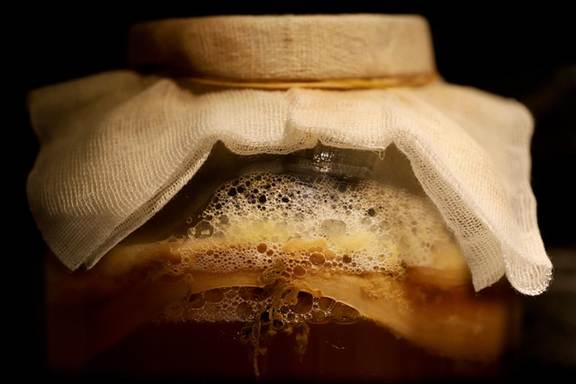
Microbial symphony refers to a multitude of microbes working collectively, exchanging metabolites and influencing the flavor, texture, and nutritional profile.
Diversity spurs complexity. Mixed cultures tend to outperform a single strain because bacteria, yeasts, and molds cross-feed, buffer pH, and inhibit spoilers.
The same logic plays out in foods like amasi from Southern Africa, where varied bacteria and yeasts shift with milk type, climate, and process.
The same logic applies to the human gut, where trillions of microbes modulate health. Roles can be listed in a table for easy scanning.
| Microbe group | Primary roles | Typical products | Examples in foods |
| Lactic acid bacteria (LAB) | Acidification, proteolysis, exopolysaccharides | Lactic acid, diacetyl, EPS | Yogurt, kimchi, sauerkraut, amasi |
| Yeasts | Alcoholic fermentation, CO2, ester formation | Ethanol, CO2, esters, higher alcohols | Bread, kefir, kombucha, soy sauce |
| Acetic acid bacteria (AAB) | Ethanol oxidation | Acetic acid | Vinegar, kombucha |
| Molds | Amylolysis, proteolysis, lipolysis | Enzymes, free amino acids, aromas | Tempeh, koji (miso, sake) |
| Propionibacteria | Secondary fermentation | Propionic acid, CO2 | Swiss-type cheeses |
Interconnections drive results. LAB lower pH, yeasts provide vitamins, and molds break down sugars. Collectively, they drive flavor and boost safety.
Community shifts impact taste, texture, and possible benefits, including probiotic activity or immune modulation.
Though studies show mixed evidence, the field is still under investigation.
Flavor Creation
Microbes transform sugars and amino acids into acids, alcohols, and esters that shape the flavor profile. Lactic acid adds tang to yogurt and kimchi.
Ethanol and esters enhance kombucha and bread. Diacetyl imparts buttery notes in cultured dairy.
Each type imparts a unique profile. Sauerkraut comes out bright and briny. Natto is nutty and pungent. Amasi carries tang with light fruit notes when yeasts ferment in the blend.
They turn dead boring bases into delicious digestibles. Koji breaks starch into simple sugars, and yeasts and bacteria then propel miso’s umami richness. Cacao fermentations compose chocolate’s primal scents before roasting.
Local practice counts. Spice blends, salt concentration, and vessel selection create regional imprints in pickles, cheeses, and soy ferments.
Texture Transformation
Fermentation modifies texture through gas release, acidification, and enzymes.
- Vegetables become tender as pectin ruptures in sour kraut and kimchi.
- Dough rises when yeast releases CO2. LAB tinker, crumb, and gnaw.
- Milk coagulates as the pH approaches casein’s isoelectric point. Some LAB produce EPS that thicken the body.
These transitions support flavor and preservation by reducing water activity, lowering pH, and outcompeting pathogens. Master time, temperature, inoculum, and salt to dial in crispness, crumb, or viscosity.
Nutrient Enhancement
Fermentation can increase micronutrient availability by degrading phytate and freeing trapped minerals. Several LAB and yeasts produce B vitamins. Live cultures can provide probiotic benefits for certain individuals.
Antinutrients tend to decrease. Soaking with koji or tempeh molds slashes phytate. Sourdough eliminates FODMAPs for some eaters. Profiles differ by microbe, substrate, and process.
When in balance, the gut’s symphony promotes health. Dysbiosis is associated with IBD, obesity, and mood problems.
Fermented foods offer delicious ways to build food diversity. Researchers are studying it for clinical claims and broader biotech applications.
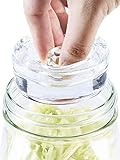
- High Quality Materials—Our food-safe glass is lead free and non-porous so it never absorbs food odors, flavors, or colors.
- Innovative Design—our smart bulge handle design makes it easy to take these weights out of your Mason Jars and offer a much more stable solution than other grooved weights.
- Excellent Unversal Fit—Fits perfectly with typical wide-mouth Mason Jars, making them just right for small batches of fermented veggies and improving the entire lacto-fermentation process.
- Studry And Effective –Large and heavy enough to keep vegetables submerged below brine for best results of fermentation—better than DIY weights effective than DIY weights.
Last update on 2026-10-31 / Affiliate links / Images from Amazon Product Advertising API
Controlling Your Ferment
Control means managing temperature, oxygen, salt, pH, and time so microbes act the way you want. It stops rot and saves food.
Build a simple checklist: target temperature range, vessel and air control, salt ratio and type, pH target or sensory cues, daily notes on smell, look, taste, and a start/stop time log.
Across lactic acid, alcohol (ethanol), and acetic acid paths, the same levers steer very different foods—from sauerkraut and kimchi to bread, beer, yogurt, vinegar, soy ferments, and grain-based kvass. Microbes power the transformation; you simply guide the conditions.
Temperature
Each microbe performs optimally within a tight range, especially during fermentation processes. For instance, Lactobacillus in sauerkraut thrives at 18 to 22 degrees Celsius, while yeasts used for beer or sourdough bread prefer a warmer range of 20 to 26 degrees Celsius.
Acetic acid bacteria, crucial for vinegar production, favor temperatures around 25 to 30 degrees Celsius.
Too warm can accelerate acid or alcohol fermentation, potentially driving out undesirable flavors or allowing spoilage to dominate.
Conversely, if it’s too cool, fermentation may stall, changing which microorganisms dominate the batch.
Monitor temperature with a probe or sticker. Move the vessel to a warmer or cooler place to adjust the rate and profile. For consistent results, record ambient and internal temperatures and maintain a steady range with a water bath, heat mat, or cool basement.
Reproducibility begins with temperature discipline. It’s the easiest factor to control in a home batch.
Oxygen
Some ferments require air (aerobic), while others need it eliminated (anaerobic). Vinegar needs oxygen so acetic acid bacteria can transform alcohol to acetic acid. Sauerkraut, kimchi, and pickled veggies must exclude oxygen to support lactic acid bacteria.
Oxygen changes which microbes rule and the acids they produce. Yeast will produce more biomass with oxygen, but it produces ethanol under restricted oxygen.
Pick tools that suit the objective. Control your ferment. Use airlocks or sealed crocks with weights for anaerobic brines, submerging vegetables by 2 to 3 centimeters.
For vinegar, use a wide-mouth jar covered with cloth or similar to let air in while excluding dust.
Salt
Salt plays a crucial role in the fermentation of many fermented foods, as it suppresses harmful microbes while promoting beneficial lactic acid bacteria.
It draws water from cells, contributing to the texture and stabilizing the flavor of the final food product. For consistency, weigh your salt instead of estimating, and opt for non-iodized, additive-free varieties.
Common ratios by mass can significantly affect the fermentation process: lower salt levels may speed fermentation but can compromise texture and increase spoilage risk.
In contrast, higher salt concentrations slow down fermentation, firm up the texture, and enhance safety in the final fermented products.
Using the right salt in your recipe is essential for achieving the desired results in your fermented veggies or fermented milk products.
Remember, the right balance not only influences the fermentation method but also impacts the overall taste and nutritional benefits of your dishes.
- Leafy or shredded vegetables (sauerkraut, kimchi): 2.0 to 2.5 percent salt to vegetable weight.
- Whole or chunky pickles: 3–5% salt in brine.
- Soy ferments (miso): 5–12% total salt, style-dependent.
- Olives: 6–10% brine, then adjusted across cures.
Maintaining this balance is vital for healthy eating, especially when working with foods like sourdough bread or fermented pickles.
By understanding these nuances, you can ensure a successful fermentation process that yields flavorful and safe food options.
Time
Time molds flavor, texture, and shelf-life. Longer runs usually add depth and complexity, like months-old miso and aged vinegar, but too much time can lead to a mushy texture or bitter or rancid notes.
Foul up a beer and yeast autolysis sneaks in. Mess up sauerkraut at warm temps, and it is too sour and mushy.
Record start date, temperature, and daily observations. Taste and smell along the way. Monitor color, brine clarity, bubble rate, and pH if you are able.
Lactic ferments typically wrap up near pH 3.2 to 3.8. Stop when the profile hits your target, then chill to slow the shift.

- Wide range stick on temperature strip – 46° to 93° fahrenheit
- Perfect brew every time! Never let the temperature get in the way of your kombucha again.
- Did you know that fermenting outside the proper temperature zone is the number one mistake kombucha home brewers make? Don’t let that be you!
- Never worry about your kombucha again with this temperature strip!
- So easy to install! Just peel off the back of the sticker and the transparent protective film on the front and stick it on the outside wall of any glass surface, that is it!
Last update on 2026-11-01 / Affiliate links / Images from Amazon Product Advertising API
Traditional Versus Modern Methods
Traditional fermentation processes rely on wild or mixed cultures, environmental conditions, and manual craft. This natural fermentation method differs from modern techniques that utilize controlled inputs, standardized strains, and industrial-scale equipment.
Both approaches shape taste, mouthfeel, and availability, but in ways that matter to cooks at home, boutique makers, and large companies alike.
Scope and purpose
Old ways developed over millennia in Korean, German, Russian, and Chinese foodways to save crops and cultivate flavor. Lactic acid fermentation turned cabbage into sauerkraut more than 2,000 years ago, and similar paths led to kimchi, kvass, kefir, tempeh, and soy sauce.
The goal was preserved food with vivid acidity, umami, and a long shelf life.
New techniques open up the landscape. Fermentation now propels food and beverage plants and even biotechnology.
Precision fermentation programs microbes to make specific targets such as dairy and egg proteins, heme for color and flavor, enzymes, vitamins, and organic acids. This transition goes past preservation into ingredient engineering.
Process and control
The old-school approach relies on wild consortia in raw plants or starter backslops. Salt, time, and temperature sculpt the ecology.
You see batch-to-batch drift: one crock of kimchi runs hotter or crunchier than the next. That drift contributes character but demands craftsmanship and care.
Most think it’s slow and labor-intensive — shredding, packing, skimming, waiting — while others appreciate the ritual and the connection to lineage.
Contemporary workflows purify strains or employ genetically engineered microbes to ensure consistent results. Fermenters control temperature, pH, dissolved oxygen, and agitation.
Hazard controls, sterile transfers, and data logs mitigate risk. This control produces consistent flavor, texture, and microbial counts and allows scaling up, making products more accessible and often less expensive.
Safety, flavor, and applications
Old school ferments get safety from acid, alcohol, salt, and competitive exclusion. Results are contingent on pristine prep and proper salt percentages.
Flavor spans a wide range: funk, bright acid, soft brine, deep umami. Local custom dictates garlic-forward kimchi in one household and lighter brines in another.
Where traditional systems focus on flavor and variation, modern systems emphasize consistency and safety with validated critical limits, starter purity, and monitoring.
They can produce complex molecules with specific attributes, such as new foods that match the stability of dairy foam or meat that browns without animal inputs.
- Traditional pros include diverse microbes and flavors, low equipment cost, cultural value, and resilience to supply shifts.
- Traditional cons: variable results, time and effort, small batches, sanitation-dependent.
- Modern pros include high consistency, strong safety controls, fast scale, and targeted molecules and textures.
- Modern cons include higher capital costs, less microbial diversity, a uniform flavor profile, and regulatory hurdles.
The Future of Fermentation
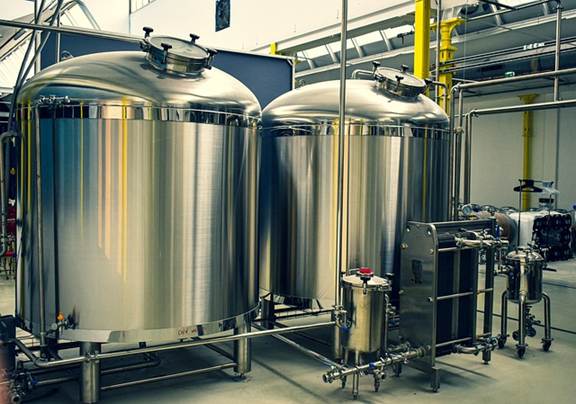
Fermentation isn’t new—it’s as old as civilization itself—but it’s more relevant than ever, now molding fermented foods, health, and sustainability with more reach than ever before.
Predict increased innovation in fermentation for food, health, and sustainability.
Innovation is moving from trial and error to data-led design. Worldwide groups are mapping microbes and metabolites in a “periodic table” of fermented food to identify gaps and connect strains to specific traits such as texture, aroma, or vitamin production. This holistic perspective accelerates R&D cycles and reduces waste.
On the health side, scientists use multi-omics to link strains to gut effects, such as short-chain fatty acid production or histamine degradation, turning fuzzy “probiotic” claims into measurable results.
In sustainability, controlled ferments upcycle side streams like whey, okara, and spent grains into fibers, amino acids, or savory pastes, reducing landfill waste and lowering the climate impact per kilo of food.
Highlight the rise of precision fermentation and engineered microbes.
Precision fermentation employs engineered microbes as mini factories. Imagine yeast excreting dairy proteins such as casein and whey, egg proteins like ovalbumin, or heme protein for rich umami, all animal-free.
These proteins fit into familiar shapes such as yogurt replacements, whipped foams, or plant-based burgers, with purer labels and reliable quality.
Toolkits range from CRISPR editing and promoter tuning to fed-batch control to dial in yield and purity. The same playbook can craft bespoke molecules like collagen with set gelling viscosity, elasticity, or melt point for confectionery, biomedical gels, or 3D-printed foods.
Anticipate additional strains for stress tolerance, rapid growth on inexpensive feedstocks, and low off-flavors, which slash costs and expand reach.
Note the growing interest in plant-based and alternative protein ferments.
Plant ferments go beyond soy and wheat. Mixed cultures can break down pulse antinutrients, increase digestibility, and enhance savory notes in pea- or fava-based products.
Hybrid formats are popping up, too, such as surimi-style blends that combine algal or fungal proteins with plant isolates for that springy chew and lean nutrition.
Businesses use filamentous fungi, or mycelium, to cultivate whole-cut textures in days, with subtle, versatile taste.
Fermentation helps unlock nutrition from underutilized crops—millets, lupin, breadfruit—enabling their use in porridge, cheeses, or snack batters.
Emphasize the potential for new flavors, products, and health benefits.
New microbes and substrates expand the taste map. They research strains from bumble and wasp guts, meticulously screened for safety, to create rare esters and acids that give kombucha, kvass, or non-alcoholic beer a floral or fruity note.
Crossover ferments mix traditions, koji with cocoa nibs and kefir grains with oat milk, to generate new aromatics and improved protein ratings. For gut health, targeted co-cultures can increase B-vitamins, prebiotic fibers, or postbiotics associated with immune markers.
Anticipate transparent labels that read “lactic acid bacteria X generated metabolite Y,” linking taste and function to strain-level decisions.
Our Conclusion
In short, ferments arise from defined ingredients, consistent heat, and pure vessels. Grains nurture yeasts. Milk nourishes lactic bugs. Veg adds crunch and bright acid.
Every route has its unique cadence and destination. Imagine sourdough crumb, kimchi crisp, cider dry, kefir sharp.
Small tweaks change the arc quickly. Reduce the salt by 1 percent. Turn up the heat by 2 degrees Celsius. Trade in a starter strain. You get a new coat.
To build skill, record time, temperature, pH, and taste.
Use inexpensive gear: a kitchen scale, a probe, a pH pen. Begin with a single jar.
Learn to get it off your nose and tongue. Trade a jar with a friend. Trade remarks.
All set to style? Try some new styles!
Choose a ferment type from this guide and kick off a small batch this week.

- 【Two Power Source】:USB charging or 2 AAA batteries power supply, you can use it more reliably.
- 【Precise Weight】: Accurate, elegant, easy-to-use digital kitchen food scale for your largest and smallest cooking projects . Measuring range: 0.1oz to 33 lbs (3g to 15kg).
- 【Multifunction Scale】: Automatic Unit Button instantly converts between 5 units of measurements (kg g lb:oz fl.oz ml) and displays results on an easy-to-read Lcd screen.
- 【Practical Design】 The food scale is designed with tempered glass for strong bearing, sleek stainless steel top surface for anti-fingerprint and easy clean, with a attached hook for convenient storage.
- 【Zero/Tare Function】: Convenient tare button for tare calculation allows you to subtract the weight of plate or container, making it easy to achieve accurate readouts of ingredients.
Last update on 2026-10-31 / Affiliate links / Images from Amazon Product Advertising API
Frequently Asked Questions
What are the main types of ferments?
Major fermentation types include lactic acid, acetic acid, alcoholic, and alkaline ferments. Lactic acid fermentation produces probiotic-rich foods like yogurt and kimchi. Acetic acid fermentation includes vinegar and kombucha, while alcoholic fermentation produces flavorful beverages such as beer and wine.
How does the substrate affect fermentation?
The substrate nourishes beneficial microorganisms and determines the outcome of different fermentation processes. Vegetables prefer lactic acid bacteria for fermented veggies, while grains and fruits host yeasts for alcohol fermentation. Sweetened tea feeds kombucha’s symbiotic culture, and protein-rich beans can result in alkaline ferments. Select your substrate to fit your objective.
Which microbes are most important in fermentation?
Lactic acid bacteria, yeasts, and acetic acid bacteria play a starring role in fermentation processes. Lactic acid bacteria pickle and preserve foods while also contributing to alcoholic beverage production and flavor in yeasts. Acetic acid bacteria convert alcohol into acid, showcasing the intricate balance of beneficial microorganisms in various fermented foods.
How can I control my ferment at home?
Manage salt, temperature, oxygen, and time, and use clean tools. Keep vegetables submerged in brine during fermentation. Ferment at 18 to 24 degrees Celsius for most lactic ferments and ensure alcohol fermentation is air-locked. Taste often and refrigerate to slow fermentation when flavors suit you.
What’s the difference between traditional and modern fermentation?
Traditional fermentation relies on wild yeast cultures and rudimentary tools to create unique fermented foods with place-based flavors. Contemporary techniques use cultured probiotic strains and meticulously controlled fermentation processes for reliability and safety.
Is fermentation safe, and how do I avoid risks?
Yes, if you do it right. Clean jars, the right salt, and fresh ingredients are crucial for successful fermentation. Exclude oxygen for lactic ferments to avoid off smells or slime. Stick with safe, tried recipes for fermented foods.
Where is fermentation headed in the future?
Consider precision microbes, sustainable proteins, and functional foods like fermented foods. Producers use different types of ferments to enhance flavor, nutrition, and shelf life, while climate-friendly fermentation processes can cut waste and create new ingredients for the world’s plates.


One Comment