Discover the Science-Backed Benefits of Fermented Foods for a Healthier Gut
Our Observations
- Fermentation transforms through processes involving lactic acid and acetic acid pathways to enhance preservation, flavor, and nutrient accessibility, while also providing beneficial microbes. Try to consume at least one fermented food a day to consistently maintain gut equilibrium.
- Probiotic-rich options like yogurt, kefir, kimchi, and sauerkraut help eliminate bacteria and diversify the microbiome. Rotate different fermented foods each week to broaden microbial exposure and resilience.
- Fermentation makes B vitamins, vitamin C, calcium, and antioxidants more bioavailable to the body by breaking down antinutrients. Combine fermented foods with your meals to enhance nutrient absorption and support a higher-quality diet.
- Fermented foods can help to ease digestion by partially predigesting carbohydrates and proteins and minimizing by reducing dairy. Generally, it is a good idea to start with small servings and gradually increase the amount to reduce bloating and enhance tolerance.
- Bioactives and postbiotics from fermentation boost immunity, lower inflammation, and fortify the gut barrier. Opt for ones with live and active cultures and fewer added sugars for optimal effect.
- Home fermentation is both inexpensive and customizable, though hygienic practices and careful observation are necessary for safety. Use clean utensils; keep the produce submerged in low brine, and mark your jars with dates to track your progress.

- 268 flavor combinations!
- In-depth brewing techniques
- Recipes for cooking with kombucha, smoothies, cocktails, and more
Last update on 2026-10-01 / Affiliate links / Images from Amazon Product Advertising API
Fermenting foods for gut health involves processes to craft foods that nourish your gut bacteria and aid digestion. Popular choices include live culture kefir, kimchi, sauerkraut, miso, and tempeh.
These foods provide lactic acid bacteria, short-chain fatty acid precursors, and enzymes. To begin, use a clean jar, add about 2% salt, and maintain a stable temperature of 20-22 degrees Celsius.
To adapt to daily life, combine small portions with meals.
The following sections provide instructions, advice, and scientific background.
What is Food Fermentation?
Food fermentation is a controlled microbial process in which beneficial gut microbes, such as bacteria, yeasts, or molds, transform raw substrates like milk, grains, legumes, or vegetables into new fermented food products with distinct tastes, textures, shelf lives, and nutrient profiles.
During this process, microbes break down sugars, proteins, and other compounds into acids, alcohols, gases, and bioactive molecules. This not only shifts flavor and mouthfeel but also slows spoilage and can enhance nutritional value by adding vitamins or freeing up locked nutrients.
Fermentation protects food by acidifying or lowering the pH, reducing oxygen, and generating antimicrobials. Think sour cabbage (sauerkraut), yogurt, kefir, kimchi, miso, tempeh, injera, sourdough, kombucha, and vinegar, all staples across cultures.
The fermentation can be spontaneous, led by indigenous gut microbes residing on the food or in the air, or it can employ selected starters to ensure consistent quality.
Natural starters include backslopping, which seeds the next batch with a bit of a successful batch, while selected commercial starters standardize flavor, texture, and safety at scale. Microbial succession is a hallmark of the fermentation pathway.
Early in a batch, many species may appear. Within days, diversity declines as acid and salt favor a handful of acid-tolerant genera, contributing to a balanced diet.
In cabbage ferments, Leuconostoc generally wins out early, then Lactobacillus as acid develops. This isn’t stochastic drift; it’s driven by substrate, temperature typically between 18 and 22 degrees Celsius for vegetables, salt at 2 to 3 percent by mass, and oxygen levels.
The primary food fermentation pathways vary depending on the end products. In lactic acid fermentation, lactic acid bacteria metabolize sugars into lactic acid, lowering the pH and imparting a sour character to foods such as yogurt, kimchi, pickles, and sourdough.
Alcoholic fermentation by yeasts, primarily Saccharomyces, converts sugars into ethanol and carbon dioxide, found in beer, wine, and some breads. Acetic acid fermentation oxidizes ethanol into acetic acid through Acetobacter in aerobic environments, as seen in vinegar and kombucha’s second stage.
Citric acid fermentation, rarer at home, utilizes select molds or bacteria to generate citrate-based acids, crafting tangy notes and preserving items in certain dairy and plant-based ferments.
Nutritional benefits are tangible. Fermentation can increase B-vitamin content, generate antioxidants, and enhance mineral bioavailability by breaking down phytates.
It can hydrolyze gluten, with sourdough processes demonstrating as much as 96 percent gluten breakdown, potentially alleviating tolerance in some with non-celiac sensitivity. Health effects vary by food type and dose, underscoring the importance of the food microbiota.
For instance, moderate consumption of certain kimchi varieties has been associated with a reduced risk of gastric cancer, whereas other varieties and higher consumption are associated with an increased risk.
Ingredients, salt content, and fermentation profiles play a role in these health outcomes.
Daily consumption of various fermented foods can positively influence the gut microbiome, often increasing Lactobacillus and Bifidobacteria populations and reducing certain pathogens. Every individual and product is different.
Why Fermented Foods for Gut Health?
Fermented foods, rich in beneficial gut microbes, provide live probiotics that nurture a healthy gut microbiome, improving digestion, immunity, and metabolic health.
Consistent daily consumption of these fermented food products is associated with reduced incidence of bloating and IBS, improved nutrient processing, and increased gut barrier strength mediated by microbial metabolites.
1. Probiotic Power
Fermented foods deliver dense populations of live microbes, often up to 100 million CFU per gram, including key genera such as Lactobacillus and Bifidobacterium that can survive the gut journey and interact with resident microbes.
These strains acidify their niche, produce bacteriocins, and compete for adhesion sites, thereby inhibiting pathogens and promoting symbionts. Common options include yogurt, kefir, kimchi, sauerkraut, miso, tempeh, natto, kombucha, and fermented non-alcoholic beverages.
Diversity is important because every food provides unique taxa and different metabolites.
Another study on a diet high in fermented dairy, vegetables, and beverages demonstrated favorable changes in the microbiome.
Try small servings of a few different varieties daily instead of large quantities once in a while. This constant “drip” builds robust communities and can alleviate IBS in six weeks, as with sauerkraut.
2. Nutrient Boost
Fermentation may increase the bioavailability of B vitamins, vitamin C, calcium, and iron by enzymatic remodeling of food matrices.
Microbes break down phytates and other antinutrients, enhancing mineral absorption and reducing gastric discomfort associated with unfermented grains and legumes.
Many fermented foods have elevated antioxidant capacity and bioactive profiles.
Consider, for example, isoflavone aglycones in tempeh or peptides in kefir, relative to their unfermented variants.
Sprinkle sauerkraut on grain bowls, add kefir to smoothies, and tempeh to stir-fries to enhance meals without a huge overhaul.
The 2025–2030 Dietary Guidelines for Americans acknowledge the role of the microbiome, situating fermented foods in a contemporary nutrition context while echoing almost 10,000 years of human tradition and over 5,000 varieties globally.
3. Easier Digestion
Fermentation pre-digests hard-to-digest carbs and proteins, reducing FODMAPs and breaking down peptides into a scale that most people’s intestines can easily handle.
Enzymes such as proteases and amylases continue to assist in digestion in the stomach, so food feels lighter.
With dairy, cultures break down lactose into glucose and galactose, so many who are lactose intolerant fare better with yogurt and kefir. If digestion is a daily stress, add 50 to 150 grams of fermented vegetables or 150 to 250 grams of kefir or yogurt with meals and adapt according to comfort.
4. Bioactive Compounds
Fermentation produces organic acids such as lactic and acetic acids, peptides, vitamins, and postbiotics, which are cell wall fragments and signaling molecules. These compounds are anti-inflammatory, antioxidant, and disease-mitigating.
They check harmful microbes by acidifying pH and disrupting pest metabolism. Metabolites influence which microbes flourish. Rotate products like kimchi today, kefir tomorrow, and miso broth down the road to cover a broader range of metabolites.
5. Gut Barrier
Some lactic acid bacteria have been shown to upregulate tight junction proteins and stimulate mucus production, thereby strengthening barrier function. Short-chain fatty acids, such as acetate, propionate, and butyrate, increase mucin-2 expression and stimulate mucus secretion in the colon, thereby supporting protection and repair.
A strong barrier helps keep toxins and errant bacteria from entering the bloodstream.
Daily mixed servings help maintain barrier integrity and curb dysbiosis, as lactic acid bacteria produce antimicrobial compounds that assist the host.

- Safe And Durable: Our kraut pounder is one solid piece of food grade beech wood, making it not easy to crack and split and non-toxic into food.
- Heavy and Effective: Strong enough to pound cabbages or other pickle veggies out juice and tightly pack them into crocks and jars for best fermentation- faster and easier than hands and spoon.
- EXCELLENT UNIVERSAL FIT: Well-designed 2 ends size allow it fit perfectly into wide and regular mouth mason jars, as well as fido style jars and ceramic fermentation crocks.
- Alluring Design and Shape: Finished in ideal length 12″, neither too long waste space nor too short scrape knuckles. Comfortably hold it thanks to the specially curved shape.
Last update on 2026-10-01 / Affiliate links / Images from Amazon Product Advertising API
A World of Fermented Foods

From dairy to veggies, legumes to drinks, each fermented food has its own textural, flavorful, and probiotic signature.
All but one are preserved by lacto-fermentation, which increases shelf life, enhances nutrient bioavailability, and can potentially seed the gut with beneficial microbes.
A diverse array of fermented foods can expand microbial exposure and potentially nourish the gut microbiome, which harbors some 100 trillion organisms, as scientists continue to chart its impacts on immunity and wellness.
- By category: dairy (yogurt, kefir, cheese), vegetables (sauerkraut, kimchi), legumes (tempeh, miso), beverages (kombucha, kvass), and pantry items (preserved lemons, sourdough).
- By region: East Asia (kimchi, miso, natto), Europe (sauerkraut, kefir), Middle East/North Africa (labneh, preserved lemons), Africa (ogi, togwa), and the Americas (cortido, chicha).
- By method: starter-driven cultures, wild fermentations, and mixed consortia such as kefir grains, some reach up to 2% ethanol.
Dairy Delights
Yogurt, kefir, cheese, and cultured buttermilk are all readily available. Most possess lactic acid bacteria that survive the stomach and reach the intestine, depending on the strain and product handling.
Fermented milk reduces lactose, which can benefit those who are mildly sensitive to fresh milk. Pick the ones that say ‘live and active cultures,’ unsweetened, and keep them refrigerated.
Plain kefir or natural yogurt with fruit adds protein, calcium, and microbes, though kefir can have up to 2% alcohol, so you should label-check if needed.
Vegetable Varieties
Sauerkraut, kimchi, dill pickles (naturally fermented, not just vinegar), and gingered carrots form the meat and potatoes of this bunch. These foods provide fiber, vitamin C, and a broad spectrum of lactic acid bacteria.
Pickling vegetables is simple, using a 2- to 3-percent brine and hygienic jars. It preserves seasonal produce and stores it for months when cooled.
Other data link sauerkraut to IBS symptom relief, albeit with pasteurized products.
Use small daily servings: a forkful on grain bowls, tacos, or salads. Their crunch and acidity enhance ordinary meals and can help boost microbial variety!
Legume Legends
Tempeh, miso, natto, and old-school soy sauces deliver umami and unique microbial communities. Fermentation eliminates phytates and protease inhibitors, assisting protein digestion. It produces new peptides.
Or begin with a stir-fried tempeh, miso soup off the boil to preserve enzymes, or a wee serving of natto over rice. These choices provide plant-based protein with gut-friendly capabilities.
Beverage Brews
Kombucha, water kefir, kvass, and fermented milk drinks like ayran or laban make for hydrating, low-sugar alternatives to sodas when unsweetened varieties are chosen. They pack live cultures and organic acids with a tangy, thirst-quenching flavor.
Rotate drinks week to week. One bottle of kombucha, then water kefir or beet kvass, to keep strains and metabolites varied.
Hidden Gems
Preserved lemons, fermented garlic, and sourdough add depth to the daily diet and may contain beneficial microbes or fermentation byproducts.
They’re not always potent sources of probiotics, but they add depth and diversity to flavor.
Stir preserved lemon into dressings, fold fermented garlic into hummus, or opt for long-fermented sourdough for digestibility.
Fermented foods may increase good diversity and ease IBS in some people. It’s a mixed bag.
Making Fermentation Work for You
Customize consumption of fermented food products according to palatability and individual tolerance. Maintain a routine of mini-daily doses to support a diverse gut microbiome. Mix and match different ferments for a wider range of beneficial gut microbes.
Start Small
Start with 1 to 2 tablespoons (15 to 30 ml) of mild ferments per day to give your gut time to adapt. Yogurt with live cultures, kefir, fresh sauerkraut brine, or even a few sips of kombucha are great on-ramps.
Increase intake every 3 to 4 days if you feel good. Transition from a spoonful to 50 to 100-gram portions, then to a small side serving with meals.
This consistent increase helps minimize bloating and gas as microbial counts rise to levels as high as 10^8 CFU per gram.
Go easy for starters. Plain yogurt, kefir, or miso soup (cool so microbes survive) digest easier than potent kimchi or natto. Even a tablespoon a day can help seed your gut and encourage a slow transformation.
Don’t forget that fermented foods can be consumed as-is! A forkful of kimchi, a slice of cheese, or a glass of kefir infuses organisms that can potentially integrate into your gut biome and have a beneficial relationship with it.
Listen Intently
Take notice in the 24 to 48 hours following a serving. Observe any changes in stool, gas, cramping, or relief. Monitor your energy, skin, and mood, because the gut-brain axis can change as you eat.
If unpleasantness appears, reduce the dose or switch to the matrix. You may fare better with dairy kefir than with raw kraut, or the opposite.
Record results in a basic food journal. Record the date, variety, brand or made-at-home, amount in grams or milliliters, and symptoms. This provides a definitive roadmap to tune type and dose over weeks.
Diversify Sources
Rotate across dairy, vegetable, legume, and beverage ferments to broaden strain exposure. Cheese and kefir can provide Lacticaseibacillus rhamnosus and Propionibacterium freudenreichii that can survive the GI tract. Veggies such as kimchi can increase Actinobacteria, which are associated with reduced body fat.
Rotate on a weekly basis. For example, kefir and kimchi this week.
Next week, yogurt, tempeh, and kombucha. Then miso, natto, and curtido.
Increased fermented consumption can shift microbial species, such as Proteobacteria and Actinobacteria; therefore, keep an eye on your log.
Diversity promotes a more resilient microbiome that can adapt to stressors and dietary shifts. Fermented-food interventions are effective and feasible.
In one study, participants maintained a high intake after the program, suggesting that habit-building is well worth the effort.
Weekly checklist:
- Dairy: kefir, live-culture yogurt, raw-milk cheese
- Vegetables: sauerkraut, kimchi, pickles (naturally fermented)
- Legumes: tempeh, natto, miso (added to warm dishes)
- Beverages: kombucha, water kefir
Check Labels
Select products labeled “live and active cultures.” Avoid pasteurized-after-fermentation products, thick sweeteners, or preservatives that suppress good bugs.
Scan ingredients for simple inputs: vegetables, salt, water; milk, cultures, rennet. Always opt for unpasteurized, naturally fermented varieties when possible and safe to do so. This will have a much better effect on the gut microbiome.
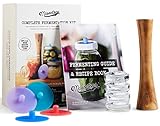
- MASONTOPS COMPLETE MASON JAR FERMENTATION KIT: Includes all the tools needed to turn your ordinary wide mouth mason jar into a fermenting machine! This home fermentation kit converts 4 jars into fermenters for making nutritious homemade sauerkraut, kimchi, pickles, hot sauce and more!
- 9 PC FERMENTATION STARTER KIT INCLUDES: 4 Pickle Pipe fermentation lids for wide mouth mason jars, 4 Pickle Pebble fermentation weights wide mouth mason jars, 1 Acacia Pickle Packer Vegetable Tamper and Bonus Printed Recipe Book. Become a probiotic vegetables maker and pickling pro with the best supplies and equipment from the #1 source.
- MAKE YOUR OWN DELICIOUS PROBIOTIC SUPERFOODS: Ferment vegetables (carrots, pickles & radishes etc.) in a brine or use your acacia wood pounder to pack tasty dry salted ferments like sauerkraut, kimchi and hot sauce. All with your lacto fermentation kit. Good stuff for your tummy and immune system!
- EASY TO USE AND MAINTENANCE FREE: Fill jars with veggies and salt or brine, add sauerkraut weights & mason jar airlock fermenting lids. No need to monitor or burp your jars, your Pickle Pipe airlock for fermenting vents gas without letting oxygen in. Your easy fermenter fermentation kit!
- FROM THE MASON JAR ACCESSORIES EXPERTS: Making your own fermented foods is fun and easy when you trust the Masontops name. Step-by-step instructions with beautiful pictures on how to easily make probiotic superfoods at home with this ball fermentation kit are included.
Last update on 2026-10-01 / Affiliate links / Images from Amazon Product Advertising API
The Art of Home Fermentation
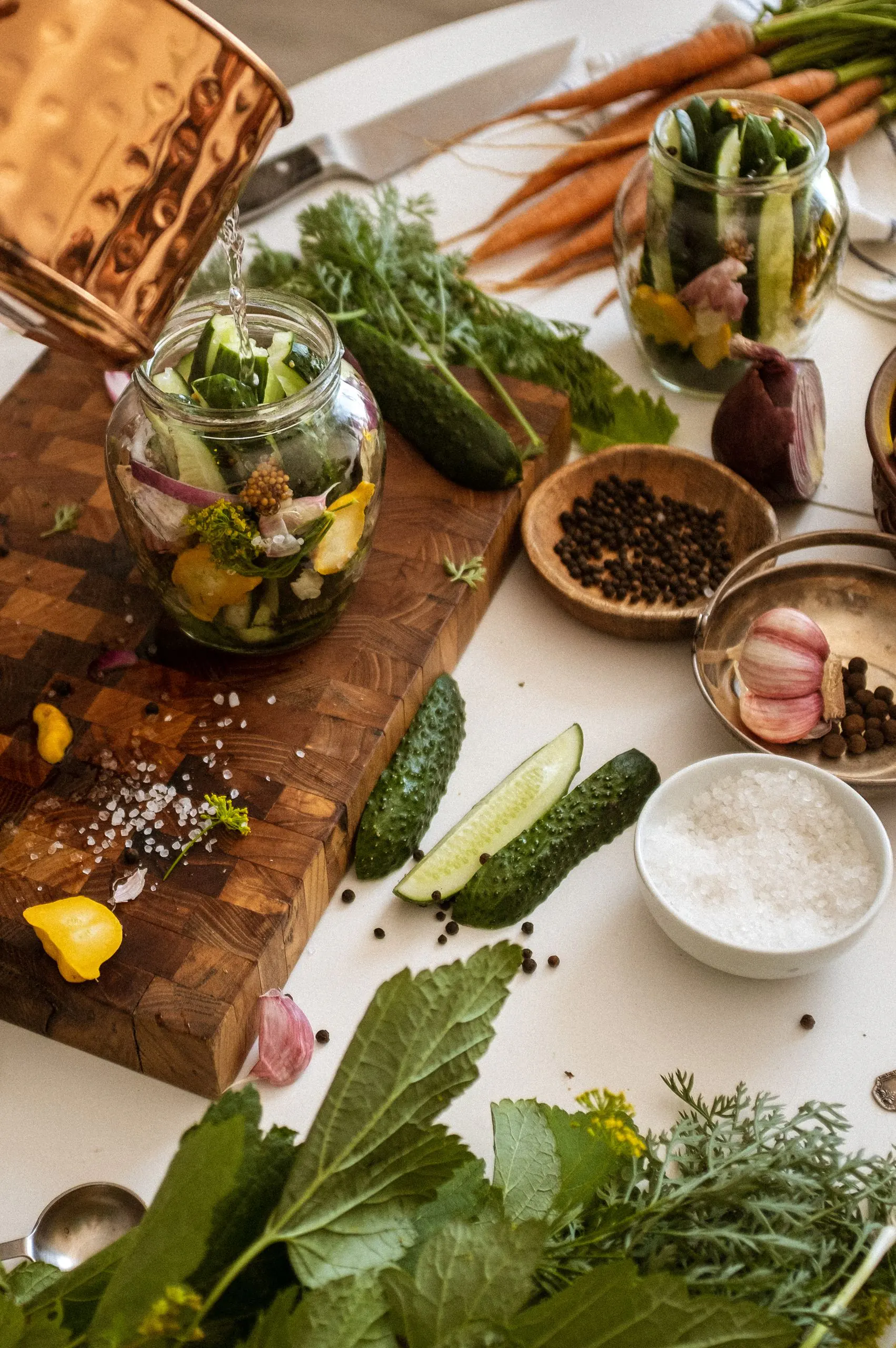
Home fermentation is an inexpensive way to enjoy fresh, probiotic-rich foods while customizing flavor, texture, and nutrition to suit you. DIY ferments let you select the inputs—salt, spices, vegetables, starter cultures—so you control the additives and microbial diversity.
It’s anaerobic, so keep food under brine. It extends the shelf life of produce and can increase probiotic levels that support gut health and immunity. Most vegetables do well in a 2–5% salt brine, so in a 1-liter jar, that is about 20–50 grams of salt.
| Recipe | Ingredients (metric) | Steps |
|---|---|---|
| Sauerkraut | 1 kg cabbage, 20 g salt (2%), spices optional | Shred, mix with salt, pack tightly, release brine, submerge, vent daily, ferment 2–4 weeks at room temp. |
| Quick Pickles | 500 g cucumbers, 15–25 g salt, garlic, dill | Make 3–5% brine, pack cukes, cover with brine, weight, ferment 3–5 days warmer, longer if cool. |
| Kimchi | 1 kg napa, 30–40 g salt, chili, garlic, ginger | Salt to wilt, rinse, coat with paste, pack, submerge, warm for 1–3 days, then chill. |
| Water Kefir | 1 L water, 50–60 g sugar, kefir grains | Dissolve sugar, add grains, cover loosely, ferment 24–48 h, strain, repeat. |
Why Bother?
Home fermentation extends the season for produce and reduces food waste. Even a droopy carrot lot can turn into crunchy pickles. Surplus cabbage becomes kraut that keeps for months.
We found that our homemade jars frequently have higher viable counts than the heat-processed store brands. Many commercial kinds are pasteurized, which reduces the number of live cultures.
You can adjust salt, heat, and aromatics to your diet and taste. Mild kimchi, low-sodium kraut, or sugar-adjusted kefir are all fair game. Passing around jars fosters community and scatters gut blessings without a hefty fee.
Fermentation times vary with temperature, salt, and food. It is faster in warm rooms and slower in cool ones. Others prefer at least a 2-week room-temperature ferment for that richer taste.
Essential Tools
- Glass jars (0.5 to 2 liters), lids, and weights to keep food submerged.
- A pickle packer or tamper accelerates vegetable packing.
- Non-reactive bowl, cutting board, knife, and scale.
- Airlocks or loose lids to vent gas.
- Filtered water; high‑quality salt or trusted starter cultures.
- Labels and a clean towel.
Make sure to use filtered water to avoid chlorine.
Opt for plain sea salt or pickling salt.
Prepare your station by spreading out your tools and ingredients before you begin.
A neat station helps avoid mistakes.
A pickle packer saves time and packs tighter, which enhances brine coverage.
Safety First
Clean hands, tools, and jars decrease the risk of spoilage. Work surfaces matter, as well.
Immerse produce completely in brine for anaerobic conditions.
If you spot mold, strange hues, or pungent solvent odors, throw it away.
Cloudy brine and bubbles are often normal. Fuzzy growth is not.
Date, salt percentage, and ingredient jar labels. Monitor flavor and consistency across days to weeks. Transfer to the fridge when the flavor peaks to slow fermentation and lock in the flavor.
Beyond the Gut Microbiome
Fermented foods function beyond the gut microbiome. They provide live microbes and bioactive metabolites that influence mood, weight, immunity, and lifetime disease risk.
Mood, weight, and immune function change in response to diet-induced microbial signals. Short-chain fatty acids, gamma-aminobutyric acid (GABA), and bioactive peptides from lactic acid bacteria can modulate the gut–brain axis, which connects the enteric and central nervous systems.
Others notice a steadier mood or less stress reactivity after introducing yogurt, kefir, or tempeh.
Weight management connects too. In another study, fermented kimchi consumption increased Actinobacteria, and higher levels were associated with reduced body fat. Immune effects pop out.
In controlled trials, fermented foods can reduce inflammatory markers and recalibrate immune cell activity, consistent with an expanding body of research identifying diet–microbe–immune crosstalk.
Microbial metabolites travel beyond the gut to influence systemic inflammation and metabolic health. Fermentation oligomerizes amino acids and releases peptides that may inhibit angiotensin-converting enzyme, thereby reducing blood pressure. Lactic acid bacteria can bind bile acids and alter cholesterol metabolism.
A variety of clinical trials associate these strains with modest reductions in LDL and improved cardiovascular profiles. Polyphenols in fermented tea, cocoa, or soy encounter gut microbes, which convert them into smaller phenolics that might enhance endothelial function and glucose metabolism.
In a culture-appropriate, moderate amount, red wine polyphenols have been shown to shift both microbiota ecology and cardiometabolic biomarkers. This must be balanced with alcohol risk.
Evidence for a broader disease perspective exists. The gut microbiome modulates colon tumorigenesis in both animal and human models, implicating a link between diet, microbes, and cancer pathways.
Although no individual food prevents cancer, a pattern featuring fermented vegetables, cultured dairy, whole grains, and fiber could help cultivate a less inflammatory milieu.
The 2025–2030 Dietary Guidelines for Americans now recognize the microbiome’s impact on health, mirroring this broader perspective. Personalized nutrition dovetails perfectly here. Fermented foods are different in matrix, strain, dose, and your baseline microbiome.
Start with small amounts and notice the differences in your digestion, energy, and mood within two to four weeks. Track specifics: 150 to 250 grams per day of live-culture yogurt, 100 to 200 milliliters per day of kefir, 30 to 60 grams per day of kimchi or sauerkraut, and 50 to 100 grams per day of tempeh. Switch up products for varied strains.
If you have high LDL, select strains with data for bile salt hydrolase. For glycemic control, combine ferments with pulses or intact grains that slow the glucose spike.
Note culture and access: miso, injera, togwa, and kvass are valid options if they fit your diet and values.
As functional foods, fermented staples answer taste, preservation, and whole-body health. This tradition dates back to 7000 BC pottery in China.
Our Conclusion
To conclude, gut gains result from consistent habits. Fermented foods help in small, often unnoticed ways. They provide more fiber. They improve stool consistency. There is less gas as time goes on. Clear wins appear in 2 to 4 weeks.
Begin with what you are going to eat.
A spoon of plain rice kimchi. A cup of kefir post-lunch. A sauerkraut side with eggs. Keep track of how you feel. Note sleep, good skin, and mood.
At home, make it clean and simple. I use brine by weight. Make sure the food stays submerged in the brine. Uncap the jar.
Mark every batch. Throw out any jar with mold or a pungent odor.
Looking for a next step? Choose one food. Make it a seven-day challenge.
Pass your notes along to a friend or our community. Let’s put together your gut playbook.

- SMART DATE-TRACKING FERMENTATION LIDS: Mfacoy’s innovative silicone pickle caps feature an easy-to-set date tracker, so you can monitor fermentation time at a glance—no guessing or forgotten batches! Perfect for sauerkraut, kimchi, pickles, and more.
- AUTOMATIC GAS RELEASE, NO BURPING NEEDED: Our patented one-way valve design vents excess CO2 effortlessly during fermentation, eliminating manual burping or messy water airlocks. Just seal and let the lid work its magic!
- PREMIUM FOOD-GRADE SILICONE: Made from 100% BPA-free silicone, Mfacoy lids are durable, dishwasher-safe, and won’t crack or warp. Safe for fermenting veggies like cucumbers, carrots, and garlic.
- PERFECT FIT FOR WIDE-MOUTH MASON JARS: Designed specifically for standard wide-mouth jars, these low-profile lids seal tightly and spoilage while saving space in cabinets or drawers.
- FOOLPROOF FERMENTATION EVERY TIME: Avoid exploded jars or failed ferments! Mfacoy’s airtight silicone seal and auto-venting valve keep oxygen out and pressure balanced for probiotic-rich, perfectly fermented foods.
Last update on 2026-10-01 / Affiliate links / Images from Amazon Product Advertising API
Frequently Asked Questions
What is food fermentation in simple terms?
Fermentation is a process in which microbes, including beneficial gut microbes such as bacteria and yeast, transform sugars into acids, gases, or alcohol. This process not only preserves food but also enhances flavor and can produce beneficial compounds found in various fermented food products such as yogurt, kimchi, and sauerkraut.
How do fermented foods support gut health?
Fermented food products provide live bacteria (probiotics) and substances that can help balance gut microbiota. Some contain prebiotics and postbiotics that may aid digestion, reduce bloating, and enhance nutrient absorption, offering potential health benefits tailored to your unique gut microbiome.
Which fermented foods are best for beginners?
Begin with probiotic yogurt or kefir, then venture into fermented foods like sauerkraut, kimchi, miso, tempeh, and kombucha. Look for ‘live and active cultures’ to support your gut microbiota. Bring in these beneficial foods slowly and see how you feel.
How much fermented food should I eat?
Start with small quantities of fermented food, such as 1 to 2 tablespoons of sauerkraut or 100 to 150 ml of kefir per day, and gradually increase as tolerated. Emphasizing a diverse gut microbiome trumps quantity. If you have a condition, consult your doctor first!
Can I ferment foods safely at home?
To achieve successful fermentation of your food, ensure you use clean tools and quality ingredients, and maintain proper salt ratios. Keeping your produce submerged in a clean jar at a cool room temperature is essential for optimal microbial composition. Always monitor for off smells or signs of spoilage, as these can indicate issues with the fermentation process.
Are all store-bought fermented foods probiotic?
No. Some fermented food products are pasteurized after fermentation, which eliminates beneficial gut microbes. Look for labels that say ‘raw,’ ‘unpasteurized,’ or ‘contains live cultures’ to ensure you’re consuming live microorganisms. Pintest’s products, which are refrigerated, are more likely to contain these live microbes than shelf-stable ones.
Who should be careful with fermented foods?
Individuals with histamine intolerance, specific gut issues, or those on immunosuppressants should be cautious about their food intake, especially concerning fermented foods that might be high in salt or FODMAPs. Pregnant individuals or anyone with concerns should definitely check with a healthcare provider before making significant changes to their diet.


