
Mastering Home Fermentation: Why Choose a Fermentation Crock Over a Mason Jar?
Our Observations
- Pick the right vessel for the task – glazed stoneware crocks for large, long ferments and glass mason jars for small, visual batches. Please inspect for chips and use food-safe, BPA-free materials to prevent toxin leaching.
- Control leaching with the right lid system. Water-sealed crocks and airlock lids are for anaerobic ferments. Upgrade your mason jars with recap lids or ferment locks to vent CO2 and block oxygen.
- Match shape and size to batch needs. Use crocks for bulk harvests, such as 5-liter or larger barrels, and mason jars for 0.5- to 1-liter experimental portions. Plan storage so jars evade direct sunlight or heat.
- Preserve food submersion uniformity with fermentation weights and glass or ceramic inserts. Cleanse with a gentle detergent and nonabrasive utensils to safeguard glazes and seals.
- Weigh the cost against the long-term value of reusable mason jars for experimentation, and purchase a quality crock if you ferment often or require stable temperature buffering.
- Have fun experimenting, and remember to label each batch with the dates!
- Join recipe or online fermentation groups for troubleshooting and rotate vessel selection based on flavor, texture, and fermentation frequency.

- MAKE YOUR OWN SAUERKRAUT, KIMCHI, AND PICKLES – The Kenley fermentation crock is a natural and easy way to make sauerkraut, kimchi, pickles, and more at home. With a 1-gallon capacity, it can hold up to 5-6lbs of vegetables, making it perfect for small batches.
- HIGH-GRADE CERAMIC AND FOOD-SAFE COATING – Crafted from the finest natural stoneware, this authentic fermentation jar ensures that the flavors you taste come only from your vegetables. A carefully designed, food-safe coating prevents oxidation and improves temperature stability, resulting in well-preserved and delicious fermented vegetables.
- GAME-CHANGING WATER SEAL – The Kenley 1 gallon sauerkraut crock is designed to make fermentation easy so you get great results every time. The water seal lid lets fermentation gases escape while keeping air out, ensuring your vegetables are properly preserved and taste great.
- ENHANCE FERMENTATION WITH WEIGHTS AND POUNDER – The fermentation crock comes with unglazed weighting stones to keep all kimchi or sauerkraut submerged under the brine during fermentation. The pounder is added to pack down the cabbage, releasing its juices and speeding up the fermentation process.
- EASY TO USE AND CARE FOR – The fermenting crock is double-glazed for easy cleaning and care. To clean, simply remove any stray vegetable matter when empty, wash with your usual washing-up liquid, and dry fully. Sturdy yet elegant, the Kenley fermentation crock looks great on any countertop.
Last update on 2026-10-01 / Affiliate links / Images from Amazon Product Advertising API
Fermentation crock vs mason jar answers which tool fits your home fermenting needs.
A fermentation crock provides weight, a saltwater seal, and a steady anaerobic zone for large batches.
Mason jars are transparent, inexpensive, and conveniently fit in refrigerators for small batches and quick experiments. Both require salt ratios, room temperature management, and hygienic handling to prevent spoilage.
It depends on your batch size, space, and how hands-on you want your maker process to be. More chapters include practical setup advice.
The Anatomy of Fermentation Vessels
Fermentation vessels, such as a large crock or a liter-sized jar, vary by material, lid system, and shape. These differences determine how you schedule batches and control oxygen levels, which is crucial for maintaining sanitation during fermentations.
The following sections cover material, lid design, and form factor so you can match vessel features to your goals and kitchen constraints.
Material
Ceramic and stoneware crocks, especially a real fermenting crock, have thick walls that buffer temperature swings and provide a neutral surface that won’t react with lactic acid.
Top-notch glazed stoneware resists mold and grit better than inferior ones. Lead-free glazes matter because acidic brines can leach heavy metals from unsafe ceramics, so choose certified food-safe pieces from your local homebrew store.
Glass containers such as mason jars and Weck jars offer complete visual access to the ferment, allowing you to detect bubbles or cloudiness without removing the lid.
Wide-mouth jars are simpler to fill and wash, making them ideal for various pickles. However, thick-walled glass insulates less than stoneware, so ferments might respond faster to ambient temperature shifts.
Avoid non-food-grade plastics, as they can scratch and hold bacteria. Instead, consider using BPA-free, food-safe plastic buckets for your fermentation process. Always sterilize whatever vessel you’re using, particularly for long ferments, to ensure a proper fermentation environment.
Lid System
Water-sealed crocks, such as a real fermenting crock, form a physical barrier with a moat of water that allows gases to escape while limiting oxygen exposure. As the water evaporates, this moat requires topping up.
Other crocks, like the Liter Harsch crock, feature double-lid systems or vacuum-style inserts that further minimize oxygen and reduce the potential for kahm yeast and mold by maintaining an ideal anaerobic environment.
Mason jars, commonly used for fermentation, come with easy-to-use screw lids by default but can be upgraded with recap lids or fermentation weights to enhance their functionality. Silicone gaskets and airlock attachments provide an escape route for CO2 without allowing oxygen to seep in.
A good seal is crucial for contamination control and ensures a successful fermentation process. A poor seal can invite wild yeasts and spoilage, compromising the quality of your fermentation batches.
Shape
Crocks are wide and deep, designed for whole cabbages, big batches, and heavy weights. They frequently feature side grips or handles for taking a brine-and-vegetable-filled crock back up the stairs. Their wide mouth allows you to simply shove leaves down and arrange stones or weights to keep food submerged, reducing exposure to contamination.
Mason jars are slender and vertical, perfect for small batches, experimental flavors, and tight real estate in tiny kitchens or refrigerators.
They stack on shelves, take up less space, and are perfect for one-jar ferments or for keeping lots of little flavors isolated.
| Vessel shape | Typical batch size | Best uses |
| Wide crock | Several liters to tens of liters | Whole vegetables, long ferments |
| Wide-mouth jar | 0.5–2 liters | Small batches, ease of access |
| Slim jar | 0.25 to 1 liter | Rapid ferments, fridge keeps |
| Bucket | Few liters – large | Sauerkraut, pickles |
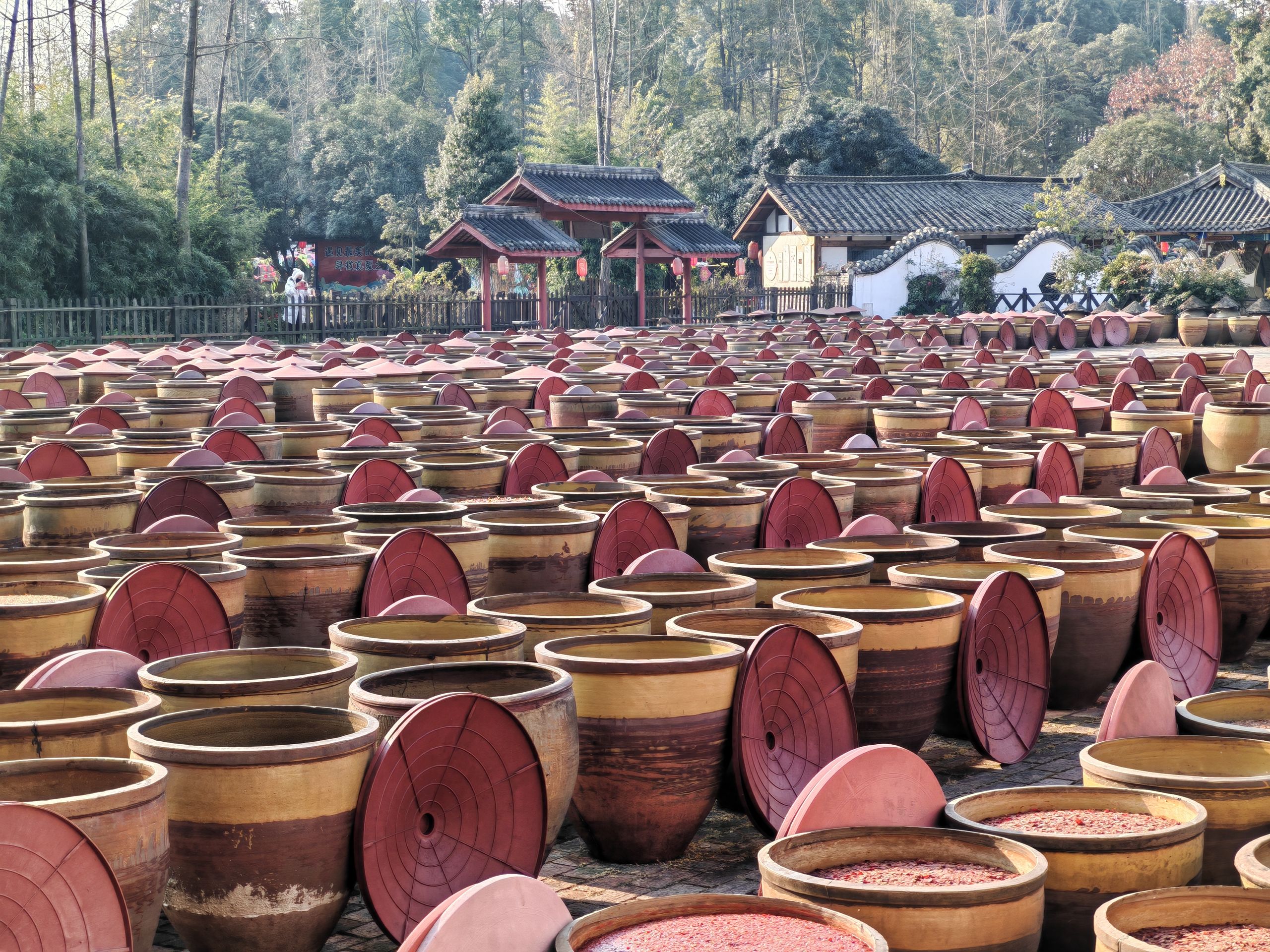
Common types of fermentation containers include stoneware crocks, glass jars, Onggi pots, and food-grade buckets.
- stoneware crocks
- glass jars
- onggi pots
- food grade buckets
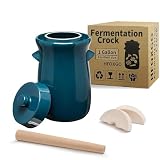
- SUPERIOR QUALITY:Constructed of thick ceramic and finished 1 gallon pickling crock suitable for Make nourishing,like german sauerkraut, pickled vegetables, kombucha, and kimchi at home. Every detail was considered to develop this restaurant-grade fermenting and pickling crock.
- Safe, Sturdy, & Versatile:Made of natural top-quality food-grade double-ceramic, this sturdy Upgrade fermentation crock won’t absorb unwanted smells or tastes & will prevent brine from leaking out.Use it as a sauerkraut crock, kimchi jar, or make fruit kombucha! Using fermented pot to keep your vegetables just a little salt water as fermented liquids.It can be retain for many years.
- Perfect Fermentation Results:The fermentation crock’s airtight water seal allows gases to escape freely, while reliably preventing outside air from getting in. Our Sauerkraut Crock is made of high quality ceramic that is non-porous, will not craze, crack or leech salty brine like many inferior quality crocks for fermenting food.Earthen ceramic blocks UV light so all nutrients and healthy enzymes remain intact for maximum sour deliciousness!
- FERMENTING CROCK SIZES:3.8L (1Gallon) fits 2-5 cabbages to make 4 mason jars of sauerkraut. As Kombucha Fermenting Vessel, makes full 2L or 10L.Water seal fermentation crock have been used to ferment and pickle foods.The clay lid lets gas escape while keeping air out, ensuring the perfect anaerobic environment within the ceramic crock.Ferment Healthy Vegetables
- Easy to wash-Our crock is made of High-grade ceramic material, fermenting crock surface and interior finished with a lead and cadmium-free glaze Smooth glazed fermenter surface and the jar mouth is reasonably designed.Hands can be directly inserted and washing is convenient.
Last update on 2026-10-01 / Affiliate links / Images from Amazon Product Advertising API
Fermentation Crock vs Mason Jar Showdown
Fermentation crocks, like the large Harsch crock, and mason jars offer contrasting advantages for the home fermenter.
We compare oxygen control, temperature stability, and batch size to help you choose the ideal fermentation vessel for your goal, whether it’s bulk kraut for the winter or new recipes for small-batch kimchi.
1. Oxygen Control
Crocks with water-sealed lids or fitted airlocks, like a real fermenting crock, offer superior oxygen exclusion and reduced spoilage risk by maintaining an anaerobic headspace. This setup simplifies the fermentation process, allowing for easy maintenance of lactic acid fermentation and skimming off kahm yeast when it does appear.
In contrast, mason jars require regular burping or the use of tools such as pickle pipes to maintain a similar anaerobic environment, which can be challenging for beginners. Poor control in these jars can lead to unwanted bacteria, turning your ferment into vinegar or an unsafe product.
When using glass jars, keep an eye on gas production within sealed containers and vent pressure as needed to prevent breakage. Additionally, investing in proper fermentation equipment, such as a fermentation weight, can help maintain the ideal anaerobic environment necessary for successful fermentation.
For those new to fermentation, understanding the advantages of different vessels, such as crocks and jars, can make a significant difference in the quality of your fermented foods.
In summary, the choice of fermentation vessel is crucial for achieving successful results. Using a large crock or a liter crock can provide an effective way to ferment various pickles, while mason jars equipped with tools like pickle pipes can serve as an alternative for smaller batches.
Whichever method you choose, ensuring proper care and monitoring will yield delicious, safe fermented products.
2. Temperature Stability
Thick-walled, glazed ceramic crocks buffer temperature swings nicely and attenuate fluctuations that disturb fermenting microbes. They’re great for root-cellar-style storage and large batches stored in basements.
Glass jars respond quickly to ambient shifts, so they’ll speed up or slow down fermentation as kitchen temperatures fluctuate. Save crocks for bulk harvests stored cold or semi-cool.
Keep jars away from direct sunlight and oven heat. Even little increases in temperature will alter fermentation speed and texture.
3. Light Exposure
Things like opaque crocks block light and protect light-sensitive bacteria and pigments, which preserves color and some nutrients in longer ferments. Unlike opaque crocks, clear mason jars allow UV and visible light to penetrate, potentially leading to color and vitamin deterioration and microbial imbalance.
Keep glass in a dark cupboard or wrap jars in cloth if light is unavoidable. Foods such as pickled garlic or cultured cheeses thrive in the darkness of crocks.
4. Batch Size
Crocks come in larger sizes—1 gal (approximately 3.8 L), 5 L, and up—for bulk making and feeding a family. Jars shine for small batches, experimenting with recipes, or producing several flavors simultaneously.
Popular jar sizes are pints, quarts, and wide-mouth half-gallons. Pair vessel size to harvest amounts and counter space. Wide-mouth crocks or jars are best because they allow for easy filling and removal of solids.
5. Material Matters
Excellent glazed ceramic is more stain- and odor-resistant than most plastics, while unglazed ceramics trap flavors and bacteria. Steer clear. Glass is inert, makes it easy to check for rot, and is dishwasher safe.
Make sure it is not chipped or cracked first. Some employ food-grade plastic buckets for a bargain-basement approach, but this is a trade-off compared with crocks or glass.
Preserving proper salinity means more than vessel type for numerous producers. One user swore by a one-gallon crock; another collected wide-mouth quart and half-gallon jars to mix up batch sizes.
Which Vessel for Which Ferment?
Select a fermentation vessel for each food type and batch size. Big ferments, like cucumbers for pickles, require a large crock that holds a lot of volume, keeps the produce submerged, and vents CO2.
Smaller or experimental projects thrive with the control and accessibility that glass canning jars provide.
Consider headspace, weight requirements, and whether you prefer a water seal or a pickle pipe lid.
For Sauerkraut
Fermentation crocks work best for large batches of cabbage, as they hold substantial quantities and often come with water seals or airlocks that keep out icky stuff while allowing CO2 to escape.
The Crock’s thick ceramic walls help keep temperatures steady and minimize skimming of mold or kahm yeast.
Leave about 2.5 cm of headspace in a crock, as the contents will expand; otherwise, you’ll end up with an overflow mess on your hands. Use ceramic or glass weights to keep cabbage submerged. A bigger vessel will require heavier or multiple weights.
Mason jars are right for households doing a liter or two; mason jars with metal bands and lids, or ideally, jars equipped with one-way airlock lids to vent gas but not oxygen. For either vessel, non-reactive ceramic or stoneware is easy to clean and stable for long ferments.
For Kimchi
Open crocks and classic Onggi pots work wonderfully with kimchi because you can easily mix and pack down the contents, preserving the texture and promoting even fermentation. An open vessel makes it easier to remove surface kahm yeast if it forms.
Mason jars are a great choice for small batches of kimchi. You can either utilize airlock lids or keep the lids loose and check daily, leaving headspace to manage gas buildup.
For Pickles
Gallon crocks or pickling crocks accommodate garden harvests and mixed pickle experiments. Thick-walled crocks keep cool, which keeps cucumbers and other firm vegetables particularly crisp.
Use glass weights or Luna Glass crock weights to hold vegetables below the brine. Larger crocks require proportionally larger weights.
For Small Batches
Grab mason jars, small canning jars, or even recycled baby food jars to test recipes or make single-meal portions! Jars save space and allow you to sample often so you can adjust salt, spice, and ferment time.
Mini crocks or one-liter glass jars come into play when you want additional surface area or intend to serve directly from the vessel.
Label jars with the date and ingredients to help you track changes and make adjustments for your next batch.
| Ferment | Recommended Vessel |
| Sauerkraut | Fermentation crock (large) or mason jar (small) |
| Pickles | Gallon/pickling crock (large) or mason jar (small) |
| Salsa (fermented) | Mason jar (small) or medium stoneware crock |
The Cost of Commitment
The decision between a fermentation vessel and mason jars revolves around upfront spend, ongoing costs, and how those align with your cooking style and kitchen space.
The subsections below detail average costs, budget options, long-term value, and the add-ons you need to purchase for reliable results. This way, you can align container style to batch size and frequency of use, whether you choose a liter crock or a mason jar.
Initial Investment
Fermentation crocks usually cost a bit more upfront than mason or typical glass canning jars, particularly for good stoneware with a water-sealed lid. Small, 1–2 liter crocks or hobbyist models cost more per liter of fermentation space than jars.
A 10-gallon Ohio crock, for instance, can run about $87, plus about $42 in shipping, making the unit price substantial compared to a set of jars. Mason jars are inexpensive, ubiquitous, and likely already around the house, and wide-mouth or Fido jars provide a super low-cost entry point into fermenting without special equipment.
Specialty crocks from artisan makers or brands like Harsch or Mad Millie include features such as glazed weights, fitted lids, or thicker walls, and they come at premium prices. Some fermenters swear a good crock is worth more than 100 jars because it eliminates many small containers and makes large batches easier.
For starters, go with repurposed jars or used crocks, and then trade up to a dedicated crock as you make bigger or more frequent batches.
Long-Term Value
A good stoneware crock can live for decades if you care for the glaze and avoid thermal shock. In the long run, durability usually trumps the higher upfront cost for habitual fermenters.
Mason jars aren’t just for fermenting; they’re used for canning, storing, and meal prepping, so they remain useful and help minimize waste if your fermenting is infrequent.
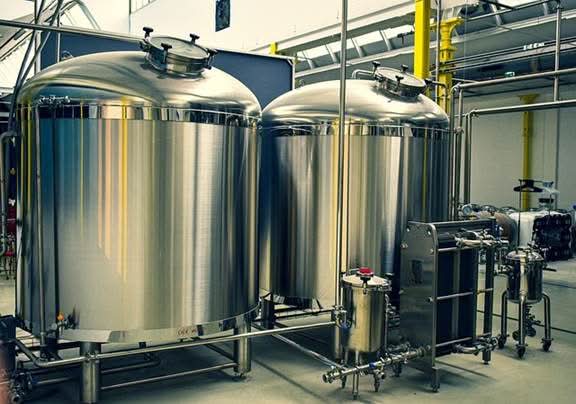
Evaluate how often you ferment and the volume you need. A five-gallon food-grade plastic bucket can fill the gap where multiple jars aren’t practical. Large crocks that hold 25 to 30 gallons or more are suited for those who ferment at scale.
Necessary Accessories
Crocks themselves tend to have glazed weights and water-sealed lids. Jars usually require additional accessories to control gases and retain brine.
Sanitize with mild dish soap and diluted bleach. Don’t use abrasive pads that scratch glaze or glass.
Essential add-ons for both crocks and jars include:
- Fermentation weights
- Airlock devices
- Pickle pipe lids
- Glass weights
Glass weights and silicone lids are cheap and simple to find. Second-hand jars, food-grade buckets, or wide-mouthed jars keep the cost of commitment reasonable as you discover which vessel suits your rhythm.
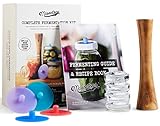
- MASONTOPS COMPLETE MASON JAR FERMENTATION KIT: Includes all the tools needed to turn your ordinary wide mouth mason jar into a fermenting machine! This home fermentation kit converts 4 jars into fermenters for making nutritious homemade sauerkraut, kimchi, pickles, hot sauce and more!
- 9 PC FERMENTATION STARTER KIT INCLUDES: 4 Pickle Pipe fermentation lids for wide mouth mason jars, 4 Pickle Pebble fermentation weights wide mouth mason jars, 1 Acacia Pickle Packer Vegetable Tamper and Bonus Printed Recipe Book. Become a probiotic vegetables maker and pickling pro with the best supplies and equipment from the #1 source.
- MAKE YOUR OWN DELICIOUS PROBIOTIC SUPERFOODS: Ferment vegetables (carrots, pickles & radishes etc.) in a brine or use your acacia wood pounder to pack tasty dry salted ferments like sauerkraut, kimchi and hot sauce. All with your lacto fermentation kit. Good stuff for your tummy and immune system!
- EASY TO USE AND MAINTENANCE FREE: Fill jars with veggies and salt or brine, add sauerkraut weights & mason jar airlock fermenting lids. No need to monitor or burp your jars, your Pickle Pipe airlock for fermenting vents gas without letting oxygen in. Your easy fermenter fermentation kit!
- FROM THE MASON JAR ACCESSORIES EXPERTS: Making your own fermented foods is fun and easy when you trust the Masontops name. Step-by-step instructions with beautiful pictures on how to easily make probiotic superfoods at home with this ball fermentation kit are included.
Last update on 2026-10-01 / Affiliate links / Images from Amazon Product Advertising API
Upgrading Your Mason Jar
Mason jars are great for little, fast ferments. Some specific upgrades narrow the divide with crocks and enhance results.
Add airlock lids, silicone inserts, and weights to control oxygen, keep veggies submerged, and vent gas.
These enhancements allow jars to be used for longer ferments and for crops susceptible to yeast or mold. If you plan to scale up later, note that crocks allow larger batches and a different set of trade-offs.
They may hold many liters, can be water-sealed to keep out insects, and, when full, can weigh up to about 23 kg, so test for cracks and account for handling and storage.
Jar upgrades are for when you want flexibility, and crocks are for when you need volume.
Airlock Lids
Airlock lids transform a basic mason jar into an anaerobic ferment vessel by sealing the jar while allowing CO2 to escape via a one-way valve, minimizing the risk that aerobic spoilage organisms will take hold.
They exclude oxygen while venting gases, allowing lactic acid bacteria to thrive and keeping yeast and mold growth low during the active stage.
Use airlock lids for longer ferments or when fermenting cucumbers, hard sauerkraut, or low-salt batches that lawnmower ferment or develop kahm yeast.
Verify lids seal properly prior to usage, and disassemble and sanitize the airlock components after each batch to prevent cross-contamination.
Fermentation Weights
Just make sure to keep your food under the brine. Glass or ceramic weights keep shredded cabbage or whole vegetables submerged under liquid in both jars and crocks, reducing the chance of surface mold and uneven brine exposure.
Free glass weights and “luna” glass crock weights can be found at homebrew stores and online ferment-supply vendors.
They fit jars or nestle inside crocks and are easy to clean.
Skipping weights results in skim mold or spotty fermentation, and air-exposed crocks can show kahm yeast even when otherwise okay.
- Glass disk weights are flat, heavy, and easy to fit in wide-mouth jars and small crocks. They are easy to clean and inert.
- Ceramic weights are heavier and excellent for dense packs. Glazed surfaces are stain-resistant but will chip if dropped.
- DIY jar weight is tiny sterilized jars or tubes packed with water. They are cheap and pliable for weird shapes.
- Silicone rings or beads are flexible and lightweight, making them great for delicate produce. Look for a food-grade rating.
Silicone Inserts
Silicone pickle-pipe lids and low-profile lids are essential for creating an ideal anaerobic environment, allowing gas to escape while preventing air and dust contamination. They flex to fit various pickles and are easy to clean, making them a great choice for those using a fermentation vessel.
Many options are BPA-free and dishwasher-safe, making them ideal for reuse by homebrew enthusiasts.
These silicone parts are particularly beneficial for new fermenters seeking low-maintenance solutions and for those with small kitchens where space and odor control are crucial. It’s important to replace inserts that show signs of wear, as compromised seals can trap harmful bacteria.
The inserts work well with weights and airlocks, forming a modular small-batch fermenting system, ideal for producing batches fermenting in a liter crock or other fermentation equipment.
This setup is perfect for those looking to explore new recipes in their home kitchens.
Beyond the Obvious: The Fermenter’s Feel
The selection of a fermentation vessel, such as a real fermenting crock or a glass canning jar, influences far more than the result; it shapes your method, ethos, and perception of artisan practices.
A proper fermentation setup, including an ideal anaerobic environment, determines your workflow and the sensory atmosphere in your kitchen, enhancing the overall fermentation process.
The Ritual
A 19-liter (5-gallon) fermentation vessel frequently marks the point of arrival for big harvests and family recipes, when brining and pressing begin to feel like a weekly chore connected to seasonality and ritual. The weight and bulk create deliberate steps—chop, pack, weigh, seal, and check—that can feel grounding.
Using a large crock can enhance your fermentation process by allowing ample space for various pickles.
Mason jars lend themselves to short, quick runs and a hectic lifestyle. They let you start a small batch in minutes and move it to the fridge the moment it spikes.
Jars make it simple to test mini-recipes and rotate flavors without a major commitment.
Get kids or guests involved. Let them press cabbage, smell the brine, and watch bubbles rise. These hands-on moments are great for teaching patience and kitchen skills. Maintain a modest log that includes the date, salt ratio, temperature, and tasting notes to accumulate a family ledger of ferments.
Expect sensory change. Cabbage can give off juices within 15 to 20 minutes. Smells may be off-putting at first, and you may need to skim Kahm yeast occasionally.
These are natural and diminish with exposure, ensuring that your fermented food reaches its full potential over time.
The Aesthetics
Ceramic crocks and onggi pots provide an artisan, rustic feel to counters and shelves. Their texture and glaze convey craftsmanship. They complement farmhouse or vintage kitchens perfectly and make a great conversation piece when filled with colorful kimchi or beets.
Glass jars provide a clean, clinical aesthetic and the clear advantage of visibility. You can observe the texture, color, and gas activity without opening the vessel.
Weck jars and classic Mason jars fit minimalist and modern counters and store easily in a fridge for months.
How about displaying crocks or jars where light can help show color, but not direct sun, to preserve flavor? Select a vessel that suits your kitchen decor.
Matte stoneware crock creates a cozy feel while clear glass gives a neat appearance.
The Community
Home fermenting flourishes both online and in person, with enthusiasts swapping advice on salt percentages, timetables, and containers in forums and workshops. Take a local class or join an online group to get hands-on troubleshooting for kahm or under-fermentation.
Purchasing from a potter or local sustains craft and builds a stronger connection to place and maker.
When you share extra jars, starters, or cuttings, you’re building neighborhood connections and spreading skills.
Expect varied preferences: some like open crocks for ease of access, others prefer water-sealed crocks to limit oxygen. Both work when used with care. Fermented jars usually keep for three months or more in the fridge, and as long as you handle them properly, they’ll be fine and delicious.
Our Conclusion
You can choose a crock for extended ferments and larger quantities. You can opt for a jar for quick pickles and small samples.
Crocks keep brine stable and oxygen at bay with weight and an airlock. Jars retain heat and minimize gas if you use a lid and burp them each day.
For kimchi, kraut, and long sour pickles, use a crock. For carrots, beets, and trial jars, use a mason jar.
Go for an upgraded jar with weight and a lid for mid-size jars. For example, a 2 kg crock will hold a week’s worth of family kraut. A 1 L jar holds a snack-sized portion of carrots.
Try both. Post your notes and a photo in the community so others can learn.
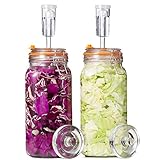
- Thick, Lead-Free Glass Fermentation Jars: Made from durable, lead-free glass, these glass fermentation jars are designed for repeated batches and everyday use. The clear glass construction gives each fermenting jar a clean, timeless look while beautifully displaying your ferments
- Complete Fermentation Kit for Homemade Ferments: Includes 2 wide mouth 2L glass fermentation jars, 2 glass fermentation weights, 2 airlocks, silicone grommets, and silicone seals. A complete fermenting kit for making sauerkraut, kimchi, pickles, hot sauce, and other fermented foods at home
- Wide Mouth Fermenting Jars for Easy Filling & Cleaning: The wide mouth opening makes it easier to pack cabbage, cucumbers, and other vegetables, place the glass weights, and clean each jar thoroughly after use. A practical design for everyday home fermentation
- Airlock Fermentation System for More Consistent Results: Each fermentation jar includes a clamp lid, silicone seal, silicone grommet, and 3-piece airlock to release gas automatically while helping reduce outside air exposure. Ideal for creating a more stable fermenting environment with less daily maintenance
- Glass Weights Help Keep Ferments Fully Submerged: The included glass fermentation weights help hold vegetables below the brine, which is essential for a cleaner, more reliable fermentation environment when making sauerkraut, kimchi, pickles, and more
Last update on 2026-10-01 / Affiliate links / Images from Amazon Product Advertising API
Frequently Asked Questions
Do crocks ferment better than mason jars?
Crocks, like a real fermenting crock, often provide more stable temperatures and built-in airlocks, which are well-suited for long ferments. Mason jars, such as small canning jars, are great for small, fast ferments.
How do I prevent mold in a mason jar ferment?
Keep veggies submerged under brine in a proper fermentation vessel like a liter crock. Utilize weight and sealed lids or airlocks, such as a pickle pipe lid, to maintain an ideal anaerobic environment. Keep at cool, steady temperatures.
Which vessel is best for sauerkraut, kimchi, and pickles?
Sauerkraut and long kimchi do well in fermentation vessels like crocks for even, consistent conditions. Quick pickles and small batches are ideal for glass canning jars. Decide based on batch size, ferment time, and available pantry space.
Are fermentation crocks worth the cost?
If you ferment frequently or in large batches using a fermentation vessel like a large crock, it saves you time in the long run through convenience and consistency. For infrequent use, a small canning or mason jar is less expensive and more versatile. Think about your frequency, batch size, and storage space.
Can I convert a mason jar into an airlocked fermenter?
Yes. Purchase a screw-top lid adapter with an airlock device or use a breathable pickle pipe lid with a weight. These options are cheap and minimize oxygen exposure while keeping glass jars cheap and space-friendly.
How do I clean and care for a fermentation crock?
Wash your fermentation vessel with hot water and mild soap, avoiding abrasive pads on glazed surfaces. Allow to dry completely prior to storing in the pantry to maintain the ideal anaerobic environment for your fermented food.


