
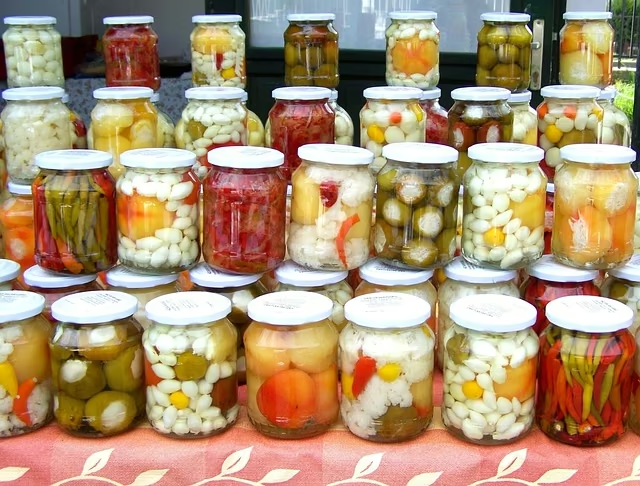
How to Make Fermented Sauerkraut at Home: Simple Steps for Crisp, Tangy Results
Overview
- Fermented sauerkraut is shredded cabbage preserved by lactic acid fermentation in salt and brine. It provides a tangy flavor, extended shelf life, and live probiotics when unpasteurized. Use fresh, dense cabbage and non-iodized salt. Aim for something like 2% salt by weight for consistent results.
- Press all solids beneath brine to ensure anaerobic conditions in which lactic acid bacteria dominate and spoilage organisms can’t survive. In cabbage leaf and fermentation weight, add saltwater brine as needed.
- Watch for physical changes such as bubbles, cloudiness, and slow softening as sugars turn into lactic acid. This process takes days to weeks. Taste daily and transfer the kraut to the refrigerator when the sourness and texture are to your liking.
- For gut health and nutrition, seek out live, unpasteurized sauerkraut which maintains probiotics, vitamin C, K2, and B vitamins. Sprinkle small daily servings onto your salads, grain bowls, or sandwiches to enhance digestion and immune support.
- Avoid common pitfalls by sterilizing implements, using the appropriate salt percentage, and checking brine levels daily as the sauerkraut ferments. Take off a benign white pellicle and toss out only if there is colored, fuzzy mold or stinky rot. Regulate texture by temperature and shred size.
- Save your finished kraut in airtight jars in the refrigerator, with all the cabbage submerged, for several months of quality. Mark batches with dates, serve with clean utensils, and rotate jars to keep your supply fresh.
Sauerkraut is shredded, fermented cabbage that is preserved with salt through lactic acid fermentation. It is produced by brining cabbage in a 2% salt brine and relies on Lactobacillus to lower the pH to around 3.5, which keeps it safe and crunchy.
A 3-week cure at 18 to 20 degrees Celsius delivers both tangy flavor and firm consistency. Just one 50-gram serving provides fiber, vitamin C, and live cultures.
To schedule batch size, jar varieties, and secure storage, the next sections deconstruct the method, pointers, and seasoning add-ons.

- 𝗨𝗡𝗜𝗩𝗘𝗥𝗦𝗔𝗟 𝗪𝗜𝗗𝗘-𝗠𝗢𝗨𝗧𝗛 𝗙𝗜𝗧 – Includes 3 stainless steel venting lids and 3 fermentation weights, designed to fit wide-mouth mason jars (jars not included). The Ultimate Fermentation Kit fits 4 oz, 8 oz, 16 oz, 32 oz, and 64 oz jars with a standard 3.375-inch wide-mouth opening. Dishwasher-safe and made with 100% BPA-free materials, this fermentation kit is designed for beginners and experienced home fermenters.
- 𝗠𝗔𝗞𝗘 𝗚𝗨𝗧 𝗛𝗘𝗔𝗟𝗧𝗛𝗬 𝗣𝗥𝗢𝗕𝗜𝗢𝗧𝗜𝗖 𝗦𝗨𝗣𝗘𝗥𝗙𝗢𝗢𝗗𝗦 – Fermenting veggies loads them with gut-friendly probiotics to support the health of you and your family. Fermented foods are a great way to get live, active probiotics into your gut. Get the Ultimate Fermentation Kit today to start making fermented superfoods. Click Add to Cart now!
- 𝗘𝗔𝗦𝗬 𝗙𝗘𝗥𝗠𝗘𝗡𝗧𝗔𝗧𝗜𝗢𝗡 𝗪𝗜𝗧𝗛 𝗡𝗢 𝗛𝗔𝗦𝗦𝗟𝗘 & 𝗡𝗢 𝗠𝗘𝗦𝗦 – The one-way airlock vents make safe, delicious ferments without needing to burp the jars. The mess free design of The Ultimate Fermentation Kit works great from day 1 all the way to day 30+. Simple and maintenance-free fermentation. It’s perfect for sauerkraut, kimchi, pickles, and more. Try it today!
- 𝗗𝗢𝗡’𝗧 𝗦𝗣𝗢𝗜𝗟 𝗕𝗔𝗧𝗖𝗛𝗘𝗦, 𝗗𝗢𝗡’𝗧 𝗟𝗘𝗧 𝗩𝗘𝗚𝗚𝗜𝗘𝗦 𝗙𝗟𝗢𝗔𝗧 – Floating vegetables are the #1 cause of mushy, moldy, wasted ferments. Our stainless steel fermenting springs push down veggies with consistent pressure and re-adjust their position as cabbage moves during the fermentation. Keep your ferments safe and delicious with the Ultimate Fermentation Kit. Get the Ultimate Fermentation Kit Today.
- 𝗙𝗥𝗘𝗘 𝗙𝗘𝗥𝗠𝗘𝗡𝗧𝗔𝗧𝗜𝗢𝗡 𝗚𝗨𝗜𝗗𝗘 & 𝗨𝗟𝗧𝗜𝗠𝗔𝗧𝗘 𝗟𝗜𝗙𝗘𝗧𝗜𝗠𝗘 𝗪𝗔𝗥𝗥𝗔𝗡𝗧𝗬 – The Ultimate Fermentation Kit comes with beginner recipes for kraut, kimchi, and pickles, and how to tell healthy ferments from batches to toss. We offer our Ultimate Lifetime Warranty and Money-Back Guarantee. If you are not satisfied for any reason or want to replace any broken part, just message our customer support team, and we will help you. Try the Ultimate Fermentation Kit risk-free today.
Last update on 2026-10-01 / Affiliate links / Images from Amazon Product Advertising API
What is Fermented Sauerkraut?

Finely shredded green cabbage, preserved in salt and its own juice, undergoes lactic acid fermentation, resulting in homemade sauerkraut.
Originating in Central and Eastern Europe, this basic sauerkraut recipe is one of the original probiotic foods.
Raw cabbage transforms into a tart, sour kraut that promotes digestion and immunity through the healthy bacteria it contains.
| Aspect | Homemade | Store-bought |
|---|---|---|
| Microbes | Wild, diverse lactic acid bacteria | Often pasteurized; live cultures vary |
| Texture/Flavor | Customizable crunch, salt level, add-ins | Standardized, sometimes milder |
| Ingredients | Cabbage, 2% salt, optional spices/veg | May include vinegar, sugar, preservatives |
| Cost | Low per kilogram | Higher per kilogram |
| Control | Full control of salt, time, variants | Limited; read labels for “unpasteurized” |
| Shelf Life | Months in cool storage | Longer unopened; check best-by date |
1. The Cabbage
Use crisp, compact heads. They retain the moisture and sugars necessary for consistent fermentation. Green or white cabbage provides that classic taste and a light-colored brine, while red cabbage yields a beautiful magenta kraut with a slightly earthier flavor and higher anthocyanin levels.
Discard the outer leaves and core for more even shredding and fresh flavor. Shred to two to three millimeters for a firm bite; shred finer for a softer kraut.
Add-ons like carrots, beets, or a sprinkling of caraway seeds alter the color, aroma, and nutrients without masking the underlying cabbage note.
2. The Salt
Pick non-iodized sea or kosher salt. Anti-caking agents and iodine can kill lactic acid bacteria. Aim for 2% salt by weight of cabbage. For 1,000 grams of cabbage, use 20 grams of salt.
Salt draws out water by osmotic pressure, turning the mix into brine, suppresses spoilage bacteria, and provides ideal conditions for lactic acid bacteria. Ditch table salt with additives.
3. The Microbes
Lactobacillus, Leuconostoc, and Pediococcus species lead fermentation, transforming cabbage sugars into lactic acid. In a salty, oxygen-free jar, these strains outcompete spoilage organisms and create acidity.
Wild fermentation depends on microbes already on the leaves, so no starter is necessary. Their labor produces sourness, carbon dioxide, B-vitamins, and metabolites such as isothiocyanates, which have been studied for anti-cancer properties.
4. The Brine
Massage salt into the shred until juice accumulates. Press down firmly so brine covers solids. Submerge all cabbage in brine with the reserved leaves, and weigh to block oxygen.
If required, add more 2% saltwater to top up and cover fully.
5. The Transformation
Over 1 to 4 weeks at 18 to 22 degrees Celsius, cabbage breaks down and becomes sour. Bubbles, a slight fizz, and cloudy brine are signs of good fermenting action.
Probiotics increase, the fiber stays, and vitamins get concentrated. Some folks experience gas from the raffinose. Your finished kraut will keep for months when stored in an airtight jar in the cold.

- Digestion Supplement: Our Sauerkraut Postbiotic is a friendly companion for your digestive system, offering support for gut health and regular nutrient absorption*
- Gut Health Support: Each serving of this gut supplement also offers immune system support by aiding a healthy gut microbiome*
- Immune Support: This digestive supplement contains 1.2 grams of organic fermented sauerkraut juice concentrate extract in vegan capsules, making immune support simple for those who don’t prefer to eat sauerkraut*
- Our Commitment to Quality: We thoughtfully source high-quality ingredients from around the world, guided by integrity and a deep respect for people, plants, and the planet
- About Gaia Herbs: For over 35 years, Gaia Herbs has helped people live healthier, more balanced lives by formulating products based on traditional herbal approaches while seeking support from modern science. We carefully oversee every step from soil to supplement to ensure purity, quality, and integrity you can trust.
Last update on 2026-10-01 / Affiliate links / Images from Amazon Product Advertising API
Why Eat Fermented Sauerkraut?

That’s in addition to being a low-calorie, high-fiber food, so fermented sauerkraut supports weight goals while helping digestion.
The live cultures provide probiotics that help create a balanced gut microbiome. It doubles as a tangy, multi-purpose condiment and a consistent nutrient powerhouse you can drop into bowls, wraps, and mains.
When incorporated into a balanced diet, it supports overall health markers across energy, regularity, and immune tone.
Gut Health
Live sauerkraut contains lactic acid bacteria (LAB), such as Lactobacillus plantarum and Leuconostoc species, that populate the gut and produce lactic acid. This lowers pH, outcompeting pathogens and fostering a robust microbiota. Fiber provides bulk and feeds great microbes.
Fermentation enzymes help break down carbohydrates, which can alleviate gas for some individuals. Daily consumption is associated with lower intestinal inflammation, in part via the generation of short-chain fatty acids such as butyrate. Short-chain fatty acids feed colon cells and tighten the gut barrier.
Other research has found reduced nitric oxide production, which may pacify inflammatory processes. Increased microbial diversity is associated with more stable mood and immune function through the gut-brain and gut-immune axes.
Most people begin with 1 to 2 tablespoons per day and build up, observing their tolerance.
Nutrient Boost
Fermentation increases the bioavailability of nutrients by breaking plant cell walls, so you extract more from your same cabbage base. Vitamin C remains elevated in raw, unpasteurized kraut, which bolsters collagen development and immune support.
Vitamin K2 is produced through fermentation and directs calcium to the bones and away from the arteries. B vitamins, including some B12 analogs, can increase, though amounts differ by batch. Studies indicate potent antioxidant effects of sauerkraut.
Penas et al (2010) mention antioxidant and anticarcinogenic compounds that may suppress NO production. This could account for anti-inflammatory effects seen in certain studies, though further trials are required.
These antioxidants nestle alongside minerals such as potassium, along with trace amounts of iron and manganese.
Use sauerkraut as a nutrient-dense layer on grain bowls, folded into salads with olive oil, tucked in sandwiches with hummus or roast chicken, or served next to eggs and cooked beans. If you’re new to fermented foods, keep portions small.
Immune Support
Probiotic-packed sauerkraut can help train the immune system by enhancing barrier function and tempering overzealous responses. Lactic acid bacteria help block harmful microbes by competing for space and resources and lowering pH.
SCFAs and other microbial metabolites signal to immune cells, directing them toward equilibrium rather than perpetual alert. A more stable gut barrier could reduce the risk associated with certain infections and chronic inflammatory conditions.
Note: Sauerkraut is high in histamine and tyramine, which can interact with MAOIs and affect those with histamine issues. Select fresh, unpasteurized kraut for the live cultures. Add it at the end of hot dishes to prevent heat kill.
How to Make Fermented Sauerkraut
Sauerkraut is easy to make with a basic sauerkraut recipe using lacto-fermented cabbage. You just need cabbage, salt, and a clean container, while proper fermentation ensures the right brine and friendly microbes for delicious homemade sauerkraut.
Your Tools
Use a sharp knife or mandoline to ensure shreds are consistent. A uniform cut size promotes uniform fermentation and a consistent texture. Shoot for 1 to 2 mm strands.
Choose a nonreactive vessel: glass jar (0.75 to 2 liters), ceramic crock, or food-grade plastic. No corrodible metal in brine.
Use a weight to keep the cabbage submerged: a glass puck, a ceramic weight, or a smaller water-filled jar nested inside. Fit an airlock lid or a loose lid with a silicone water seal so carbon dioxide escapes and oxygen stays out.
Rinse everything with hot water and a fragrance-free detergent. Rinse thoroughly. Air dry. This reduces the danger of wild microbes, mold, or film yeasts.
Your Cabbage
Select crisp, fresh heads; organic or pesticide-free is ideal for pure taste and consistent microbial culture. Green or white cabbage both work. Red ferments but tends to bleed color.
Weigh the trimmed cabbage to determine salt level. For home scale, one tablespoon (15 ml) of fine sea salt per one and one-quarter pounds (approximately 570 g) of cabbage yields a salinity close to 2%.
Slice super thin. Thin shreds yield juice more quickly and pack more tightly, which accelerates brine formation. Save 1 to 2 outer leaves as a top layer to corral floaters and shield shreds from air.
Your Salt
Aim for 2% salt by cabbage weight to achieve the perfect acidity, crunch, and microbial harmony. Mix well.
Sprinkle shreds with salt in a large bowl and massage until the cabbage weeps brine. Let it stand for 10 minutes and press again.
Don’t over-salt. It can stall fermentation. Too little salt risks soft kraut and spoilage.
If brine is short, make 1% brine by dissolving 1 teaspoon (5 ml) of salt in 1 cup (240 ml) of water and adding just enough to submerge.
Your Process
Salted cabbage is packed in layers in the jar, pressed hard to expel air pockets and allow brine to rise. Top with reserved leaf and the weight so all solids sit under the liquid.
Install an airlock lid, or leave the lid slightly loose so the gases can escape. Ferment at 21 to 24 degrees Celsius (70 to 75 degrees Fahrenheit). Temperatures below 16 degrees Celsius (60 degrees Fahrenheit) slow or hinder fermentation.
Temperatures above 24 degrees Celsius (75 degrees Fahrenheit) can soften the texture. Inspect once a day. Be sure all is submerged, add brine if needed, and skim any benign surface scum.
Taste from the 5th day for small jars. Complete fermentation takes 3 to 4 weeks at 70 to 75 degrees Fahrenheit. A longer time leads to a sourer, softer texture, while a shorter time results in a crisp, mild flavor.
Tip salt down toward 1.5% for faster, lighter kraut or up to 2.5% for slow, firmer results in warm rooms. Once the flavor is correct, refrigerate to arrest fermentation. It stores for six months or more.
![Raw Organic Fermented Sauerkraut, “Classic” Variety [Vegan, Gluten Free, Non-GMO, Probiotic] 16 oz Glass Jar - Wise Goat Organics](https://m.media-amazon.com/images/I/41slxc+X3xL._SL160_.jpg)
- $7.99 Flat Rate Shipping – Mix and match anything in our shop, no limits.
- Probiotic-Rich for Gut Health – Enhanced flavor and probiotic benefits from traditional extended fermentation to support gut health, digestion, and overall wellness.
- Organic Ingredients – Made with clean, nutrient-dense ingredients from local certified organic and biodynamic farms.
- Unpasteurized Raw & Vegan-Friendly – Never heated, and perfect for vegan, paleo, and keto lifestyles.
- Crafted the Traditional Way – Small batches, hand-cut, and wild-fermented with no added sugar or vinegar. Always fermented and packed in glass, never plastic.
Last update on 2026-10-01 / Affiliate links / Images from Amazon Product Advertising API
The Fermentation Journey
Record time, temperature, and taste while making your homemade sauerkraut.
Observe changes in texture, flavor, and brine transparency as friendly microbes transform the cabbage in this homemade sauerkraut recipe.
The First Days
Anticipate early fizz and slight raising of the cabbage bed due to CO2 formation. This is when Day 0 appears most microbially diverse. The initial 48 hours lead to a dramatic decrease in bacterial species, as salt and increased acidity isolate lactic acid bacteria (LAB).
Leuconostoc mesenteroides typically takes charge, dropping pH and generating gas, which shifts the jar’s pressure and the brine’s appearance. Make sure all the shreds remain submerged under brine. Pressing uses a weight, leaf cap, or small jar as a press.
Check daily. If brine sinks below, press or add two percent salt brine, which is twenty grams of salt per one liter of water. Burp the jar every day during the first few days to vent CO2 and prevent blow-offs. Short, sharp smells—sulfur, tang, a hint of dairy—are par for the fermentation course.
Tap water? Fill a vessel the day before, then leave it open so the chlorine can escape.
The Active Stage
Activity ramps up: more bubbles, rising cloudiness, and a thicker brine as microbial biomass grows. L. Mesenteroides remodels the niche, clearing the path for Lb. Brevis and Lb. Plantarum. Enterobacteriaceae diminish with salinity and acidity.
By days 2 to 3 at 18 °C, you have a ‘young’ sauerkraut with a light tang and crisp bite. Begin sampling around day 7. Dig out a mini-forkful from underneath the brine.
Observe the sourness, crunch, and aroma.
Record the pH if you monitor it. Most shoot for a pH of 4.0 or less for safety and style. A white, flat yeast (kahm) may develop on the surface. Let it skim; it is harmless, but if you neglect it, it adds off notes.
Press the cabbage to keep it submerged and the rim clean. Maintain a consistent room temperature for uniform results. At around 18 °C, complete fermentation may require a month or so. Warmer rooms accelerate the process but can soften the texture.
Cooler rooms slow it down and hold the crunch.
The Final Product
Key traits to spot at maturity:
| Feature | Target |
|---|---|
| Aroma | Clean, lactic, lightly sour; no rot notes |
| Texture | Tender yet crisp; strands hold shape |
| Brine | Cloudy but clear of floating shreds; no slime |
| Taste | Balanced salt, lactic tang, faint esters |
Move jars to the fridge to stall fermentation and seal flavors. Sauerkraut remains live and probiotic, so toss it atop bowls, grain salads, or simple sandwiches without heating it.
Mark your jars with the date, salt percentage, temperature, and tasting notes for rotation and future tweaks. This practice echoes why people fermented for winter: to preserve food, keep nutrients, and build flavor that holds.
Troubleshooting Your Ferment

Troubleshooting Your Ferment
Understand what’s normal, what requires action, and how to stop repeats. Standard targets are 2% to 2.5% salt by weight, 65 to 72°F (18 to 22°C), jars packed 75 to 80% full with 5 cm headspace, and ferment for 1 to 4 weeks, tasting from day 5 to 7.
Unwanted Growth
Common kahm yeast resembles a thin, matte white skin, sometimes wrinkled and often with an alcoholic scent. It rests on top, not in the cabbage. Skim it with a clean spoon, wipe the jar walls, and re-submerge the kraut.
Discard the batch only if you observe fuzzy or brightly colored (blue, green, black, or pink) growth, or if it emits a pungent, putrid odor. If in doubt, don’t taste. Visual fuzz combined with a harsh putrid smell is plenty to dub it.
Press all solids below brine. Employ a weight and leaf cap. Add 2% brine if liquid dips. Fill jars 75 to 80 percent full, leaving approximately 5 centimeters of headspace for gas and expansion. A wide-mouth jar makes it easier to skim and vent.
Cut your risk with clean hands, tools, and a cutting board. Weigh salt for 2.0 to 2.5 percent of total mass, or a heaping tablespoon per 1 kilogram of cabbage if you can’t weigh. Seal well with an air lock or burp daily in the early days.
Odd Smells
A fresh sour tang is typical. The first few days can reek, even smell sulfurous, as gases vent off. This usually diminishes by week one. Rotten, meaty, or fecal notes indicate spoilage, and you need to toss it.
Escape trapped CO2. Troubleshooting Your Ferment: Airlock lid, or crack the cap once a day for 3 to 4 days (especially with wide-mouth jars, where gas escapes super fast). Maintain headspace around 5 cm to avoid spills and stink.
Remove any slimy, gray, or browned bits close to the surface. Off bits can seed odors. Re-press the remainder under brine, then wipe the rims.
Begin with fresh, firm cabbage. Old or bruised leaves deteriorate quickly and stink even more. Rinse grit, strip wilted outer leaves, and chill the core before shredding to reduce enzymatic softening.
Texture Issues
A little softening is normal, but slimy or mushy kraut is kaput. Toss it out. If it bends like overcooked noodles, it is beyond resuscitation.
Salt regulates pectin loss. Hold fast to 2%–2.5% by weight. Warmer rooms accelerate enzyme action. Remain close to 18–22°C. Taste at day 5–7 and refrigerate when it reaches your desired crunch.
Cool temps keep crunch. Shoot for the lower end of the range and use fresh, dense heads. Thin, thread-like slices, about 2 to 3 millimeters thick, pull brine quickly and enhance quality. Steer clear of ultra-fine shreds that wilt.
Shred size determines mouthfeel. Go 2-3 mm for classic bite, 4 mm for extra crunch, or scale mix to balance snap and brine pull. Remember the results and repeat what you enjoy.
Storing Your Living Food

Sauerkraut remains living post-fermentation, meaning storage must maintain flavor and crisp texture, preserve the beneficial microbes, and keep safety paramount.
Once your sauerkraut is ready, transfer it to clean, airtight jars and refrigerate to prolong its shelf life. Store your living food in glass jars with tight lids or food-grade plastic if that’s what you have. Rinse in hot water, then air-dry to prevent lint and soap film.
Pack the kraut tightly but do not mash it, leaving 2 to 3 centimeters of headspace so the pressure can dissipate. Cover with enough brine to submerge the cabbage by 1 centimeter.
If brine is low, top it up with a quick 2 percent salt brine, which is 20 grams of salt per 1 liter of water. Label each jar with the batch date and, if you keep track of it, the salt level.
Store kraut in the fridge for several months, checking occasionally for freshness. In cold storage, lactic acid bacteria slow down, which helps keep crunch and taste.
Well-made fermented vegetables can hold for a year or more at 0–4°C, though flavor will mellow.
Open a jar every few weeks to assess: bright sour aroma, no off notes; firm shreds, not mush; clear or slightly cloudy brine, no fuzz on top. A small release of CO₂ is normal when first chilled. If you see pink slime, a rotten smell, or deep-seated mold threads, discard. Surface yeast, which appears as a thin white film, can be skimmed, but only if the smell and taste are still clean.
Store your sauerkraut floating under brine, of course. Oxygen entices molds and softening enzymes. After every use, press kraut down with a clean spoon and recover with brine. If using wide-mouth jars, a small glass weight or a folded cabbage leaf serves as a cap to help keep solids down.
If the top dries, add cooled 2% brine to seal again. Stay away from metal lids that will corrode in acid, such as coated or plastic-lined lids.
When serving, do not contaminate with dirty utensils. A special spoon or tongs minimizes the risk of rogue oils, breadcrumbs, or dairy sneaking in, which can fuel bad bugs.
No double dipping. Just pour what you need into a small bowl for the table. Put the jar back in the fridge immediately to minimize warm exposure.
For context, store the container at 21–23°C during active ferment. Below 15°C, kraut may not ferment, and above 24°C, it may turn soft. Expect about three weeks at room temperature. At 21–24°C, it takes 3–4 weeks; at 16–18°C, it takes 5–6 weeks.
Fruit in fermentation requires speedier turnover and must be used within weeks because of alcohol, whereas fully fermented pickles can last 4–6 months refrigerated if you skim scum.
Our Conclusion
To sum it up, fermented sauerkraut remains scratch food with authentic benefits. Crisp bite, bright zing, and a powerful gut punch. A tiny fork does work every day. Consider 50 to 100 grams with lunch. Easy win.
To keep a jar clean, measure your salt, keep out air, and submerge it in brine. The pH should be close to 3.5. Observe the smell, color, and sound. Lacto bugs come to the rescue.
To get yourself into a habit, pair kraut with eggs, rice bowls, or roast veg. Stack a quick bowl: brown rice, fried egg, kraut, and sesame oil. Or crown a tuna toast with a crunchy layer.
To keep up, brew a fresh batch when the jar is halfway full. Prepare to start or increase. Choose a cabbage, lay down the salt, and pass us your next jar.
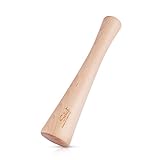
- Safe And Durable: Our kraut pounder is one solid piece of food grade beech wood, making it not easy to crack and split and non-toxic into food.
- Heavy and Effective: Strong enough to pound cabbages or other pickle veggies out juice and tightly pack them into crocks and jars for best fermentation- faster and easier than hands and spoon.
- EXCELLENT UNIVERSAL FIT: Well-designed 2 ends size allow it fit perfectly into wide and regular mouth mason jars, as well as fido style jars and ceramic fermentation crocks.
- Alluring Design and Shape: Finished in ideal length 12″, neither too long waste space nor too short scrape knuckles. Comfortably hold it thanks to the specially curved shape.
Last update on 2026-10-01 / Affiliate links / Images from Amazon Product Advertising API
Frequently Asked Questions
Is fermented sauerkraut the same as pickled cabbage?
Fermented sauerkraut relies on wild fermentation, utilizing lactic acid bacteria and salt to enhance flavor and provide probiotic goodness. Always choose options labeled as “raw,” “unpasteurized,” or “naturally fermented” for live cultures.
What are the main health benefits of fermented sauerkraut?
It delivers probiotics for gut health, aids digestion, and might assist nutrient absorption, especially when using a homemade sauerkraut recipe. It’s rich in vitamins C and K and low in calories.
How long does sauerkraut take to ferment?
At room temperature (18–22°C), the fermentation process generally requires 1 to 4 weeks for homemade sauerkraut. Fermented vegetables taste best after day 7, with warmer rooms speeding up the process while cooler ones slow it down.
What salt should I use for fermenting sauerkraut?
To ensure proper fermentation of your homemade sauerkraut, use non-iodized salt, such as sea or pickling salt. Iodine and anti-caking agents can interfere with the fermentation process, so stick to a typical ratio of 2% salt by weight of cabbage.
How do I know if my sauerkraut is safe to eat?
Real homemade sauerkraut smells sweetly sour and appears crunchy. Surface yeast (kahm) is harmless; just skim it. However, chuck away if you spot fuzzy mold, pink or black spots, sliminess, or a rotten odor.
Can I make sauerkraut without special equipment?
Yes. All you need is a clean jar, a weight to keep the cabbage submerged in natural brine, and a loose lid or airlock to support the fermentation process. Maintain cleanliness to ensure proper fermentation.
How should I store fermented sauerkraut?
Once it reaches your preferred level of tang, place your homemade sauerkraut in the refrigerator at 0 to 4 degrees Celsius. Ensure the cabbage remains submerged in the natural brine. Use clean utensils, and it will keep for months as the flavors continue to evolve.


