
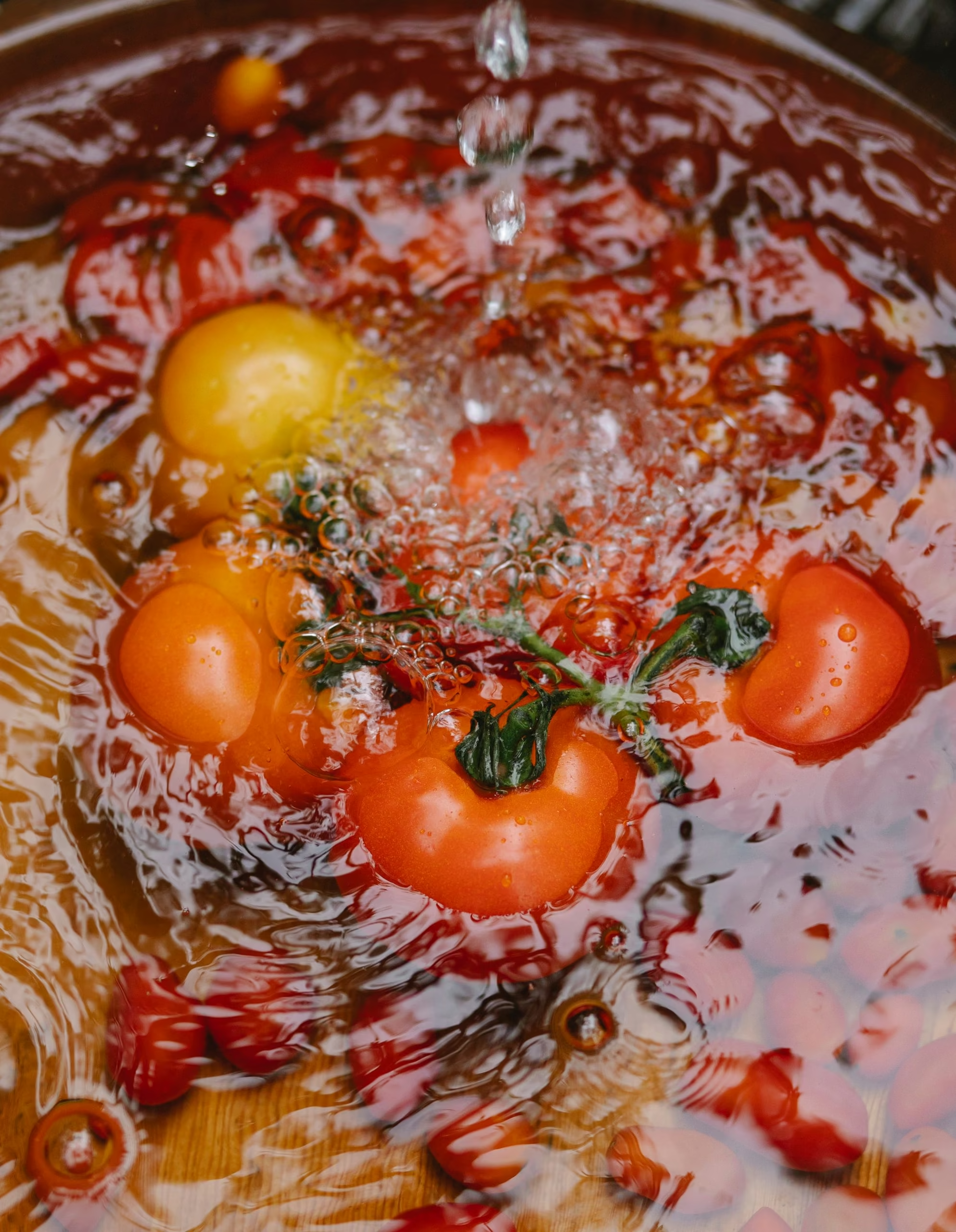
How to Ferment Tomatoes: A Step-by-Step Guide to Lacto-Fermented Tomato Recipes
Our Observations
- Fermentation turns tomato sugars into organic acids and trace amounts of alcohol, enhancing tangy, savory umami and generating aromas unlike those of vinegar pickles. Anticipate a softer texture, richer color, and more complex flavor in a reliable microbial progression spearheaded by Lactobacillus.
- Choose ripe, unblemished tomatoes, non-iodized salt, and clean glass vessels to promote the growth of good bacteria. Aim for a 2 to 3 percent salt brine by weight in filtered water, keep tomatoes submerged, and vent jars to release gas.
- Select tomato varieties for consistency and uniform fermentation. Pick cherries or grapes for firm bites, green tomatoes for extra snap, and pack smaller fruit tightly with herbs, garlic, and spices for even flavor diffusion.
- Ferment at room temperature between 16 and 24 degrees Celsius for 5 to 10 days, tasting frequently to dial in flavor and softness. Cloudy brine and soft bubbling indicate good things are afoot, whereas stinky smells and fuzzy colored mold mean you should toss and begin again.
- Troubleshoot with easy spoilage-preventing practices. Fermenting Tomatoes keep produce submerged under brine, remove any harmless kahm yeast, sanitize tools, increase salt slightly, or add starter brine if batches struggle.
- Put results to work in your daily cooking and minimize waste. Blend into a probiotic paste for spreads. Use brine in dressings or marinades. Move finished jars to cold storage and label them for best quality over a few months.

- MAKE YOUR OWN SAUERKRAUT, KIMCHI, AND PICKLES – The Kenley fermentation crock is a natural and easy way to make sauerkraut, kimchi, pickles, and more at home. With a 1-gallon capacity, it can hold up to 5-6lbs of vegetables, making it perfect for small batches.
- HIGH-GRADE CERAMIC AND FOOD-SAFE COATING – Crafted from the finest natural stoneware, this authentic fermentation jar ensures that the flavors you taste come only from your vegetables. A carefully designed, food-safe coating prevents oxidation and improves temperature stability, resulting in well-preserved and delicious fermented vegetables.
- GAME-CHANGING WATER SEAL – The Kenley 1 gallon sauerkraut crock is designed to make fermentation easy so you get great results every time. The water seal lid lets fermentation gases escape while keeping air out, ensuring your vegetables are properly preserved and taste great.
- ENHANCE FERMENTATION WITH WEIGHTS AND POUNDER – The fermentation crock comes with unglazed weighting stones to keep all kimchi or sauerkraut submerged under the brine during fermentation. The pounder is added to pack down the cabbage, releasing its juices and speeding up the fermentation process.
- EASY TO USE AND CARE FOR – The fermenting crock is double-glazed for easy cleaning and care. To clean, simply remove any stray vegetable matter when empty, wash with your usual washing-up liquid, and dry fully. Sturdy yet elegant, the Kenley fermentation crock looks great on any countertop.
Last update on 2026-10-01 / Affiliate links / Images from Amazon Product Advertising API
Fermenting tomatoes is a way to preserve flavor using salt and lactic acid bacteria, which enhance umami and add tang. Home cooks typically use ripe cherry or plum tomatoes, 2-3% salt, and a clean jar with an airlock or a loose lid.
Brine covers the fruit to restrict oxygen. A nice warm spot, about 20 to 22 degrees Celsius, fosters consistent fermentation. Anticipate mild fizz and clouding by the third day.
To prepare, the guide below illustrates equipment, process, and safe storage.
The Science of Flavor
Fermentation transforms fresh cherry tomatoes into a tangy, layered delight, moving their sweetness into complex flavors. Lacto-fermentation acts as the engine, generating acids and rich glutamates that enhance the tomato flavor, creating a more umami experience.
Compared to vinegar pickles, these fermented cherry tomatoes taste softer and more intricate, resulting in a truly amazing flavor.
The Transformation
Microbes metabolize the simple sugars glucose and fructose into lactic acid, with small amounts of acetic acid, carbon dioxide, and trace amounts of ethanol. This fermentation process creates a great way to enjoy the fresh garden tomato taste, as lactic acid lowers pH, capturing a clean, lemony sour edge without any sharp bite.
Glutamate and nucleotides enhance umami, making fermented foods like cherry tomatoes perfect for elevating pasta, pizza, or bruschetta to new heights with barely any effort.
In the early days, the Flavor Creation Point comes as acidity surges and fruit esters hone in. By the Flavor Perfection Point, the equilibrium of sour, sweet, and umami stabilizes, while aromas transition from raw green to tomato jam, brine, and gentle dairy notes.
Color fades from bright red to somewhat translucent, and skins become loose, resulting in a successful ferment. Meat can remain tender when you yank it earlier.
Expect phases: active ferment (days 1 to 5), with bubbles and cloudy brine; mid-ferment (days 5 to 10), when sour rounds out; stable phase (beyond day 10), prepared for cold storage. Time varies with temperature and salt.
This simple fermentation method can transform your tomato harvest into incredible dishes, allowing you to savor the amazing flavor year-round. Whether you’re a beginner or a seasoned fermenter, you’ll find that the process of fermenting cherry tomatoes is both rewarding and delicious.
The Microbes
Lactobacillus plantarum, L. brevis, and L. mesenteroides dominate, driving acidification and aroma. Wild fermentation begins on tomato skins and in your kitchen—the air is full of natural microbes, so you don’t need starter cultures, just good produce.
Clean jars are important. Wash in hot water, rinse well, and maintain utensils free of soap scum and grease so undesirable bacteria don’t establish themselves.
Salt favors lactic acid bacteria. A 3.5% brine, which is approximately 17 grams of salt to 475 grams of water, is dependable. More generally, 1 to 3 tablespoons per quart does the trick.
Salt extracts water from tomatoes, establishes anaerobic environments, and regulates the speed of souring. By day two, cloudy brine is normal, and a thin Kahm yeast film may develop.
Skim it and go on. Ferments build probiotics that can feed gut health. The “second brain” connection is legitimate but individual, so trust yourself.
The Texture
Fermentation sweetens whole tomatoes, and when timed perfectly, maintains a slight crunch. Cherry tomatoes become tender-snap, not vinegar pickles that get firm but one-note, or canned tomatoes that tip toward mushy.
Craving more format? Use grape or firm green tomatoes. Their pectin and lower ripeness prolong softening.
Look in each day from the 5th onwards! Taste for tartness and mouthfeel, and shift to refrigeration once it strikes your ‘just right’ balance. Warmer rooms quicken transformations, and cooler rooms delay them.
Fermentation can range from a few days to several weeks. Store in the refrigerator at under 10° C (about 50° F or less) for months, tasting along the way.
Choosing Your Ingredients
Your selection of ingredients establishes the flavor, the texture, and the security. Select ripe, firm, unblemished tomatoes. Soft spots are a welcome mat for mold and patchy ferment. Pack in plenty of tomatoes to just fill your jar so the brine covers all produce.
Fresh herbs and whole spices contribute fragrance and maintain a clean, lactic profile. Quality matters: fresh, clean produce and non-iodized salt reduce off-notes and help reliable acidification.
Tomato Varieties
Small tomatoes ferment more evenly and pack without crushing. Cherry and grape varieties hold skins tight, resist bursting, and come out crisp-tender. Green tomatoes, which are unripe reds or certain varieties, remain firmer and take on a savory flavor, perfect for pickled-style preparations.
Heirloom and market cherry tomatoes add vibrance and subtle sweetness, ranging from candy-like Sungolds to smoky Black Cherries.
| Variety | Flavor | Texture | Typical Time (20–22°C) |
|---|---|---|---|
| Cherry | Sweet, bright | Snappy skin | 5–7 days |
| Grape | Mild, balanced | Firm bite | 6–8 days |
| Green (unripe) | Tart, vegetal | Very firm | 7–10 days |
Select a single variety for consistency or a blend for depth of taste. If blending, keep sizes close so fermentation rates align. Carefully pack the jar and avoid leaving large air pockets.
Salt Quality
Choose non-iodized sea salt or kosher salt. Iodine and anti-caking agents in table salt can stall Lactobacillus and cloud brine.
Salt concentration sets both safety and taste: 2% by weight (20 g per 1,000 g total produce and water) yields a bright, faster ferment.
3% results in a slower, crisper, saltier taste. 3.5% works nicely for warm kitchens or extended storage. Weigh for accuracy. If measuring by volume, know your salt: fine sea salt is denser than coarse kosher.
A rough starting point is one heaping tablespoon of fine sea salt per 500 milliliters of water for a 2.5 to 3 percent brine, but calibrate to your salt’s grain size. Stir until clear prior to pouring.
Optional Spices
Fresh herbs such as basil or dill add lift. A bunch of dill with flowers, if you can find them, provides classic pickle notes that adore tomatoes. Garlic brings the depth. Five cloves per jar give a strong foundation; adjust to taste.
You can layer in flavors with some onions or peppers for Italian or spicy spins. Toss in 10 black peppercorns for a little heat. For complexity, 2 cloves and 2 whole allspice berries go well.
A bay leaf imparts roundness. 2 to 3 parsley stems add a green, fresh top note. Black currant or horseradish leaves (two each, optional) lend tannins that keep skins snappy.
- Basil + garlic + black peppercorns
- Dill flowers + bay leaf + allspice
- Parsley + cloves + grape/cherry mix
- Chili slices + garlic + black currant leaves

- Glass Jar with Lid: This glass pickle jar is made of durable thick glass, it could be used for years for homemade kimchi, pickles, kombuch and sauerkraut. It has a glass bowl lid which could be used for covering the jar and as a bowl to contain pickles
- Water Seal Pickle Jar: The study fermentation crock with water seal provide a good environment for making sauerkraut, preventing unwanted smells, dust, chemicals from leaching into the pickles. A traditional fermentation jar for making pickles
- 1.5L Thickening Fermentation Crock Jar: The fermentation jar with 0.4 Gallon/1.5 Liter capacity, a thickening type pickle jar, suitable for a families with 2-3 people. A good choice for homemade pickles, kimchi, vegetables onions, garlic, cucumber, carrots, cabbage, canned peaches, jams, jellies, tomato sauces, brewing and preserve wine and more.
- Easy to Use and Maintain: Just need you to pour some water around the bowl lid of the glass fermentation jar to create an airtight sealing environment, thus no outer dust air will enter the jar, giving you a perfect fermentation effect. Please remember to add water into the bowl lid of the pickle jar every week. Wash and clean the glass jar with your usual kitchen detergent and dry the jar fully, store it in a dry place for next use.
- Multi-Purpose Kitchen Essential: Beyond fermentation, this jar doubles as a decorative storage piece ofr your pantry or countertop. The embossed pattern adds a touch of traditional charm, making it a functional yet stylish addition to any kitchen.
Last update on 2026-10-01 / Affiliate links / Images from Amazon Product Advertising API
How to Ferment Tomatoes
A neat, straightforward process for vegetable fermentation keeps you consistent. Use small jars, keep tools clean, and customize the brine and spices to your stash of fresh cherry tomatoes!
1. Prepare Tomatoes
Wash and dry tomatoes thoroughly to remove dirt and any pesticide residue. Remove stems and trim blemished areas so microbes don’t get a foothold. Sort by size so they ferment at a similar speed. Cherries are a reliable go-to for first batches.
If you’re fermenting whole tomatoes, pierce each fruit 1 to 2 times with a clean toothpick or score a small X on the blossom end. This prevents bursting and helps brine penetrate the flesh. Big tomatoes require a strong but gentle touch.
Slice them into wedges if you prefer quicker, more even brining. If some fruit floats high later, rotate daily for even brine contact. Use what you have: cherry, Roma, or cocktail types all work. Cherries stay crisp.
2. Create Brine
Add 100% pure salt—no iodine, no anti-caking agents—to spring or filtered water and dissolve. For a 1-liter jar, an easy rule of thumb is 3 teaspoons of pure salt, which is near the typical 2-3% by weight range for safe vegetable ferments.
Sample the brine. It will taste clearly salty but not harsh. To jump-start the process, stir in a spoonful or two of leftover sauerkraut brine or a vegetable starter culture. Keep water cold to avoid cooking the fruit.
3. Pack Jar
Take clean glass jars. Pack tomatoes firmly, then introduce garlic, dill, bay, or black peppercorns. Layer your herbs and cloves between tomatoes so flavor permeates rather than floating on top.
Pour on brine to cover. Add a glass fermentation weight or pickle pebble to keep fruit submerged. Reserve 2 to 3 centimeters of headspace for gas. A 500- to 750-milliliter jar works well for first runs to minimize waste.
4. Submerge and Seal
Tomatoes must remain sub-brine to keep mold away. Install your fermentation lid, airlock, pickle pipe, or just a loose cap that can vent gas. Do not use an airtight lid during active fermentation.
Open daily. Press down the weights, top up the brine as required, and turn any tomatoes that attempt to bob to the surface, giving them a bit of peeking.
5. Ferment and Wait
Keep at 16–24°C (60–75°F) in indirect light. If you don’t have a fermenting lid, cover with cheesecloth for the initial 3–5 days, then transition to a vented cap. Search for fine bubbles, a light tang, and cloudy brine, all evidence of fermentative activity.
Cherry tomatoes tend to hit a nice, savory-sour note in 5 to 10 days. Do not ferment them for less than 5 days. Bigger tomatoes might need 3 weeks at room temperature.
Taste every few days for salt, acid, and texture. When the flavor hits just right, transfer jars to the fridge or a cool cellar to slow down fermentation. Let them sit for an additional 1 to 2 weeks to round off the flavors.
Kept cold, they last a few months, up to 12 in dependable cold storage.
Navigating Fermentation Challenges
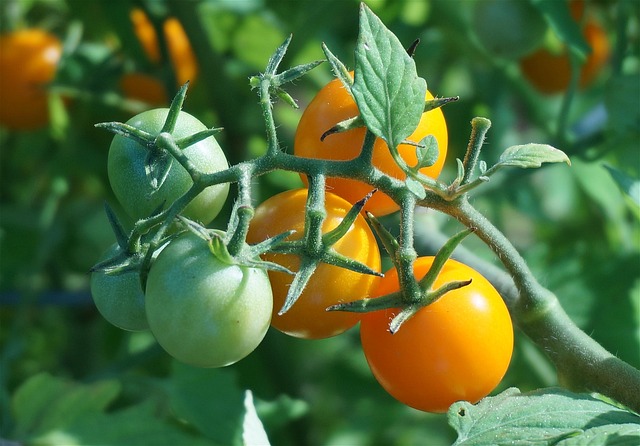
Tomato ferments move quickly, then slowly, as microbes develop acids and aromas. That speed can be difficult to digest. Risks are real: contamination, off smells, mold, but most problems are foreseeable and simple to remedy through clean equipment, consistent brine, and regulating temperature between 16 and 22 degrees Celsius and pH with a target of less than 4.6 by days 2 to 3.
Starter cultures standardize results when wild microbes run amok. Notice how many of the fermentation methods are local and transmitted orally, so your results will differ by location and women’s ways.
Keep track of every batch: date, salt percentage, temperature, pH, so you can repeat wins and avoid the same mistakes.
Kahm Yeast
Kahm yeast appears as a thin, matte, white film on the brine. It is flat, not fuzzy, and often has a little rim at the jar edge. It is benign and usual in warm rooms or low-salt configurations.
Skim it with a clean spoon and continue. Add brine if required. It doesn’t affect safety or taste, but it can lend a slightly bready note to the smell.
To avoid it, weigh tomatoes under brine, use 2-3% salt by mass, and displace oxygen with an airlock. Cooler ranges and starter cultures, such as Lactobacillus strains, can outcompete yeasts.
Mold Issues
Fuzzy, colored, or black indicate spoilage. If you notice raised, hairy patches or mold in pigment (blue, green, pink, black), toss the batch and sanitize the jar.
Examine the surface daily in week one. Edge zones near the glass are hotspots. Sterilized spoons, hands, and even worktops reduce danger.
Fermentation Dos and Don’ts: Rinse produce, skip bruised fruit, and use non-iodized salt. Increase salt to 3% in warmer climates.
Navigate fermentation challenges with a lactic starter, as a quick drop in pH blocks molds that tolerate low pH and cool rooms. If you have to open the jar, open it fast and reseal it to minimize oxygen.
Brine Cloudiness
Cloudy brine is par for the course with active lactic fermentation. It comes from bacterial action, lactic acid, and suspended micro tomato solids.
It frequently peaks between days 3 and 5, then settles as the microbes slow. If you need it clear for serving, strain the brine through cheesecloth and return.
| Observation | Likely cause | Action |
|---|---|---|
| Light haze | Active LAB growth | None needed |
| Milky brine | Heavy activity, fine pulp | Wait or filter |
| Sediment layer | Tomato skin, yeast, spices | Leave undisturbed |
| Sudden clear-to-cloudy shift | Temperature rise | Cool to 16–22°C |
Unusual Smells
Good ferments smell tangy, briny, and a little bit fruity. They can have brash notes up front as acids develop. That’s anticipated and secure.
If you get harsh, rotten, sulfur, or vomit-like smells, toss. Don’t taste. Off-odor batches tend to go hand in hand with surface molds or a slimy feel.
Air out rooms if odors accumulate. Clean lids, airlocks, and jar-on-trays. Log aroma every day; you’ll find your baseline. Time frames are different.
Tomatoes can turn in hours during extreme heat or a few days in cool rooms. Your nose is your compass.
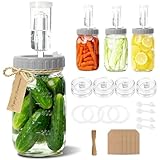
- 【Complete Fermentation Kit】This all-in-one fermentation kit includes four 32 oz mason jars and heavy-duty glass fermentation weights made from food-safe, lead-free, non-porous glass that never absorbs odors, flavors, or colors. The set also includes durable fermentation lids, dual-channel airlocks, and everything you need for making kimchi, sauerkraut, pickles, and more. Includes 20 date-and-note tags with strings for labeling each fermentation session.
- 【Plastic Fermentation Lids, No Rust, No Silicone Wear】Designed as an alternative to metal lids, our food-safe plastic fermentation lids eliminate rust concerns while reducing stress on silicone grommets. This thoughtful design helps maintain a secure seal and extends the lifespan of every fermentation jar in the set.
- 【Ferment & Store with One Lid】Our plastic fermenting lids let you switch effortlessly from fermenting to storage. Simply remove the airlocks and insert the silicone stopper. Each jars instantly converts into a sealed mason jar, giving you a smooth ferment-to-store workflow without changing lids.
- 【Wide-Mouth Mason Jar Design】Each 32 oz fermentation jar features a wide 3.4″ opening for easy filling, packing, and cleaning. Clear ml and oz markings help you measure ingredients accurately and monitor fermentation progress.
- 【Upgraded Airlock & Weight System】Our dual-channel airlocks work with the tight-sealing plastic fermentation lids to maintain a stable, low-oxygen environment. The lead-free glass fermentation weights are non-porous and food-safe, keeping vegetables fully submerged for safe, consistent, and flavorful results in every batch.
Last update on 2026-10-01 / Affiliate links / Images from Amazon Product Advertising API
Beyond the Basic Ferment

Pushing past the simple ferment. Fermented tomatoes take around 5 days at room temperature, then store for a few months in a cool place and up to 12 months in cold storage.
Cherry tomatoes really shine here, and both 1 L and 3 L glass jars are great.
Keep tomatoes under brine and turn daily if any float. Use 100% pure salt with no iodine or other additives. For a 1 L jar, use at least 15 g of salt (about 3 teaspoons).
Flavorful Brine
Except for the tomato brine. It provides bright acid and umami to salad dressings, fast marinades for tofu or fish, and even cocktails like a Bloody Mary riff. Take 15 to 30 milliliters of brine per 250 milliliters of vinaigrette to begin, then adjust.
Consider it a starter. Just a couple spoonfuls of mature brine can inoculate a fresh batch with live lactic acid bacteria, cutting down on initial lag time. Add starter to the new jar after dissolving fresh salt in water. Then pack tomatoes.
Mind salt. Reused brine can often concentrate. Recycle it, measure salinity, and supplement with fresh water and pure salt to hit your target. Shoot for no less than 1.5% for tomatoes, with low-salt swings that border on soft or spoilage.
Taste then. If the brine feels too tangy or funky for a subtle sauce, puree it into more robust dishes or decrease the amount. If it smells foul, don’t use it.
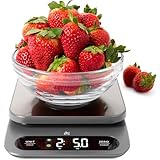
- 𝗕𝘂𝗶𝗹𝘁 𝗳𝗼𝗿 𝗕𝘂𝗹𝗸 𝗖𝗼𝗼𝗸𝗶𝗻𝗴 & 𝗣𝗿𝗲𝗽: This high-capacity kitchen scale weighs up to 22 lb (10 kg) with 1 g precision, ready for meal prep, holiday baking, sourdough, or grilling. Not for laboratory or microgram measurements.
- 𝗔𝗰𝗰𝘂𝗿𝗮𝘁𝗲 𝘁𝗼 𝘁𝗵𝗲 𝗚𝗿𝗮𝗺: Weigh ingredients in grams, ounces, lb:oz, or milliliters with precise 1 g increments. The ZERO function resets the scale instantly for use with meal prep containers, mixing bowls, and Dutch ovens.
- 𝗖𝗹𝗲𝗮𝗿 𝗥𝗲𝗮𝗱𝗶𝗻𝗴𝘀, 𝗘𝘃𝗲𝗿𝘆 𝗧𝗶𝗺𝗲: The bright Hi-Def LCD display extends beyond the weighing platform for better visibility under large mixing bowls. Use HOLD to keep readings on screen for up to 5 minutes, or let auto shut-off after 2 minutes save battery life.
- 𝗗𝘂𝗿𝗮𝗯𝗹𝗲 & 𝗘𝗮𝘀𝘆 𝘁𝗼 𝗖𝗹𝗲𝗮𝗻: Stainless steel and touch-sensitive controls resist stains and buildup to stay hygienic with minimal upkeep. Designed for everyday use, it delivers lasting quality and effortless care for your kitchen routine.
- 𝗖𝗼𝗺𝗽𝗮𝗰𝘁, 𝗦𝗹𝗶𝗺, & 𝗦𝗽𝗮𝗰𝗲-𝗦𝗮𝘃𝗶𝗻𝗴: Runs on 3 AAA batteries (included) and measures 7.6 x 5.6 x 1.3 in. for a streamlined fit. Backed by a 5-year limited warranty and lifetime support from our St. Louis team, trusted by health-conscious families, home bakers, and meal preppers.
Last update on 2026-10-01 / Affiliate links / Images from Amazon Product Advertising API
Culinary Uses
Take it with plov, roasted potatoes, grilled meats, or rice bowls — quick condiment, fermented tomatoes. Spoon chopped tomatoes into raw marinara with olive oil, basil, and black pepper. Warm, folded into homemade pasta or gnocchi, it’s a bright, savory hit.
Mix into a robust onion-and-stock tomato soup. Stir in toward the end to preserve live cultures. Throw together halved cherry ferments with sliced zucchini, lemon zest, and parsley for a no-cook side.
Fermented cherry tomatoes are just sitting pretty on my salads, bruschetta, and pizza bianca.
They’re great, too, in grain bowls, frittatas, or sandwiches.
- Raw marinara or salsa cruda
- Salad toppers and grain bowls
- Pasta sauces, pan sauces, and soups
- Pizza, bruschetta, and flatbreads
- Omelets, frittatas, and breakfast bowls
- Side dish with plov or roasted veg
- Quick relish for grilled fish or tofu
Share your finds and tweaks in the comments.
Probiotic Paste
Whirred fresh fermented tomatoes into a smooth paste with a splash of brine for a spreadable body. Add garlic, olive oil, and herbs such as oregano or dill for fresh, savory notes.
A pinch of chili provides heat without disguising tang.
Serve as a dip with yogurt, as a spread for wraps, or as the base for pizza sauce. Thin with brine for dressings.
Refrigerate; it remains vibrant for months, particularly if capped with a thin layer of oil. Use oil or paste to reduce air pockets.
Safe Storage Practices
Safe storage maintains flavor, texture, and microbes proportionally. This is what you want to do to slow the fermentation once it tastes right and to protect it from air, heat, and light.
Transfer tomatoes to cold storage once they reach your desired level of tartness. Cold delays microbial action by a factor of ten, which stabilizes acid formation and hue. A fridge at 2 to 4 degrees Celsius works for most homes. A cool cellar near 8 to 12 degrees Celsius aids, though flavor can drift more quickly.
Cold storage is the primary lever that turns ferments into months or even a year or more if well done. For longer pauses, freezing works; it locks in both the nutrients and the tang nicely, though the fruit will soften once thawed.
Store in glass jars. Since glass is non-reactive, it will not leach or skew flavor. Pack tomatoes in a 2% brine (20 grams of fine salt per 1 liter of water) to maintain an anaerobic surface and stable conditions.
Top up the brine if the level drops after a few days in the fridge. Store in airtight jars to keep out oxygen and prevent mold growth. If your lid is hard, leave 1 to 2 centimeters of headspace so pressure changes do not squirt liquid out. For wide-mouth jars, a silicone gasket lid or one-way airlock cap provides an additional buffer.
Label all your jars. Jot down the start date, chill date, salt percentage, and any add-ins like garlic or herbs. Brief annotations reward you when you cross-reference batches or monitor how quickly a specific cut size turns mushy.
Label the side and lid, as condensation can lift ink. A simple code helps too: “T-CHERRY-2%-2026-03-01.
Intend to consume your fermented tomatoes within 3–6 months for maximum snap and fresh scent. Beyond that, they can still be safe and delicious as long as the brine remains clear, the smell stays fresh, and there’s no funky bloom.
Most ferments are good for a year or more when stored cold, dark, and sealed, but the texture will soften, and the color may fade. Keep jars in the back of the fridge, not on the door, to avoid temperature swings.
If stored in a pantry, select the coolest, darkest shelf and inspect weekly. A cellar or basement with relatively stable temperatures is much preferred to a warm kitchen cupboard.
Do cursory checks before serving. Seek out solid meat, bright saltwater, and a tangy, fresh odor. Skim any innocent surface yeast, top off brine, and back into the cold zone.
Our Conclusion
Fermenting tomatoes transforms an ordinary crop into a striking, vivid sustenance. Salt draws water. Lactobacillus decreases the pH. Acid develops. Texture goes from sturdy to soft.
Sweet notes turn tart. Umami bursts. Little adjustments lead to huge transformations. Cherry varieties provide snap. Plum types maintain shape. Green ones bring a bite.
Utilize clean jars. Maintain the fruit submerged in a 2-3% brine. Skim yeast quickly. There are bubbles. Taste on day three. Pause in the fridge at the sweet spot. Mark jars with date, salt rate, and spice notes.
Set those jars to work. Spoon on eggs. Toss with pasta! Mix into soups. Pulse for salsa. Pile on toast with soft cheese.
Feel like taking it up a notch? Trade a jar, trade notes, and start a new batch this week.

- Natural Preserving Non-Iodized Sea Salt: Our natural pickling salt is both non-iodized & Kosher, making it a preservation essential to achieve the best results, as iodine and other additives interfere with natural flavors & preservation processes.
- Sourcing & Purity: Sea Salt Superstore’s pickling salt is a fine-grain, non-iodized salt sourced from natural sea salt deposits, ensuring pure, additive-free pickling and canning for safe food preservation.
- Dietary & Safety Compliance: This kosher-certified, gluten-free pickling and canning salt contains no iodine or anti-caking agents, making it safe and ideal for all dietary needs, including kosher and allergen-sensitive diets.
- Texture & Performance: The fine, uniform crystals of this canning salt dissolve quickly and evenly in brines and pickling solutions, ensuring optimal flavor infusion and consistent preservation results every time.
- Versatility & Use Cases: Perfect for pickling salt canning applications, brining meats, fermenting vegetables, and making tender quick recipes, this salt enhances texture and flavor without clouding liquids or altering color.
Last update on 2026-10-01 / Affiliate links / Images from Amazon Product Advertising API
Frequently Asked Questions
What makes fermented tomatoes taste different from fresh ones?
Fermentation converts sugars into acids and aroma compounds, enhancing the tomato flavor and creating a successful ferment. Lactic acid bacteria reduce pH, resulting in increased tang and complexity, perfect for dishes like raw marinara sauce or fermented cherry tomatoes.
Which tomatoes are best for fermenting?
Select firm, ripe, unblemished cherry tomatoes for the best results. These varieties maintain texture well, ensuring a successful ferment. Avoid overripe or bruised fruit, as they can lead to spoilage and negatively affect the amazing flavor of your recipes.
Do I need to use a starter culture?
No, you don’t need it. Tomatoes, especially fresh cherry tomatoes, are naturally home to lactic acid bacteria. A salt brine and good submersion will ensure a successful ferment and amazing flavor.
What salt concentration should I use for tomato fermentation?
Ferment cherry tomatoes in a 2-3% salt brine (by weight) for amazing flavor. For instance, dissolve 20 to 30 grams of non-iodized salt in 1 liter of water to encourage the growth of good bacteria and maintain crunch.
How do I know if my ferment is safe?
Check for a tangy, nice smell and bubbles in your fermented cherry tomatoes. Ensure they remain submerged in the vegetable brine and watch for any signs of spoilage, such as fuzzy mold or a rotten smell.
Why did my tomatoes turn mushy?
Typical culprits for a bad fermentation process include too little salt, high temperatures, or overripe tomatoes. To ensure a successful ferment, aim for a temperature between 18 and 22 degrees Celsius, maintain a salt level of 2 to 3 percent, and select firm cherry tomatoes for the best results.
How long can I store fermented tomatoes?
Once they’ve actively fermented cherry tomatoes for five to ten days, place them in the refrigerator. They can last two to three months at two to four degrees Celsius if covered in vegetable brine and sealed. Always use a clean spoon and minimize exposure to oxygen.


