
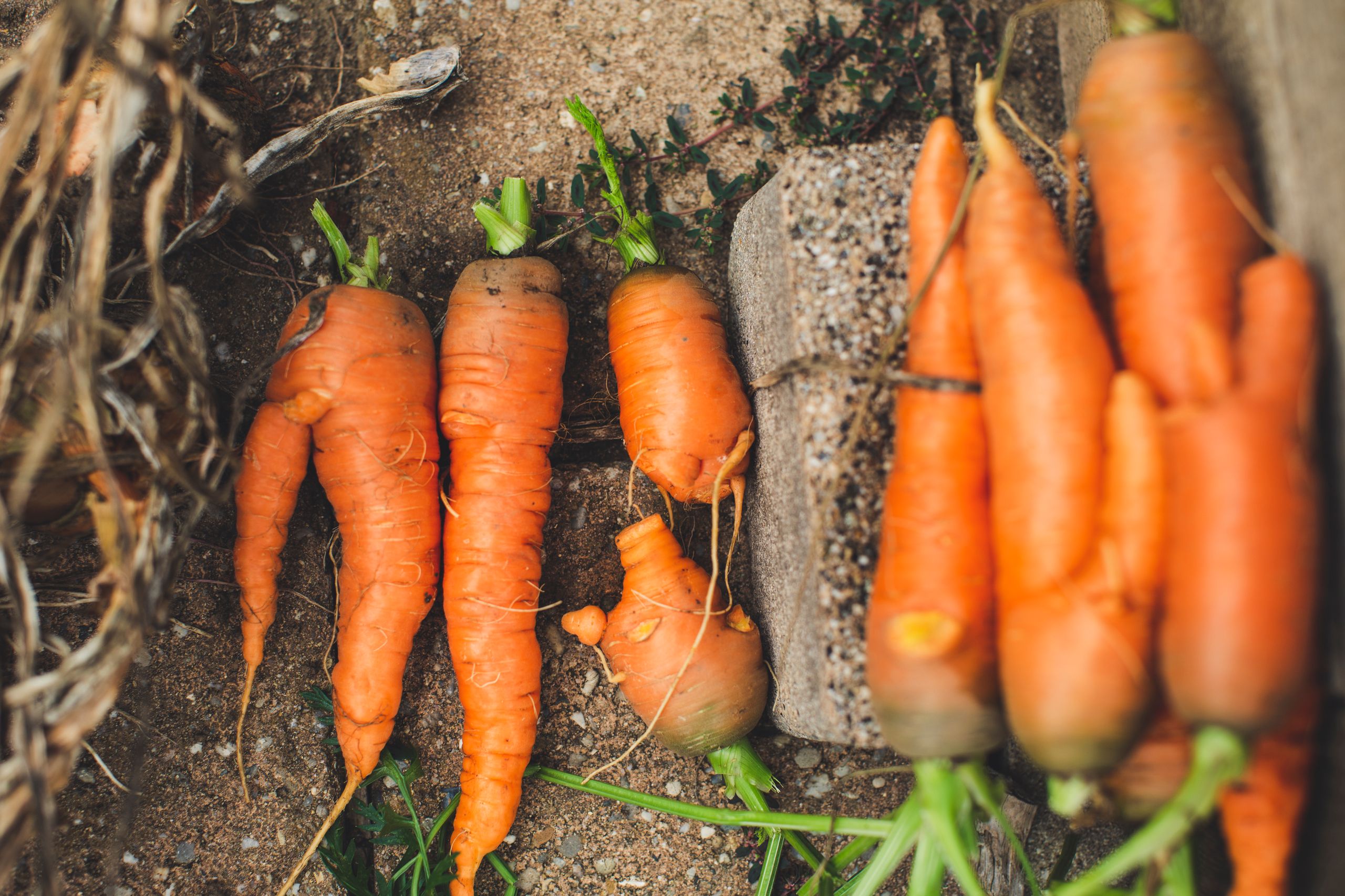
How to Ferment Carrots: A Simple Step-by-Step Guide for Beginners
Our Overview
- Fermented carrots are healthy, with natural probiotics that aid digestion and help balance gut flora. This extends shelf life and provides a deliciously tangy, crunchy everyday snack for your salads, wraps, and sides.
- Lacto-fermentation makes all those good tummy bacteria that fight off tummy aches and displace nasty microbes. Add small doses consistently to help keep things moving smoothly through your digestive system.
- Fermentation can boost the bioavailability of vitamin C and B vitamins and retain more nutrients than cooking. Grab ’n go fermented carrot sticks for lunchboxes and post-workout snacks.
- Think tangy, umami-rich flavors that beat raw or vinegar-pickled carrots and go great with so many meals. Play with spices like garlic, ginger, dill, turmeric, and chili to create your own signature profiles.
- Start with simple tools to ensure success: a glass jar, a fermentation weight, non-chlorinated water, and quality salt. Ensure all solids remain beneath the brine, mark the jar, and sample from days five to fourteen to catch your ideal sourness.
- Troubleshoot confidently by watching for submersion, the right salt ratios, and clean equipment. Skim any harmless white from the film, top off the brine as needed, and discard only if you see mold or smell rot.

- 【Perfect Fit for Wide-Mouth Gallon Jars】 Each round weight measures 3.74″ in diameter and weighs 11 oz (set of 2). Designed for most standard wide-mouth gallon jars, pickling jars, and fermenters, but requires the narrowest inner opening of your jar to be greater than 3.8″. Please measure your jar mouth inner size before purchase to ensure a proper fit.
- 【Heavy, Food-Safe Glass Construction】 Crafted from high-quality, leadat no costut, non-porous glass. These thick, heavy weights are safe for direct food contact and will never absorb food odors, flavors, or colors—keeping your ferments pure and clean batch after batch.
- 【Sturdy & Effortless to Use】 Effectively holds vegetables under the brine, reducing floating and supporting better fermentation results. The easy-grip handle makes placement and removal effortless, even with wet fingers.
- Versatile Fermenting & Pickling Tool】 An excellent choice for making sauerkraut, kpickled vegetablespickles, and other fermented foods. Suitable for both beginners and experienced fermenters alike. Easy to clean, fits typical wide-mouth preserving jars, and improves the overall lactic fermentation process for small batches.
- 【Satisfaction Commitment】 Quick solution guaranteed. Contact the seller immediately with any questions after purchase. The seller will respond promptly and work to resolve any issue to your satisfaction.
Last update on 2026-10-01 / Affiliate links / Images from Amazon Product Advertising API
Fermenting carrots is easy.
Salt, water, and time grow beneficial bacteria that preserve and add a tangy flavor.
Carrots remain crunchy, develop lactic acid zing, and create probiotics that can potentially boost your intestinal ecosystem.
Clean jars, 2% salt brine, and full submersion in bay. Mix in garlic, dill, or ginger for variety. Track pH drop below 4.0 for safety.
In cooler rooms, anticipate 5 to 10 days. The guide details steps, tools, and tips.
Why Ferment Carrots
Fermented carrots are a crunchy, sour snack and an easy, gut-healthy, consistent nutritional staple. According to microbes, lacto-fermenting carrots are beneficial.
Unlike vinegar-pickled carrots, lacto-fermented carrots contain live cultures and enzymes that can benefit your microbiome.
They keep for months in a cool spot, so one batch can sustain meals every day, swirled into potato salad, folded into a wrap, or served as a vibrant side dish.
It happens on your countertop, typically in 2 to 10 days, sometimes just a week, which is perfect if you have a jam-packed schedule and don’t want to spend the entire day in the kitchen.
Gut Health
Lacto-fermentation seeds and supercharges lactic acid bacteria that assist in balancing your gut’s ecosystem. These microbes reduce pH, outcompete pathogenic strains, and generate organic acids that cultivate a balanced environment for digestion.
Fermented carrots are another reason. They deliver live probiotics that help motility and alleviate common tummy aches. Some experience less bloating and easier regularity after incorporating small daily servings.
Ginger carrots lend extra assistance. Ginger has phenolic compounds that soothe the GI tract, while the fermentation acids suppress bad bacteria. The blend can help your system bounce back from stress, travel, or a large meal.
Turn them into a routine. Drop in a forkful at lunch or with soups, grains, or eggs to feed good flora and keep regular throughout the day.
Nutrient Boost
Fermentation can significantly increase the bioavailability of essential vitamins, such as vitamin C and certain B vitamins, by breaking down plant cell walls and generating microbial cofactors. This process pre-digests natural sugars and fibers, making nutrients easier to absorb and gentler on the gut.
Unlike cooked carrot recipes that may degrade heat-sensitive nutrients, fermented carrots retain more of what you need and add beneficial probiotics, enzymes, and additional B vitamins through microbial action, resulting in a nutrition-dense, everyday boost.
The benefits of incorporating fermented foods into your diet show up in various small but impactful ways. Improved immune readiness, more steady energy levels, and fewer mid-afternoon dips often occur when these foods are part of balanced meals.
For busy families, packing carrot sticks in kids’ lunchboxes or using them as a low-effort, high-reward fitness snack can be a great way to ensure quick access to micronutrients. Fermented veggies, like ginger carrots, can also be a delicious addition to meals, making healthy eating enjoyable.
By including fermented carrot recipes in your meal prep, you can enhance your overall nutrition while enjoying their delightful flavor. These recipes not only provide probiotic goodness but also help in achieving a well-rounded diet.
Flavor Depth
Fermentation imparts a clean tang, light umami, and a round, savory edge you won’t find in raw or vinegar-only pickles. They retain their crisp texture and snap in salads and grain bowls if you get the salt just right and avoid heat.
Give dill, coriander seed, garlic, or turmeric a whirl for some earthy undertones. Incorporate ginger for lift or a chili such as jalapeño for mild heat. Divide a large batch into jars and spice them differently. Then decide based on your mood throughout the month.
These fermented carrots punch up sandwiches, noodle bowls, and veggie platters. A spoon in soup at serving brings brightness without boiling off aroma. Spicy or ginger ones can zing roasted potatoes, rice, or plain omelets with very low effort.

- High-Precision Dual Platforms – Mini scale offers 0.001 oz / 0.01 g accuracy up to 1.1 lb / 500 g for spices, yeast, or coffee grounds; large scale delivers 0.05 oz / 1 g accuracy up to 33 lb / 15 kg for flour, meat, and bulk ingredients – combining delicate precision with heavy-duty capacity.
- Dual-Line LCD Display – One screen shows both platforms’ weights at the same time and even allows adding them together. Save time with complex recipes, multi-dish cooking, and meal prepping without switching scales.
- Multiple Units & Tare Function – Easily switch between grams, ounces, pounds, and kilograms for any recipe. The tare function ensures exact measurement of each ingredient, giving you consistent results in baking, cooking, and portion control.
- Durable Stainless Steel & Glass Surface – Built with a stainless steel weighing platform and glass panel, this food scale is scratch-resistant, stain-resistant, and easy to wipe clean – perfect for everyday use in a busy kitchen.
- Auto Shut-Off & Battery Saving – Automatically powers off after 5 minutes of inactivity, extending battery life. Reliable, convenient, and always ready for your next cooking or baking session.
Last update on 2026-10-01 / Affiliate links / Images from Amazon Product Advertising API
Essential Fermenting Tools
Core gear keeps carrot ferments safe, repeatable, and easy to navigate over hectic weeks. At the very least, employ a pristine glass vessel, a secure weight system, and microbe-friendly water.
Go for the jar size that suits your space, then measure your salt and water diligently.
Keep these on hand:
- Glass fermentation jar (wide-mouth quart or pint)
- Fermentation weight and breathable or airlock lid
- Filtered, non-chlorinated water
- Digital scale for precise salt ratios
- Instant-read thermometer (optional but helpful)
- Mandoline for uniform sticks or slices
- Non-iodized salt such as Himalayan pink salt
The Jar
Glass jars are non-reactive, easy to clean, and allow you to observe turbidity, bubbling, and color changes. Wide-mouth canning jars accommodate weights and allow you to easily jam carrot sticks in.
A quart jar (about 1 liter) is a good fit for standard-sized batches and family snacking, while pints fit small fridges, test recipes,es or travel lunches.
Steer clear of metal lids in contact with brine. Acids and salts can coat metal and impart flavor. If you only have metal bands, use a food-safe cover such as a silicone gasket and a plastic or glass contact surface.
Fermentation lids with airlocks or one-way valves vent CO2 while minimizing oxygen. Label each jar with the date, salt percentage, and cut style (sticks, coins, julienne). This allows you to refine texture by day count and room temperature.
Stoneware crocks are great for big batches, and stainless steel can be effective if it’s food-grade and uncoated with reactive alloys.
The Weight
Cover the carrots with a fermentation weight or a trimmed cabbage leaf, then a glass or ceramic disk. You want it completely submerged. Weighing blocks oxygen, reducing the risk of mold or kahm yeast, and resulting in clearer brine.
Glass weights are the perfect size to fit wide-mouth jars. Ceramic disks are hardy, but verify that they are coated with a food-safe glaze. In a pinch, nest a small glass cup or zip-top bag of brine as a DIY weight.
Whichever you choose, ensure all sticks remain below the brine line, even after volume changes due to gas release. Replenish daily for the first few days. CO2 can enhance goods.
The Water
Use filtered or non-chlorinated water. Chlorine and chloramine can inhibit lacto. If tap water is chlorinated, let it sit uncovered for 24 hours or use a carbon filter. Chloramine needs filtration or bought spribottleder.
Measure water by mass on a digital scale to hit a consistent salt ratio, say 2.5% to 3.5%, for crisp carrots. Himalayan pink salt is great because it dissolves cleanly and provides trace minerals, but any non-iodized pickling salt is good.
Combine additional brine in advance to finish jars off if vegetables suck liquid or some evaporates.
An instant-read thermometer helps maintain a stable temperature of 18- 22 degrees Celsius for reliable acid production and crispness.
How to Ferment Carrots

This easy, low-stakes fermented carrot recipe delivers fast and tastes flexible, using fresh veggies, quality non-iodized salt, clean implements, and optional spices for a delicious addition to your meals.
1. Prepare Carrots
Wash carrots under cool water to eliminate dirt and any pesticide residue. Peel if skins are tough-feeling or bitter-tasting; then trim ends. Slice into sticks, coins, or fine shreds. Consistent size aids in even brining and constant texture.
Pick organic baby carrots for quickness, or rainbow carrots for color contrast in the jar. Shredded carrots ferment quicker but soften more, while coins stay crispier longer. Aim for sticks around 1 by 8 to 10 centimeters if you like crunch.
Wash jars, lids, and weights in hot soapy water and rinse well. This kills off bad bugs without requiring sterilization.
2. Create Brine
Dissolve non-iodized sea salt in filtered water. For 1 pint (approximately 473 ml), combine 1 to 3 teaspoons of salt. Warmer water dissolves it more easily. For a doubled batch, add 1 and 1/2 to 2 tablespoons of salt per quart (946 ml).
These brines have a salinity of around 2-3 percent, which is a sweet spot for a lactic acid bacterium. If you boil water first, cool it to room temperature before pouring so you don’t kill good microbes.
Add spices to the jar or brine: garlic (optional), ginger slices, peppercorns, coriander, or dill. Go light; you can always scale the next batch.
3. Pack Jar
Tight-pack carrot sticks or coins vertically to reduce float and keep all pieces submerged under brine. Layer in flavor boosters: a clove of garlic, a few slices of ginger, or a sprig of dill near the bottom and middle so flavor diffuses.
Fill with brine until carrots are completely covered, leaving 2 to 3 centimeters of headspace. Gently tap the jar and run a clean chopstick along the sides to dislodge any trapped air.
Top up with extra brine if carrots peek out.
4. Add Weight
Lay a fermentation weight or folded cabbage leaf over your carrots to hold them under as well. It should fit snugly but not jam.
Ensure that brine completely covers all solids to avoid mold and foul odors. If not, top up with brine to cover by at least one centimeter.
Re-seat the weight after day one if carrots shift.
5. Seal and Wait
Seal with a fermentation lid, airlock, or a loose, simple plastic lid. Do not use a tight metal l,id as that may rust. Store at room temperature, out of direct sun. A counter or cupboard is fine.
Look for bubbles in 24 to 72 hours. Check once a day or every other day, topping up brine if evaporation exposes solids and briefly loosening the lid to vent gas.
Taste between days 5 and 7; cooler rooms or a sharper profile may take 10 to 14 days. Once flavor is established, transfer to the refrigerator.
Fermented carrots last for months and are delicious in salads, grain bowls, sandwiches, and soups.

- SAFER SLICER: Safety mandolin slicer for any cook. Sharp hidden blade Slicing is fast, uniform, and easy to set up and clean up, and does not need to glove up or change the blade to use it, This is definitely an upgrade replacement your cooking daily.
- UPGRADE LARGE CAPACITY: ONCE FOR ALL’s JS03 vegetable slicer larger feeding port & container chopper more food at once, offers 4 mode choices julienne, matchstick, slicing, and dicing at once no need to change the blade. Adjustable thickness 0.1-8mm great for quickly slicing potatoes, carrots, cucumbers…
- EASY TO CLEAN: Our kitchen veggie chopper has a collapsible design that is easy to clean, You can easily remove food residues under the tap with the small brush we gifted, small size takes up little counter or cupboard space, and is a great tool for anyone’s kitchen.
- HIGH QUALITY: The food mandolin is made of 420 stainless steel blades, safe, and healthy, vegetable slicer is a good idea for the festival of wedding or home gift.
- ASSURE: If you have any questions, please feel free to contact us. ONCE FOR ALL, we provide 24 months of warranty for each vegetable slicer.
Last update on 2026-10-01 / Affiliate links / Images from Amazon Product Advertising API
The Fermentation Timeline

From colonization to active acid production, the process of fermenting carrots is influenced by factors such as room temperature, carrot size, salt content, and the specific carrot variety used.
Warmer rooms above 20°C accelerate fermentation, while cooler environments slow it down. It’s important to capture start dates, room temperature, cut size, and notes in a barebones journal to track your homemade fermented vegetables.
Sample every few days to determine when the flavor aligns with your preference.
First Days
Anticipate quiet jars. Lactic acid bacteria begin to colonize these surfaces, consuming simple sugars and lowering the pH. You might notice a couple of pinhead bubbles stuck to carrot sticks, a bit of haze in the brine, and a fresh, faint aroma.
At 15 to 20 degrees Celsius (60 to 68 degrees Fahrenheit), this stage is slow but steady and lays the foundation for crunch and subtlety. COVER/BRINE ALL PIECES. Weight, leaf cap, or mini jar-in-jar setup. Look for floaters.
Top off evaporated brine with a 2% salt solution and keep lids snug but able to vent if using a non-airlock jar. There is no need to poke or stir. Motion can burst CO2 pockets and increase oxygen contact, encouraging surface molds.
In warmer rooms above 20°C (70°F), initial indicators may emerge within 24 to 48 hours. In cool rooms, it could take 3 to 4 days. Mark dates and sensory changes in your journal for future batches.
Active Stage
Things start to get crazy. You should notice consistent bubbling, increased turbidity from the suspended bacteria, and a more pungent, sour odor. The pH drops further as lactic acid accumulates. Flavors leap quickly in warmth.
At 22 to 24 degrees Celsius, carrots can become lightly tangy in around 5 to 7 days. At 15 to 18 degrees Celsius, allow 10 to 14 days, with deeper, rounder tones. Taste every couple of days.
Carefully pull one out with a clean fork, then submerge anything that pops up. Record crunch, saltiness on an easy 1 to 5 scale.-s way you can hit your sweet spot next time, mild after 7 to 10 days or bolder after 2 to 6 weeks at 15 to 20 degrees Celsius.
Keep an eye on the surface. A thin, white, matte film could be kahm yeast, which is generally benign, so skim it and replace the brine coverage. Fuzzy, colored growth means mold, so discard it and any pieces that touched it, and check the aroma.
If the ferment races too fast, shift the jar to a cooler room. If it crawls, move to a bit warmer, still spot.
Final Taste
Choose by crunch, acid, and depth, not a timer. Warmer rooms can yield a ready ferment in around 7 days, while cooler environments might require more than 10 days.
Some like a quick, bright 7-to-10-day car; others wait several weeks for that layered complexity, just as sauerkraut can take anywhere from 3 days to over 3 months.
In very cool rooms, full development can take weeks to months, even as long as 6 in rare, low-temperature cellars. When the flavor is just right, you can move the jars to the refrigerator to pause fermentation.
Always use clean tools when handling the product to avoid introducing contaminants that can shorten shelf life. Label jars with start date, room temperature, and ‘ready’ date to plan ahead.
Flavor Customizations
Flavor customizations in fermented carrots result from the brine from aromatics and time. Begin with a 3.5% brine, which is 35 grams of non-iodized sea or kosher salt per 1 liter of water, then adjust salinity, duration, and spice level to suit your taste.
Small test jars, ranging from 250 to 500 milliliters, allow you to experiment with different fermented veggies before scaling up to 1 liter or more.
Ferment at 20 °C; start tasting on day 4, then daily. Some stop at a week, while others stretch to 14 days for more depth in the sour. Salt type does make a difference; sea and kosher salts taste cleaner than iodized. A dash of white vinegar shifts the profile toward crisper, pickle-like tangs.
You can chop cooked carrots into smaller pieces if you desire softer bites in salads, sandwiches, or wraps, making them a delicious addition to your meals. Incorporating these fermented carrots into your diet can enhance your meals with probiotic goodness, offering health benefits alongside wonderful flavors.
- Spices and herbs to try include garlic, dill, black peppercorns, mustard seeds, coriander seeds, bay leaves, ginger, turmeric, chili, cinnamon sticks, cloves, star anise, citrus peel, scallions, and lemongrass.
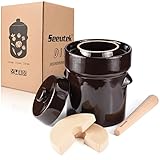
- 🥬 Seeutek fermentation crock is a traditional way of fermenting healthy kimchi sauerkraut food. A fermentation jar is a good way to create your own fermented vegetables, including pickles, kimchi and more. Rich in vitamins. Preserve fresh vegetables in season and enjoy the taste.
- 🥬 1.3 GALLON PICKLING CROCK WITH LID & WEIGHTS-suitable for retain any season’s vegetables – Retain fresh vegetables during that season can enjoy the taste all year round. Using fermented pot to keep your vegetables just a little salt water as fermented liquids. It can be retain for many years.
- 🥬 HIGH-GRADE ceramic natual material, fermenting crock surface and interior finished with a lead and cadmium-free glaze. food-safe coating ensure to pickles are delicious and rest assured to use.
- 🥬 EASY TO WASH AND CLEAN – The ceramic crock with smooth glazed fermenter surface and the jar mouth is reasonably designed. Hands can be directly inserted and washing with the washing liquid is convenient. Dry the crock fully and store it for your vegetables ferment
- 🥬 Water sealed jar’s cover is designed to allow the fermentation gas to escape, avoid oxidation and bad odor while maintaining air circulation. The weighting stones and pickle Tamper immerse your vegetables under salt water or fermented liquids. It will reach to a better fermentation result.

Last update on 2026-10-01 / Affiliate links / Images from Amazon Product Advertising API
Classic Garlic Dill
Pack whole garlic cloves and dill sprigs in with carrot sticks. A lot of people find that garlic ferments taste a little sweeter once the acid develops.
Flavor Customizations add 6-10 peppercorns or 1 teaspoon of mustard seeds per 1-liter jar for depth. Plus, add a bay leaf to round out bitterness.
If you like a mellow profile, add one to two cloves. For punch, make it four to six. Omit the garlic for a pure salty-sweet carrot stick, fantastic alongside plain grains. Coriander seed imparts bright citrus notes without heat.
Try this mix next to roasted meats, drizzled over green salads, or tucked into sandwiches for crunch. One-week ferments taste fresh. Longer runs yield more lactic tang and softer aromatics.
Spicy Ginger Turmeric
Slice 10 to 15 grams of fresh ginger and 10 to 15 grams of turmeric root per liter. The curcumin imparts a brilliant gold color and earthy warmth. Add a layer of chili slices or half a teaspoon of red pepper flakes if you desire more heat. Coriander seeds complement ginger’s citrus zing.
Shred carrots for quick-ferment slaw crunch. It absorbs brine more quickly, so begin tasting on day 3. This mix is great in wraps with hummus or grilled tofu and on grain bowls.
Pop of color on a pickle plate. If it overheats, mince and mix into yogurt or tahini to temper the scorch.
Sweet Cinnamon Clove
Drop a cinnamon stick and 2-3 whole cloves into the jar for a warm, subtle sweet nose. Cloves are powerful, so don’t go crazy. Pair with a handful of apple slices or a spoon of raisins for subtle fruity undertones that come across as kid-friendly but balanced.
Others add a light drizzle of raw honey right before brining. It can accelerate action, so maintain a brine concentration of 3.5% or higher for safety. Black peppercorns give it lift without making it savory.
Drizzle on oatmeal, yogurt bowls, or pancakes. If it is too dessert, add bay leaf to the next batch for structure.
Troubleshooting Your Ferment
Most carrot ferments go fine when salt is spot-on, tools are clean, and carrots remain submerged under brine with 2 to 5 centimeters of headspace.
Use non-iodized salt, maintain 1 to 2 inches of headspace, and watch for your 7 to 14-day window shifting with temperature.
Foaming is not a problem. Mold or a rotten smell is.
Cloudy brine is often normal. Check the smell and texture. Throw away scum or skim sediment only if mold or putrid notes arise.
White film: likely kahm yeast. Skim, re-submerge, increase salt to target. Place weights.
Unpleasant odor: trust your nose. Sharp-sour is okay, but rotten or vomit-like is not. Toss if slimy or moldy.
Too salty may be iodized salt use. Switch to pure sea or pickling salt and water down with plain brine.
Not sour after 2 weeks: check temperature, salt percentage, and submersion. Reseed with a spoon of active brine.
Slimy carrots are a sign of spoilage. Discard, sanitize, and reset the process.
Brine coverage: keep all veg below brine. Sprinkle a little oil on top as a vapor barrier if necessary.
Cloudy Brine
| Observation | Likely Cause | Normal? | Action |
|---|---|---|---|
| Hazy brine with fine sediment | Lactic activity, mineral salt | Yes | Leave it; taste on day 7–10 |
| Tiny bubbles/foam | CO2 from active ferment | Yes | Vent briefly if capped; harmless |
| Cloudy plus clean sour smell | Robust fermentation | Yes | Continue; keep carrots submerged |
| Cloudy plus slimy feel | Unwanted bacteria | No | Discard; review hygiene and salt |
| Cloudy with mold spots | Mold growth | No | Discard batch and sanitize |
Scent counts. Sour, fresh, a little garlicky is good. A rotten-egg smell, vomit, or sewage indicates spoilage.
If sediment develops, swirl the surface softly or create a vortex. Don’t shake the jar.
You should chuck only when you see mold or receive a rancid, putrid smell.
White Film
That thin, matte, chalky film is typically kahm yeast. It is not dangerous, but it can dull the flavor and impart a faint bitterness.
Skim with a clean spoon, wipe the jar shoulder, and continue. Push all carrots back under brine and add a clean glass weight.
Increase salt to the recommended range if you went light, and avoid iodized salt. To avoid a rebound, stay clean, headspace, and oxygen-starve.
Troubleshooting Your Ferment: It turns out that a thin layer of neutral oil acts as a vapor barrier for wide-mouth jars!
Unpleasant Odor
| Odor Profile | Interpretation | Keep or Discard |
|---|---|---|
| Clean, sour, earthy | Normal lactic acid | Keep |
| Tangy with light garlic | Normal aromatics | Keep |
| Rotten egg, vomit, sewage | Protein spoilage/sulfur | Discard |
| Nail polish/solvent | Yeast stress/oxidation | Usually discard |
If it is pungent and foul-smelling, or if you have mold, throw it out. If carrots feel slimy, you have a bad batch.
Fix upstream factors: keep everything under brine, use an airlock or a tight lid and burp daily, and sanitize jars and tools well before starting anew.
If it is not tangy after 14 days, examine the temperature, verify submersion, and reseed with active brine. Time varies by climate.
Our Conclusion
Fermenting carrots remains easy, quick, and low-danger. Salt, sterile equipment, and time do the work. A 2% brine preserves the crunch. Carrots remain vibrant and crisp. Lacto-bugs create that tart punch. A low mess when fermenting carrots.
To really seal in a habit, prepare one jar per week. Slice sticks 1 cm thick to allow the brine to flow evenly around. Place a glass weight on top to keep them submerged.
Make the surface yeast skim quickly. Taste on day 5, then again on day 7. Refrigerate the jar when the flavor is just right. Mark dates, and you can trace your sweet spot.
For something fresh, try ginger and lime zest. Or opt for garlic and dill. Need heat? Throw in a sliced chili.
Popped your jar? Drop us a line and see if we can help

- SUPER Fermentation Lid for Airlock: The improved threaded lids are sturdy, durable and rust free, they are airtight and leakproof when inserting the grommet, no need to transfer containers or lid after fermentation
- Perfect size for Small Batch Brewing: 1-gallon large capacity mason jars is great for batch homemade brewing of fruit wine, beer, mead, cider, lemonade, kombucha; Good storage container of food, vegetables, pickle eggs
- Wide Mouth Design: The storage jars 4.3’’ wide opening provide convenience for food taking in and out, and it’s wide enough to reach in for hand washing; Clear glass with scale mark, can clearly observe the process of food fermentation and whether it has deteriorated
- Safety Package and Full Accessories: The fermentation kit include 2 carboys (10.5’’ height and 6.2’’ width) with lids, 3 airlocks, 2 spare silicone gaskets, 2 spare grommets, 2 chalkboards, 1 pen and come with a safety package
- Reusable and Durable: Canning jars are made of durable thick glass, leak free and BPA free, reusable and easy to clean, dishwasher safe; also could be served as glass storage jars for flour, pasta, oats, coffee beans, sugar, rice and other dry food
Last update on 2026-10-01 / Affiliate links / Images from Amazon Product Advertising API
Frequently Asked Questions
Are fermented carrots safe to eat?
Yep, when done right, you can create delicious fermented carrots. Take clean tools, fresh carrots, non-iodized salt, and the right brine. Make sure to submerge everything with an airlock or a lid. Fermented carrots are acidic, which helps keep out the bad bacteria, making them a nutritious addition to your diet.
How long do fermented carrots take to be ready?
Most batches of fermented carrots are ready in five to ten days at room temperature (18 to 22 degrees Celsius). Taste every day after day four to enjoy the delicious flavor. Warmer rooms ferment more quickly, while cool rooms take longer. Transfer to the refrigerator once they develop a tangy taste and a nice crispiness.
What type of salt should I use?
Opt for non-iodized salt, such as sea salt or pickling salt, to ensure successful fermentation of your veggies. Iodine and anti-caking agents can disrupt the fermentation process, especially when preparing a delicious fermented carrot recipe with a brine of 2 to 3 percent salt by weight.
Do I need special equipment to ferment carrots?
No. All you need is a clean jar, weight, and lid. An airlock or fermentation lid will release gas and minimize risk. Weigh down rinsed carrots under carrot brine. A bare-bones setup works great for food newbies!
Why are my fermented carrots soft or mushy?
Soft carrots usually indicate that they were too warm, cooked too long, or not enough salt was used. Grab some fresh, firm carrots for your fermented carrot recipe. Stay with a 2–3% brine to ensure delicious flavor and maintain temperatures in the 18–22°C range.
Can I add flavors like garlic or spices?
Yes. Popular add-ins for your fermented carrot recipe include garlic, dill, ginger, cumin, chili, and mustard seeds. Add them at the start so flavors infuse as the carrots ferment for a delicious addition.
How do I know if my ferment went bad?
Warning signs of spoiled fermented vegetables include fuzzy mold, pink or black growth, slimy texture, or a rotten smell. A normal ferment, such as fermented ginger carrots, should smell tangy and a little sour, with bubbles present.


